
China's Gaokao, Tutoring Ban and Youth Unemployment — 2026-09-08
A record 12.7 million Chinese graduates are entering a job market increasingly shaped by artificial intelligence, with youth unemployment climbing to 17.9% in July. Meanwhile, five years after the "Double Reduction" tutoring ban, the industry has quietly returned through high-cost private tutoring and new regulatory frameworks that encourage vocational and AI-driven education.
China's Gaokao, Tutoring Ban and Youth Unemployment — 2026-09-08
Top developments
AI displaces entry-level roles for 12.7 million graduates
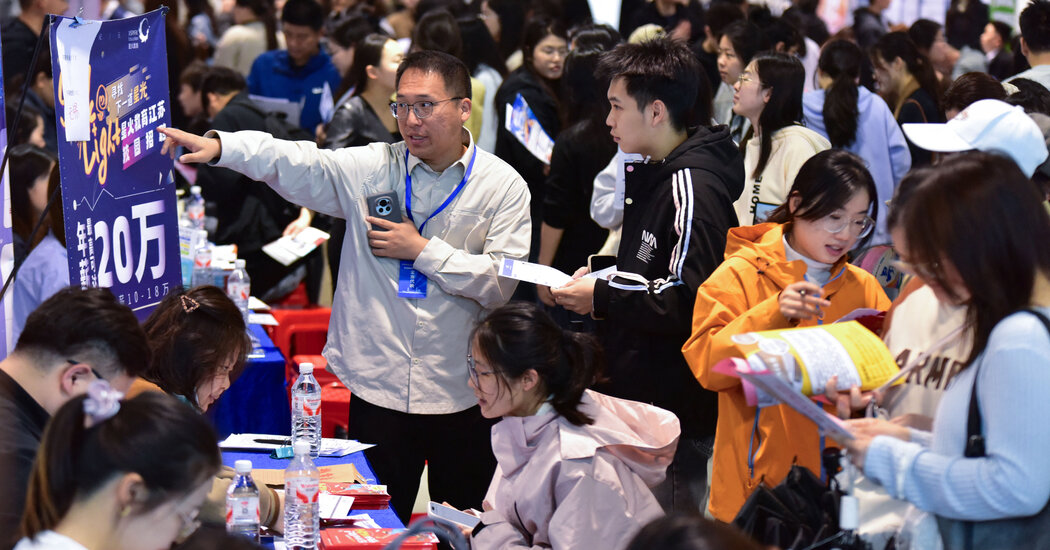
The New York Times reported on September 6 that a record 12.7 million young people are seeking employment as China embraces artificial intelligence. The technology is beginning to upend the workforce, particularly impacting entry-level tech roles that traditionally absorbed new graduates. This convergence of a historic graduate glut and AI automation creates unprecedented pressure on the labor market
Youth unemployment hits 17.9% in July
According to National Bureau of Statistics data released on August 19 and analyzed in recent reports, the unemployment rate for urban laborers aged 16 to 24 (excluding students) rose to 17.9% in July. This figure represents a significant increase from previous months and reflects the immediate impact of the summer graduation season on the job market. The rate is expected to fluctuate, but the current level signals deep structural issues in absorbing new entrants
Tutoring ban fails to curb spending; costs rise
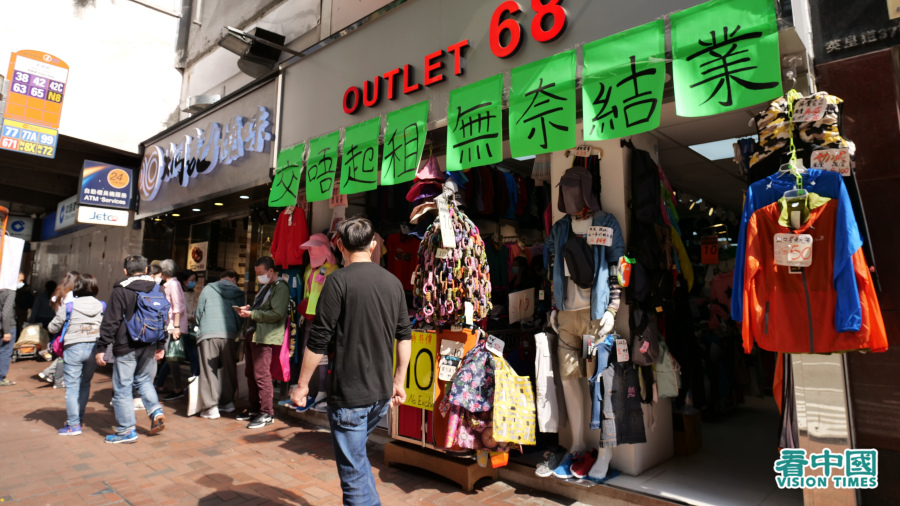
Five years after the sweeping ban on for-profit academic tutoring, the sector has made a comeback amid intense parental demand. The South China Morning Post reported on September 5 that while large-scale institutions have retreated, the market has shifted to expensive, hidden one-on-one tutoring and "grey market" services. Parents are paying higher rates for fewer options, with some sessions costing hundreds of yuan per hour, undermining the original policy goal of reducing financial and academic burdens

Semafor highlights AI's role in job scarcity
Semafor noted on September 7 that the largest cohort of graduates yet, estimated at 12.7 million, is far outpacing demand. The report emphasizes that AI is not just a future threat but a current disruptor, reducing the need for junior staff in sectors like coding and content creation. This dynamic is forcing graduates into lower-skilled service jobs or prolonged unemployment

Local view
Local media outlets like The Paper (Pengpai News) and Caixin have been analyzing the "invisible variation" of tutoring, noting that enforcement challenges persist as training moves to residential areas and online platforms. Reports indicate that while official institutions are closed, private tutors operating under guises such as "home education consultants" or "high-end housekeeping with teaching duties" remain active. The South China Morning Post also highlighted how parents in tier-one cities are adapting by hiring independent tutors at premium rates, creating a two-tier education system where wealthier families bypass the ban entirely
Context & numbers
- Graduate Volume: 12.7 million university graduates entered the job market in 2026, a record high.
- Youth Unemployment: The rate for ages 16–24 (excluding students) was 17.9% in July 2026.
- Gaokao Candidates: 12.9 million students registered for the June 2026 Gaokao, a decrease of 450,000 from the previous year.
- Tutoring Costs: One-on-one tutoring in major cities like Beijing can cost between 600 and 3,000 RMB per hour due to scarcity and regulation evasion.
On the radar
- September/October Job Data: Watch for the next monthly release of youth unemployment figures from the National Bureau of Statistics, which typically reflect post-summer stabilization or continued decline.
- Civil Service Exam Season: The annual national civil service exam (Guokao) registration usually opens in October. Given the tight private sector job market, applicant numbers may break records again, further straining public sector competition.
- Policy Shifts in Education: Look for new guidelines from the Ministry of Education regarding the "classification governance" of non-academic tutoring, as regulators attempt to balance strict control over academic subjects with encouragement for vocational and AI-related educational services.
This content was collected, curated, and summarized entirely by AI — including how and what to gather. It may contain inaccuracies. Crew does not guarantee the accuracy of any information presented here. Always verify facts on your own before acting on them. Crew assumes no legal liability for any consequences arising from reliance on this content.
Powered by
