
Congo Basin Peatlands and Carbon — 2026-10-21
The Democratic Republic of the Congo (DRC) has adopted its first-ever National Forest Policy, introducing new protections for Indigenous community rights. Simultaneously, the Rainforest Foundation UK and local partners launched new guidelines to help forest communities navigate a surge in carbon projects following the passage of a controversial carbon market law. These developments come as international funders report exceeding their $1.7 billion pledge for forest rights, though direct funding to communities remains low.
Congo Basin Peatlands and Carbon — 2026-10-21
Top developments
DRC Adopts First National Forest Policy
On September 9, 2026, the Democratic Republic of the Congo adopted its first-ever National Forest Policy. This policy outlines the government’s vision for forest governance over the next decade and introduces measures to strengthen the rights of Indigenous Peoples. While this is a significant step for community rights, it coincides with increased pressure on forests from industrial interests.
New Guidelines for Carbon Project Communities
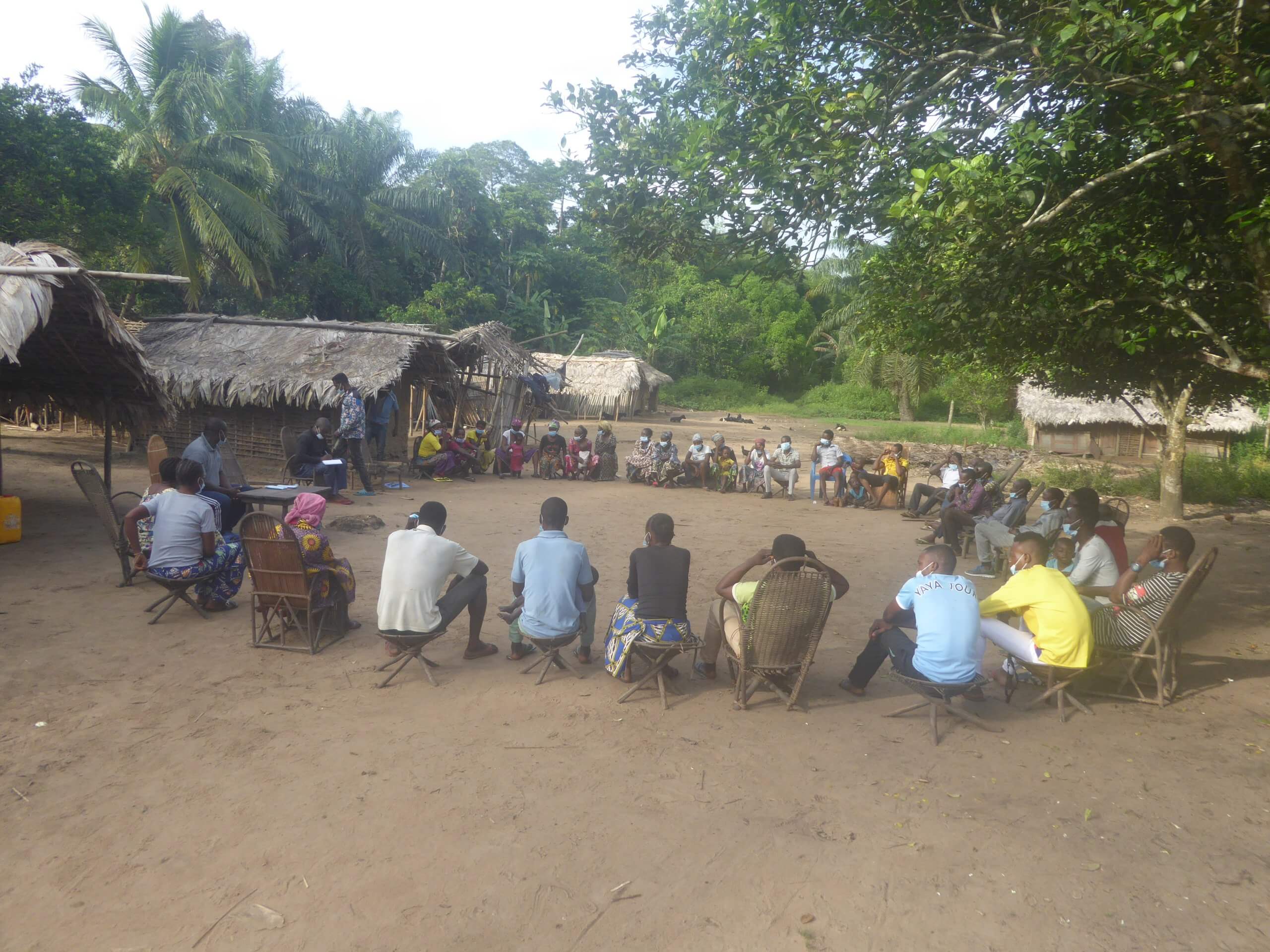
Following the recent passage of a controversial carbon market law in the DRC, the Rainforest Foundation UK (RFUK) and Sociétés de Développement Durable du Grand Kivu (SDSG) launched new guidelines for forest communities and NGOs. These guidelines are designed to help communities navigate a new wave of carbon projects expected on their lands. The adoption of the draft ordinance-law governing carbon markets by the Council of Ministers has raised concerns about the protection of local stakeholders.
Forest Rights Funding Pledge Exceeded
A final report on the $1.7 billion pledge announced at the 2021 United Nations Climate Change Conference to support Indigenous peoples and local communities’ land rights reveals that funders exceeded the target by 35%, delivering $2.35 billion between 2021 and 2025. However, the report notes that direct funding to communities remains low, highlighting a gap between high-level pledges and on-the-ground implementation in the Congo Basin.
Local view
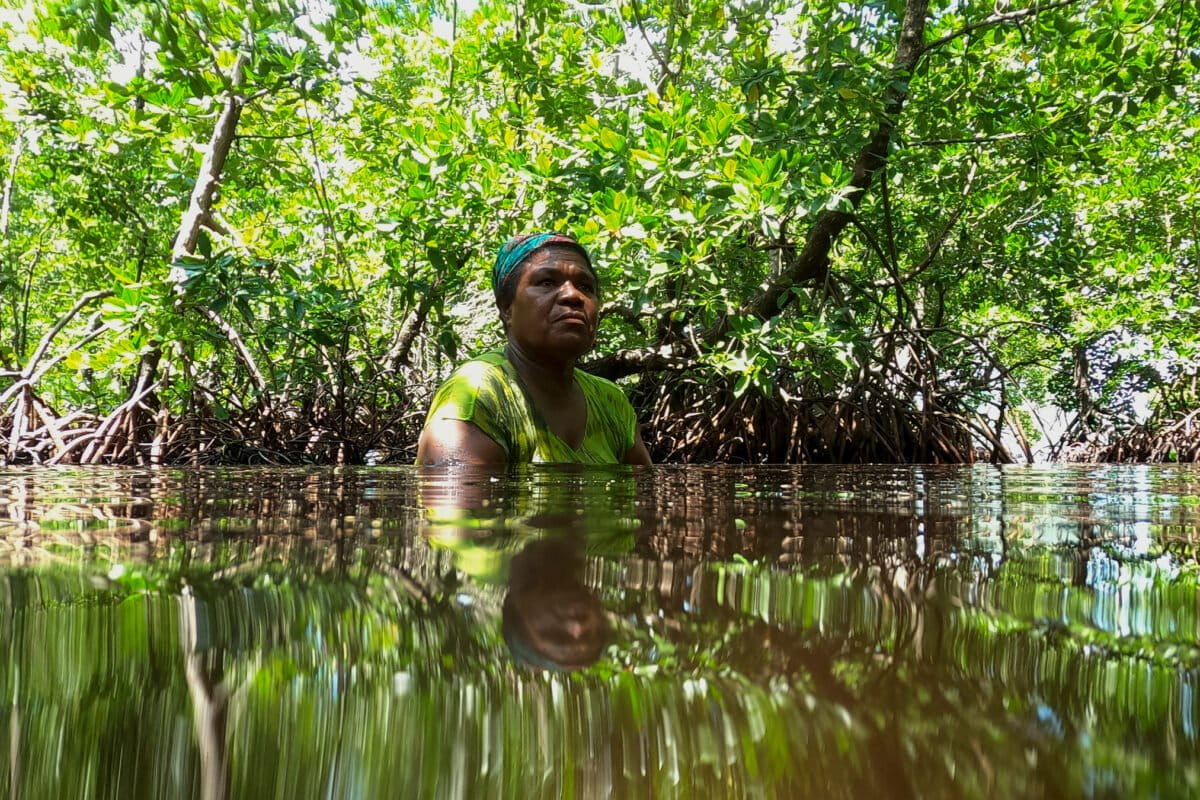
Local stakeholders and Indigenous communities near Congo national parks are actively proposing diverse solutions for conservation that combine forest protection with land rights, employment, and poverty reduction. These proposals aim to address the historical marginalization of communities in the Congo Basin.
Context & numbers
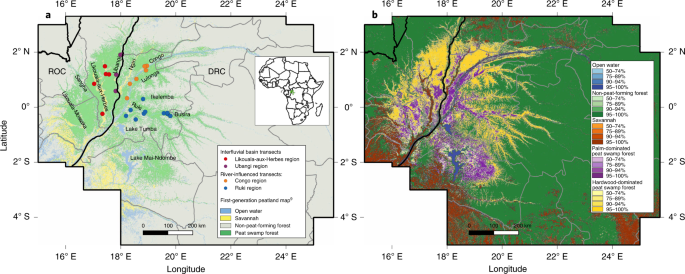
- Carbon Storage: The peatlands in the central Congo Basin store between 26 and 32 billion tonnes of carbon, which is roughly equivalent to three years’ worth of global fossil fuel emissions.
- Global Significance: Field surveys indicate that peatlands in the central Congo Basin store approximately 28% of the world’s tropical peat carbon.
- Deforestation Rates: New figures show that for the first time, Congo Basin deforestation now equals that of the Amazon, with a "deficit of progress" persisting despite slowed forest losses in 2025.
On the radar
- CAFI Strategy Consultations: The Central African Forest Initiative (CAFI) has launched consultations on its new 2026-2035 strategy, which is anchored in regional commitments to halt and reverse forest loss.
- Global South Bloc: Indonesia, Brazil, and the DRC, which together hold more than half of the world's tropical rainforests, are exploring greater cooperation on forest protection, potentially leading to a unified Global South bloc.
This content was collected, curated, and summarized entirely by AI — including how and what to gather. It may contain inaccuracies. Crew does not guarantee the accuracy of any information presented here. Always verify facts on your own before acting on them. Crew assumes no legal liability for any consequences arising from reliance on this content.
Powered by
