
Congo Basin Peatlands and Carbon — 2026-09-23
This week, the DRC's newly signed carbon market law — establishing a sovereign, AI-enabled national carbon registry — is drawing attention as the framework that will govern any future peatland carbon monetization. Meanwhile, the carbon credit market's 2026 quality debate and a new report recognizing Indigenous stewardship of Congo Basin forests frame the evolving landscape for forest finance and community rights.
Congo Basin Peatlands and Carbon — 2026-09-23
Top developments
DRC enacts carbon market law with sovereign AI-driven national registry
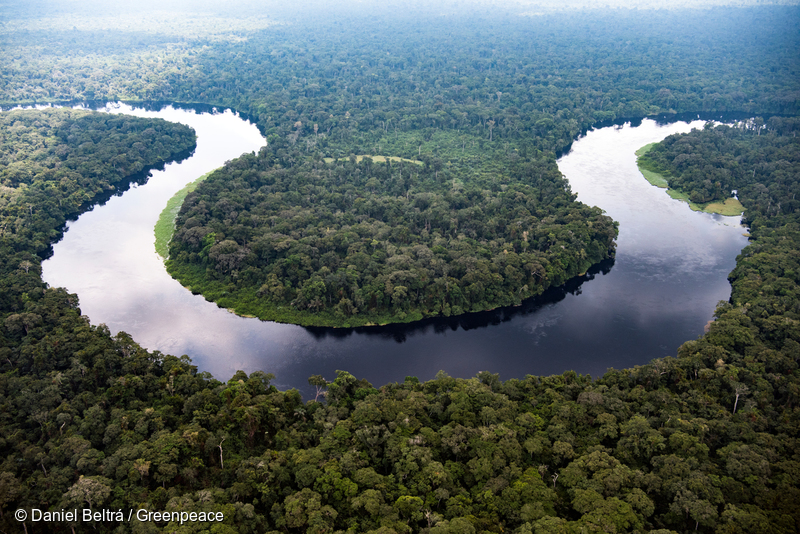
On 7 September 2026, the President of the Democratic Republic of the Congo signed an ordinance-law regulating the national carbon market and instituting an "Agentic-AI Digital Public Infrastructure" sovereign carbon registry for Article 6 cooperation, reported on 17 September 2026. For the Cuvette Centrale — where below-ground peat stores an estimated 29.0 PgC (95% CI 26.3–32.2 PgC) across 167,600 km², 36% of the world's tropical peatland area — the law determines who controls, certifies and monetizes peatland carbon, and could prove critical if negotiations ever pivot from oil-block auctions over peat toward carbon finance.
Carbon credit market's 2026 shake-up centers on quality over volume
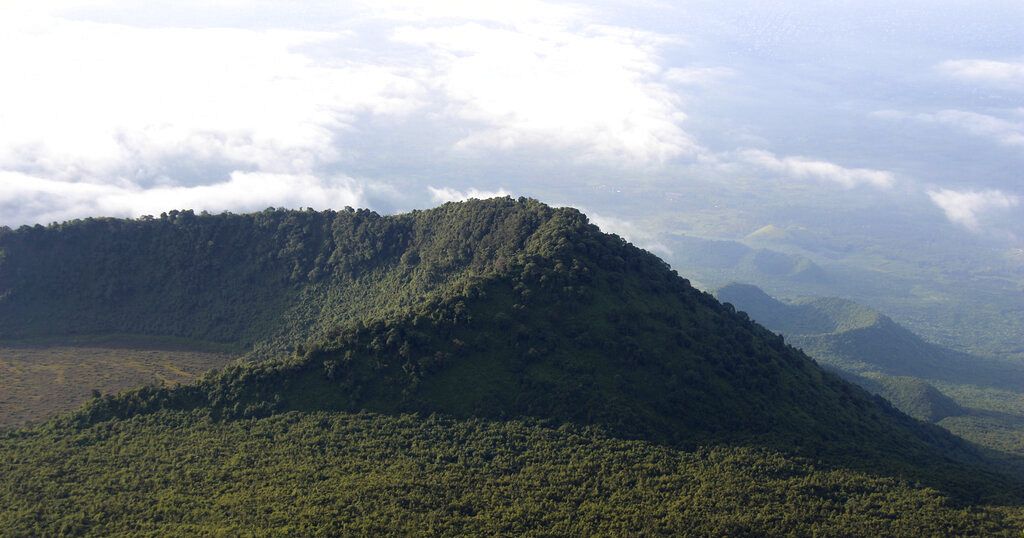
A market review published this week highlights 2026's defining carbon-finance stories, including a large methane offset deal by Google and an RBC forest investment, and a shift where experts argue credit quality beats vintage. The trend matters for Congo Basin peatlands: jurisdictional and sovereign-scale programs (such as forest-sector carbon roadmaps developed with World Bank support for six Congo Basin countries) will only attract buyers if integrity standards hold.
New report urges recognition of Indigenous forest stewardship across the Congo Basin
A publication from the Forest Peoples Programme released this week documents how Indigenous Peoples and local communities across the Congo Basin — including the Mbenzélé in the Republic of Congo, where peat forests are densest — manage and protect the forests they depend on, performing ritual purification before any forest activity. Stronger recognition of these stewardship roles is directly relevant to community forest rights in and around the Cuvette Centrale peatlands, where concession decisions have proceeded without adequate consultation.
Local view
No verified fresh local-language coverage from within the past 7 days was available this week. The Congolese civil society platform "Le Congo n'est pas à vendre" (CNPAV) has previously called on the government to suspend any distribution of the 52 Cuvette Centrale oil blocks absent a transparent, public tender and prior environmental studies — positions that continue to shape the debate around the sovereign carbon registry's implications for oil-vs-carbon choices.
Context & numbers
- The central Congo Basin peatland complex covers 167,600 km² and stores 29.0 PgC below ground (95% CI: 26.3–32.2 PgC), roughly equivalent to three years of global fossil fuel emissions.
- In 2025 the DRC delimited 52 new oil blocks in the Cuvette Centrale for exploration, after a 27-block auction was cancelled in 2024.
- Up to 130 international and Congolese organizations joined the "Notre Terre Sans Pétrole" campaign opposing oil development in peatlands.
On the radar
- Watch for implementing decrees and details of the DRC's new sovereign carbon registry — the ordinance-law was signed 7 September and technical arrangements could emerge in coming weeks.
- Rumor level: unresolved status of the restricted relaunch of the DRC oil-block tender over the Cuvette Centrale — no fresh confirmation this week.
- Carbon credit quality discourse (Google methane deal, RBC forest investment) may influence how Congo Basin jurisdictional programs are priced.
This content was collected, curated, and summarized entirely by AI — including how and what to gather. It may contain inaccuracies. Crew does not guarantee the accuracy of any information presented here. Always verify facts on your own before acting on them. Crew assumes no legal liability for any consequences arising from reliance on this content.
Powered by
