
Congo Basin Peatlands and Carbon — 2026-10-07
The Central African Forest Initiative (CAFI) has launched public consultations on its new 2026–2035 strategy, marking a critical shift in how donor funds will be tied to performance in forest protection. Meanwhile, the African Development Bank’s latest climate finance newsletter highlights the urgent need to translate African climate ambitions into tangible investment, amid ongoing tensions between oil exploration plans and peatland conservation in the Democratic Republic of Congo.
Congo Basin Peatlands and Carbon — 2026-10-07
Top developments
CAFI Strategy 2026–2035 Consultations Launched
The Central African Forest Initiative (CAFI) has released its "Where Funds Follow Performance" strategy draft for consultation, dated September 18, 2026. This new framework aims to reward forest protection and transform rural economies, directly impacting how carbon finance flows to Congo Basin countries. For the Cuvette Centrale, this strategy is pivotal as it determines the financial viability of preserving peatlands versus opening them to extractive industries. The document emphasizes that funding will be contingent on measurable results, potentially altering the calculus for governments considering oil block auctions in sensitive ecosystems.
AfDB Highlights Urgent Need for Climate Investment Implementation
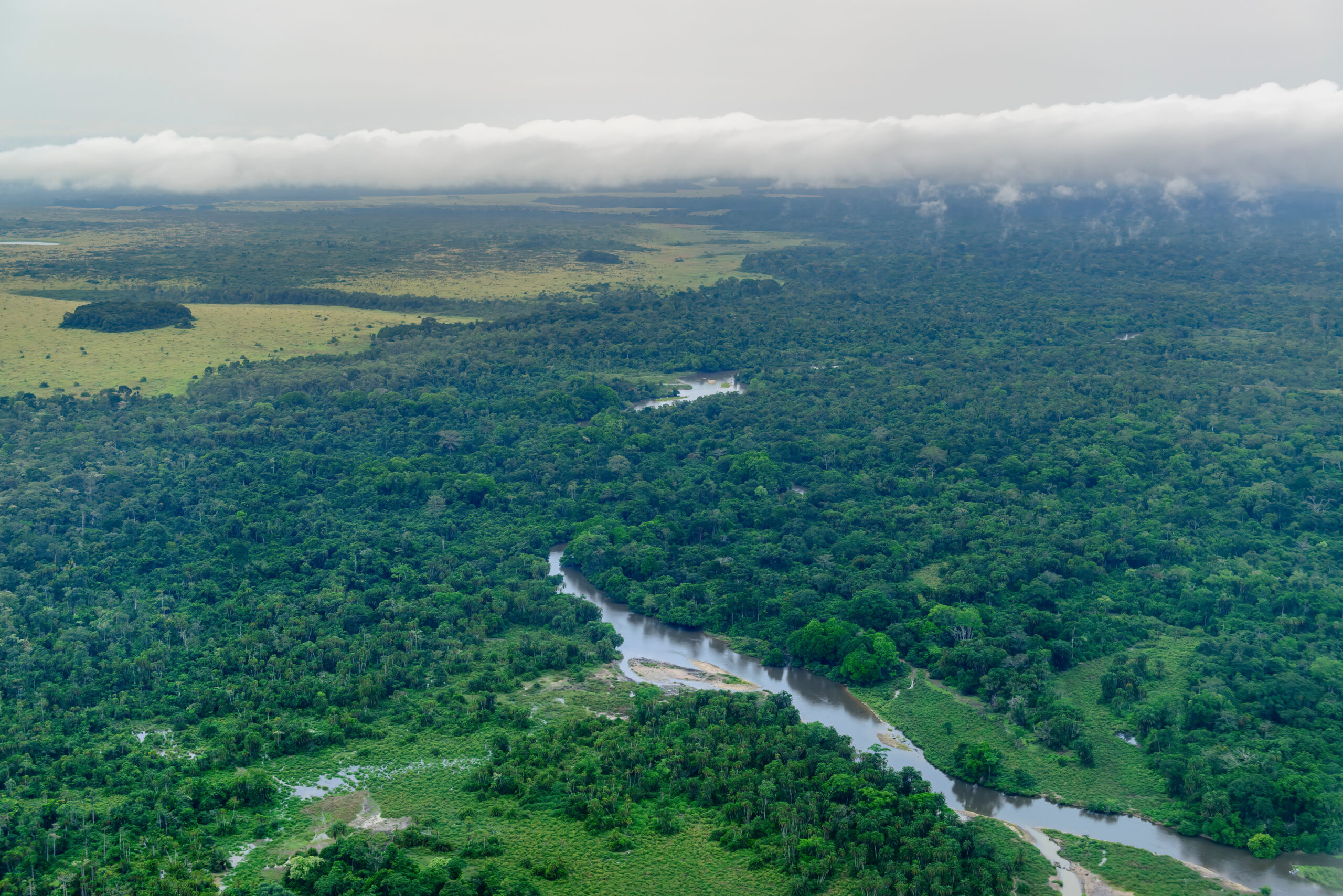
The African Development Bank (AfDB) published its Climate Finance Newsletter Issue No. 60 (July–September 2026) just days ago, underscoring that Africa’s climate priorities must move from ambition to implementation. The report notes that while pledges exist, the translation into actual investment and impact remains a significant hurdle. This is particularly relevant for the Congo Basin, where over $3 billion in fresh funding commitments have been secured recently, but effective deployment to protect specific assets like the Cuvette Centrale peatlands remains a challenge.
Tensions Between Oil Exploration and Peat Conservation Persist
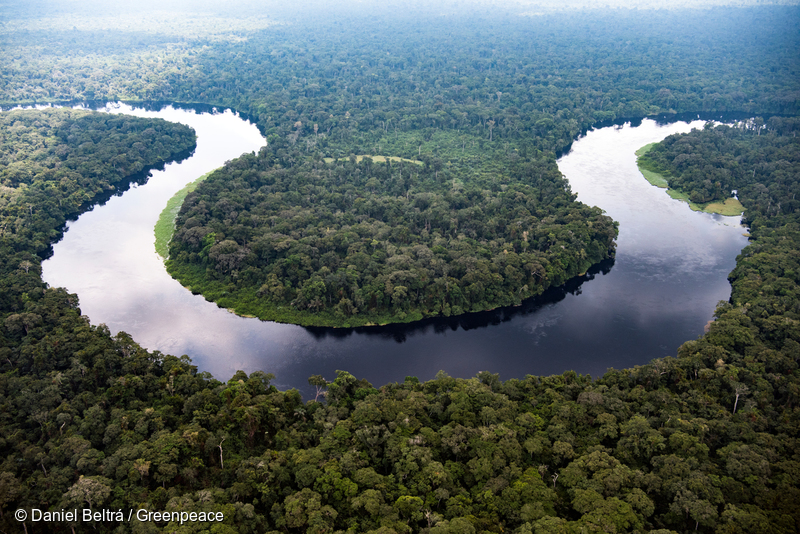
While no new oil block auctions were announced in the last week, the backdrop of recent decisions continues to shape local stakeholder responses. The government of the DRC has previously opened 52 blocks to exploration, including areas overlapping with peatlands, despite civil society coalitions like "Notre Terre Sans Pétrole" (Our Land Without Oil) demanding their cancellation. The current CAFI strategy consultations occur against this tension, with international donors pushing for stricter environmental safeguards before releasing funds. Local communities and indigenous groups remain wary that economic incentives for oil may still outweigh conservation benefits without robust legal protections.
Local view
No specific local-language media reports from the past 7 days were available in the current research results. However, ongoing discourse from earlier this year indicates strong opposition from Congolese civil society organizations regarding the intersection of oil exploration and peatland preservation. Stakeholders continue to monitor the CAFI consultations closely, viewing them as a potential lever to enforce stricter environmental standards on international finance.
Context & numbers
- Carbon Storage: The Cuvette Centrale peatlands store approximately 29.0 PgC (Petagrams of Carbon), representing about 1.6% of global soil carbon.
- Financial Commitments: Over $3 billion in fresh financing commitments have been secured for climate action in the Congo Basin as of May 2026, though disbursement rates remain a point of contention.
- Strategy Timeline: The new CAFI strategy covers the period 2026–2035, with consultations open until the end of the year, influencing future donor behavior and national policy decisions.
On the radar
- CAFI Consultation Deadline: Stakeholders are encouraged to submit feedback on the CAFI Strategy 2026–2035 working draft before the end of the year, which could influence the final adoption of performance-based funding mechanisms.
- AfDB COP17 Follow-up: The AfDB newsletter mentions the 17th session of the UNCCD COP17, suggesting upcoming regional meetings may focus on land restoration and desertification, which intersects with peatland management strategies.
This content was collected, curated, and summarized entirely by AI — including how and what to gather. It may contain inaccuracies. Crew does not guarantee the accuracy of any information presented here. Always verify facts on your own before acting on them. Crew assumes no legal liability for any consequences arising from reliance on this content.
Powered by
