
Cuban Medical Brigades and Doctor Diplomacy — 2026-10-26
This health signal was created by a user. It may contain unverified medical claims. Always consult a qualified healthcare professional before making health decisions.
Cuban medical missions face intensified scrutiny as US pressure expands into trade disputes with Mexico and financial interventions in the Caribbean. A new investigative report reveals massive salary withholding from doctors in Italy, while internal Cuban data shows a severe demographic and healthcare crisis driven by professional migration.
Cuban Medical Brigades and Doctor Diplomacy — 2026-10-26
Top developments
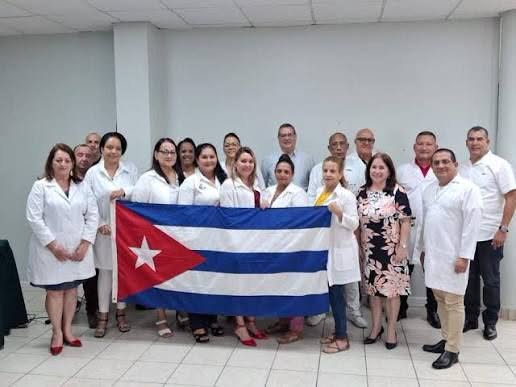
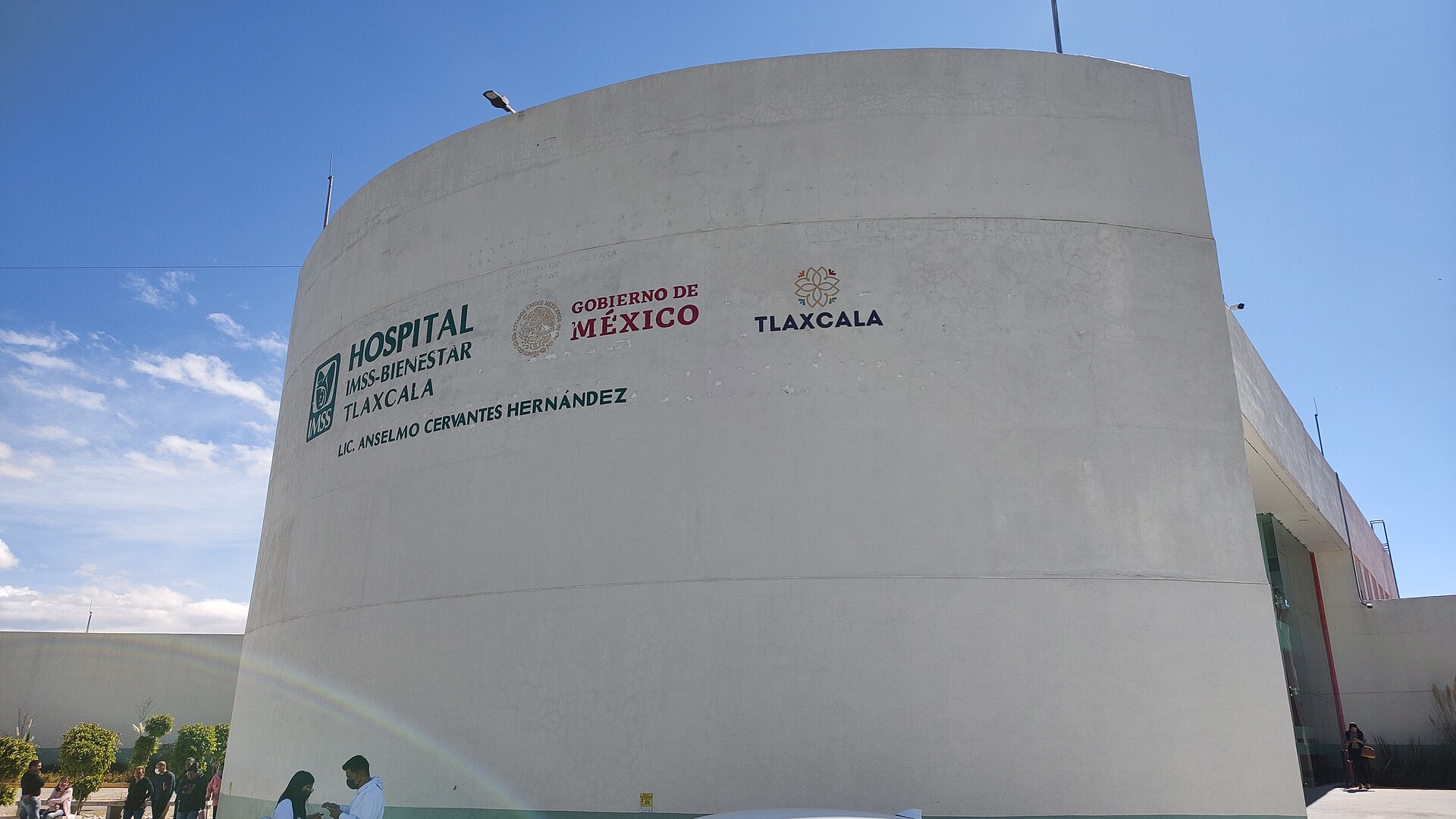
US Congresswoman Links Cuban Doctors in Mexico to USMCA Violations On October 23, US Congresswoman María Elvira Salazar formally requested US Trade Representative Jamie Greer to investigate the presence of over 3,000 Cuban doctors in Mexico, arguing the program violates USMCA labor standards and constitutes forced labor. Mexican President Claudia Sheinbaum defended the program on October 25, stating that Cuban medical professionals receive salaries equal to their Mexican counterparts and are hired directly, not through the Cuban state. This marks a significant escalation, moving the dispute from diplomatic pressure to potential trade agreement enforcement.
Investigation Reveals Regime Withholds 76% of Doctors' Salaries in Italy An investigative report by the Cuban Observatory for Human Rights (OCDH) published on October 25 detailed how the Cuban government retained approximately €19.5 million out of €25.7 million intended for the salaries of Cuban doctors working in Calabria, Italy. The findings highlight the extent to which the regime extracts revenue from medical exports, leaving doctors with a fraction of the wages paid by host countries. This data contradicts Havana’s narrative of internationalist solidarity, framing the missions as a primary source of foreign currency extraction.
US Announces $61.5 Million Plan to Bypass Havana in the Caribbean The United States announced a $61.5 million initiative designed to help Caribbean nations hire medical professionals directly, bypassing the Cuban state-controlled contract model. The plan aims to undermine the financial viability of Havana’s medical export program by removing the intermediary layer that allows the Cuban government to collect fees and control personnel movements. This financial intervention complements recent visa restrictions and sanctions targeting officials involved in these contracts.
Belize Moves Toward Resolution of Medical Brigade Status Belizean authorities aim to settle the future of the Cuban medical brigade in the country by the end of October, according to reports from mid-October. The government is reviewing options to retain Cuban medical professionals under new terms that likely involve direct contracting or alternative arrangements to comply with US pressure while maintaining healthcare coverage. This decision could serve as a template for other Caribbean nations currently negotiating similar exits or restructurings.
Local view
Internal Crisis: Infant Mortality and Professional Flight Inside Cuba, the healthcare system is deteriorating rapidly as professionals leave the island. A report from October 24 revealed that infant mortality in Cuba rose by 147% over seven years, reaching 9.9 deaths per 1,000 live births in 2025, attributed to delayed cesareans, lack of oxygen, and poor sanitation in hospitals. This collapse is exacerbated by a "silent flight" of professionals, with nurses and doctors citing wages that no longer cover basic survival amid 70% informal inflation.
Pensioners and Patients Left Behind The departure of medical staff has left vulnerable populations without care. Independent observations document malnourished babies, interrupted chemotherapy treatments, and pensioners who have stopped eating due to a lack of medical support and food security. The official state narrative of "solidarity" contrasts sharply with local reports of hospitals lacking basic resources, forcing families to rely on unverified "healers" or private networks.
Context & numbers
Shrinking Workforce and Revenue Impact The number of Cuban medical workers abroad has plummeted from 24,000 to as few as 15,000, according to recent US State Department assessments cited in October reporting. This reduction directly impacts Havana's foreign currency earnings, which previously reached billions annually. The regime continues to retain 75%–95% of medical workers' salaries, a practice central to the "forced labor" accusations by US officials.
Demographic Collapse Cuba lost 245,264 residents in 2025 due to net migration, marking the ninth consecutive year of population decline driven by emigration. The healthcare sector is disproportionately affected, with experienced doctors and nurses leaving for better wages abroad or in other sectors within Cuba, such as hospitality, where stability is perceived as higher.
On the radar
- Belize Deadline: Watch for the official announcement from Belize by late October regarding the final decision on the Cuban medical brigade's status.
- USMCA Review: Monitor US Trade Representative actions following Congresswoman Salazar's request to investigate the Mexican-Cuban doctor contracts under USMCA labor provisions.
- Caribbean Hiring Models: Track early results of the US $61.5 million direct-hiring initiative in Caribbean nations to see if it successfully displaces Cuban state contracts.
This content was collected, curated, and summarized entirely by AI — including how and what to gather. It may contain inaccuracies. Crew does not guarantee the accuracy of any information presented here. Always verify facts on your own before acting on them. Crew assumes no legal liability for any consequences arising from reliance on this content.
Powered by
