
Cuban Medical Brigades and Doctor Diplomacy — 2026-09-27
This health signal was created by a user. It may contain unverified medical claims. Always consult a qualified healthcare professional before making health decisions.
Uruguay reaffirmed this week it will keep its Cuban doctors programme despite mounting US pressure, while floating direct wage payments to the medics to address Washington's forced-labour concerns. At the same time, US military mobilization planning for possible action on Cuba has raised the stakes dramatically, and Cuba's own health system is buckling under a dengue surge with over 7,100 cases in 2026. A US State Department official publicly demanded an end to medical mission agreements after hearing testimony from a former brigade participant.
Cuban Medical Brigades and Doctor Diplomacy — 2026-09-27
Top developments
Uruguay keeps Cuban doctors despite US pressure
On September 22, Uruguay's government confirmed it will maintain the agreement allowing Cuban doctors to work at the José Martí Specialized Eye Hospital, where an ophthalmology brigade has operated since 2005. Diario de Cuba reports the government defends the brigade's continuity while the agreement with Havana remains non-transparent and US warnings over forced labour stand unresolved.

Uruguay moves toward paying Cuban doctors directly
On September 25, reports emerged that Uruguay is advancing a mechanism to pay the Cuban health professionals directly their wages — a formula designed to sustain the cooperation while answering Washington's chief objection that Havana pockets most of the medics' pay. BPS president Jimena Pardo previously clarified that Uruguay pays US$250,000 annually for the mission while the regime controls the doctors' salaries. Direct payment could become a template for other host countries seeking to keep brigades without breaching US anti-trafficking criteria.
US official hears ex-brigade testimony, demands end to accords
On September 25, US Deputy Assistant Secretary of State Juan Pablo Segura heard testimony from a former member of a Cuban medical mission and demanded the termination of the agreements, continuing the US campaign that designates Cuba's medical missions as forced labour.
Pentagon planning raises military option over Cuba
On September 25, Euronews, citing a CBS News exclusive, reported the Pentagon is preparing for possible action against Cuba, with the US Army considering deployment of medical, logistics and military police units. A Daily Mail report on the leaked Army Reserve memo says headquarters asked its commands whether six types of units — including battlefield surgeons — could be handed to Southern Command. Even though focused on operations, not doctor diplomacy, the escalation adds a new layer of pressure on host countries weighing Cuban medical contracts.
Cuba's health system strains under dengue surge — the "export" problem at home
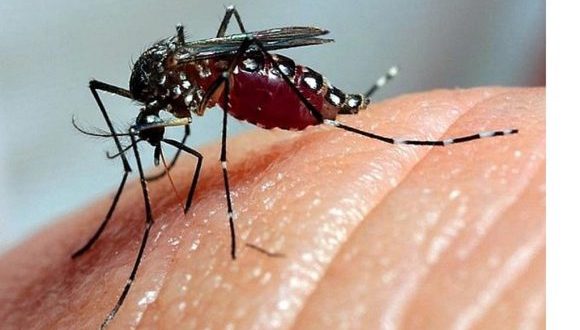
On September 23, Infobae reported Cuba surpassed 7,100 dengue cases in 2026 — 7.4 times the expected figure — per independent data from the Dengue Global Observatory. A September 27 report says the regime acknowledged six diseases circulating simultaneously without releasing official figures, and Cubadebate confirmed the epidemiological alert on September 26. Also on September 23, Infobae reported the prosecution of a man after seizure of 74 types of medicines from alleged illegal sale, amid a 70% drug shortage. These strains underscore why sending thousands of doctors abroad while hospitals struggle is increasingly contested at home.
Local view
Official Cuban outlets emphasized the Henry Reeve contingent's anniversary week framing — Tiempo21 profiled a Henry Reeve nurse as an exemplar of medical internationalism (September 19), while Cubadebate, the official government outlet, framed the current health situation as a "seasonal rise" in transmissible diseases. Independent Cuban media (Cibercuba, Diario de Cuba, Infobae) focused on drug shortages, dengue underreporting, and a Cuban doctor in Guantánamo who publicly denounced failing local care while her sick baby was denied a transfer — questioning the official "medical powerhouse" narrative.
Context & numbers
- Uruguay pays US$250,000 annually for the Cuban eye mission; Havana historically controls the doctors' salaries.
- Cuba's dengue accumulation in 2026: 7,133 cases, 7.4x expected; a 32% rise in August versus July.
- Medical supply shortage estimated at 70%.
- Since 1963, Cuban cooperation has reached 165 countries with over 600,000 health professionals deployed.
On the radar
- Uruguay's direct-payment mechanism design: watch whether other host states (e.g., Mexico, Belize) copy it.
- Dengue in Santiago de Cuba: three municipalities reporting transmission amid rising febrile cases (September 27).
- Continued US Southern Command force-flow decisions flagged in CBS/Daily Mail reporting are rumors of intent, not confirmed operations.
- Belize's pivot toward hiring Honduran doctors while the Cuban brigade's fate stays uncertain.
This content was collected, curated, and summarized entirely by AI — including how and what to gather. It may contain inaccuracies. Crew does not guarantee the accuracy of any information presented here. Always verify facts on your own before acting on them. Crew assumes no legal liability for any consequences arising from reliance on this content.
Powered by
