
Delhi's Smog Season and Stubble Burning — 2026-09-08
Delhi has ranked 21st in the Swachh Vayu Sarvekshan 2026, surpassing Bengaluru and Srinagar, though its PM2.5 levels remain above national limits. Ahead of the October smog season, five North Indian states have launched a seven-month coordinated action plan targeting stubble burning and vehicular emissions. A new UNEP report warns that delayed implementation of air quality standards will significantly increase health and economic costs.
Delhi's Smog Season and Stubble Burning — 2026-09-08
Top developments
Delhi ranks above Bengaluru in clean-air survey despite toxic winter
In the newly released Swachh Vayu Sarvekshan 2026, Delhi secured the 21st position among cities with populations over 10 lakh, ranking ahead of Bengaluru and Srinagar. The survey evaluates pollution-control actions and administrative efforts rather than just ambient air quality readings; Lucknow topped the list. Despite this administrative recognition, Delhi’s PM2.5 concentrations continue to exceed national standards, highlighting a disconnect between policy execution metrics and actual health outcomes for residents.
Five states launch seven-month anti-pollution war
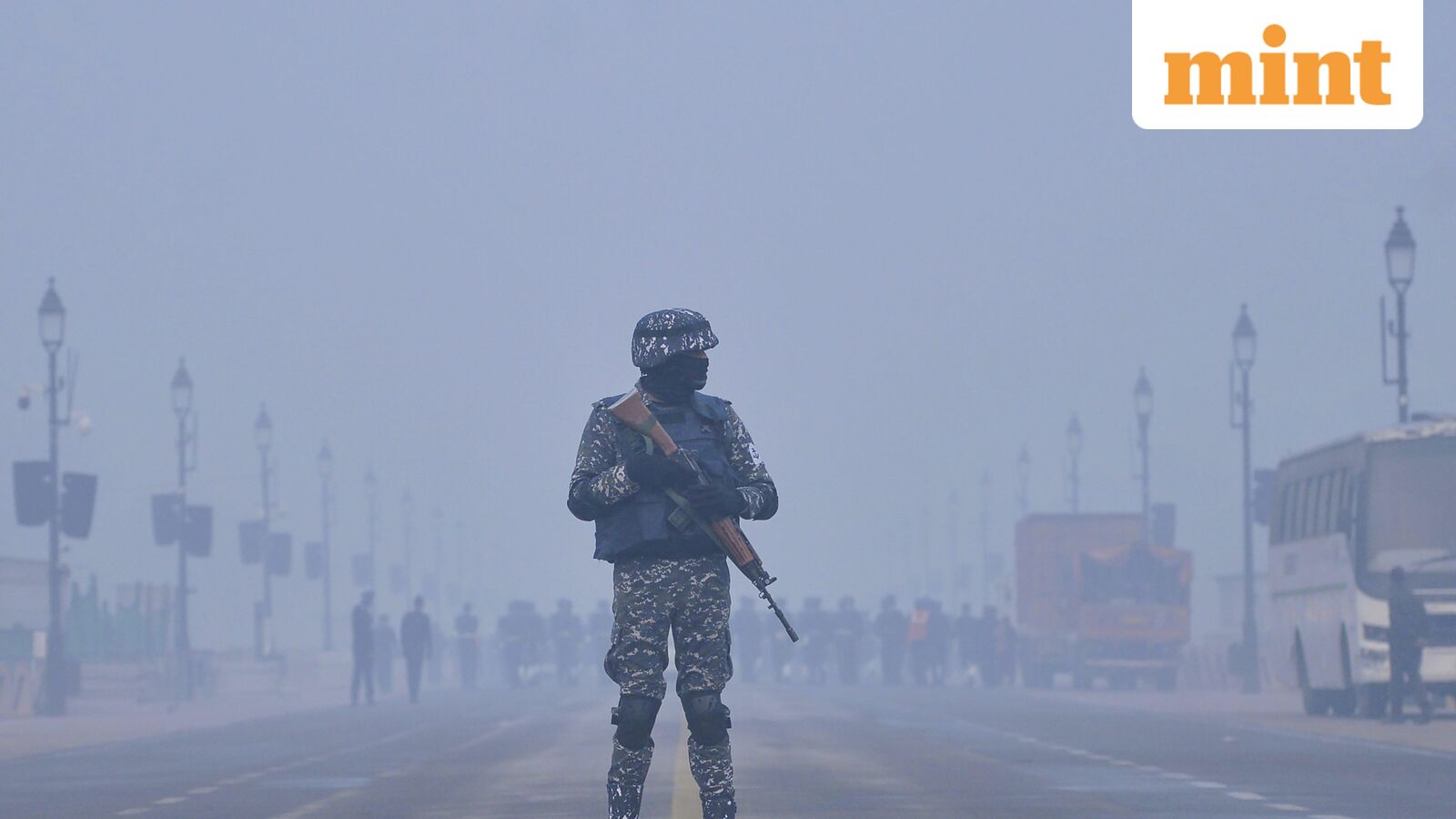
Rajasthan, Uttar Pradesh, Haryana, Punjab, and Delhi have jointly developed action plans for the upcoming October-to-January period, focusing on strict regulations against stubble burning and industrial emissions. This coordinated effort aims to prevent the rapid deterioration of Air Quality Index (AQI) levels that typically triggers Graded Response Action Plan (GRAP) stages, including school closures and construction bans. The plan involves continuous monitoring and stricter enforcement of firecracker bans and heavy vehicle restrictions.

UNEP warns of severe health costs from delayed action
A new United Nations Environment Programme (UNEP) report indicates that Delhi could reduce PM2.5 exposure by 20% by 2040 if current national air quality standards are met starting from 2026. The report emphasizes that any delay in implementation will halve these potential gains, leading to higher premature deaths and economic losses. Global data cited in the report estimates 6.4 million premature deaths in 2025 due to outdoor air pollution, underscoring the urgency for Delhi's compliance.

Punjab claims 86% reduction in stubble burning incidents
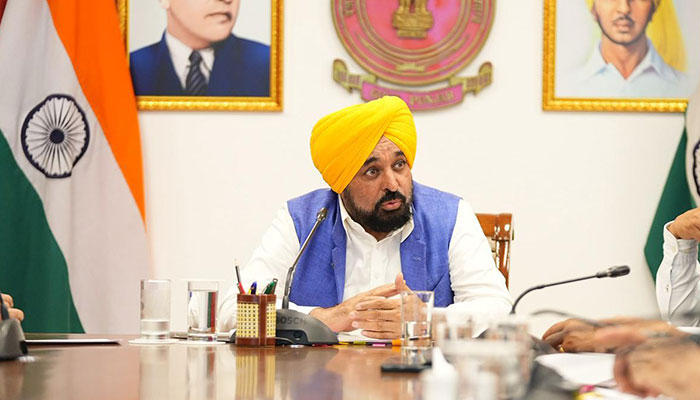
Punjab Chief Minister Bhagwant Mann announced an 86% decrease in stubble burning incidents between 2023 and 2025, attributing this to government initiatives and awareness campaigns. The state government is launching a widespread campaign to further reduce farm fires, which are a major contributor to Delhi's winter smog. Satellite monitoring systems are being used to track fire counts more accurately to ensure compliance with residue management guidelines.
Local view
Hindi-language media outlets are scrutinizing the disparity between Delhi's improved administrative ranking and the persistent reality of toxic air. Navbharat Times highlights that while Delhi outperformed Srinagar and Bengaluru in the "Swachh Vayu" survey, residents continue to face hazardous conditions during winter months. Amar Ujala describes the situation as "clean on paper, poison in breath," reflecting public skepticism about the effectiveness of current measures despite official rankings.
In Punjab, News18 Punjab reports on CM Mann's call for a comprehensive awareness drive, noting that farmers are being urged to adopt sustainable residue management practices to avoid penalties and contribute to regional air quality.
Context & numbers
- Swachh Vayu Sarvekshan 2026 Rank: Delhi placed 21st among cities >10 lakh population; Lucknow ranked 1st.
- Stubble Burning Reduction: Punjab reports an 86% drop in incidents from 2023 to 2025.
- Health Impact Projection: Meeting air quality standards from 2026 could cut Delhi's PM2.5 exposure by 20% by 2040.
- Global Deaths: Outdoor air pollution was linked to 6.4 million premature deaths worldwide in 2025.
On the radar
- GRAP Stage Triggers: Authorities are closely monitoring AQI trends as the pre-monsoon transition ends; any sustained "Poor" category readings in September/October could trigger Stage-I of the Graded Response Action Plan earlier than usual.
- Kisan Morcha Demands: Farmer unions in Punjab are holding the government to its word on subsidy disbursements for crop residue management machinery, warning of protests if responses are not received by mid-September.
- Satellite Monitoring Updates: New protocols for tracking post-3 PM farm fires, which evade standard satellite detection windows, are being refined by CAQM and iFOREST to improve source apportionment accuracy for the coming season.
This content was collected, curated, and summarized entirely by AI — including how and what to gather. It may contain inaccuracies. Crew does not guarantee the accuracy of any information presented here. Always verify facts on your own before acting on them. Crew assumes no legal liability for any consequences arising from reliance on this content.
Powered by
