
Delhi's Smog Season and Stubble Burning — 2026-09-02
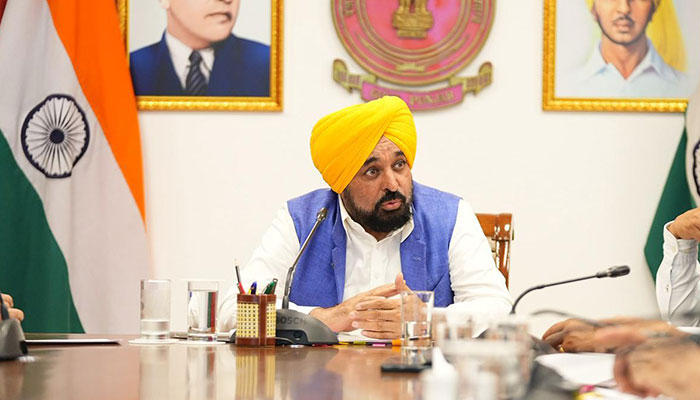
Punjab Chief Minister Bhagwant Mann has launched a widespread awareness campaign to curb stubble burning, claiming an 86% reduction in incidents between 2023 and 2025. Meanwhile, the Delhi government is finalizing its pre-smog season strategy, identifying 78,000 old heavy vehicles for voluntary transition to cleaner BS-VI models ahead of the October-January pollution spike.
Delhi's Smog Season and Stubble Burning — 2026-09-02
Top developments
Punjab CM claims 86% drop in stubble burning incidents
On September 1, 2026, Punjab Chief Minister Bhagwant Mann asserted that the state government’s efforts resulted in an 86% reduction in stubble burning incidents during the 2023-2025 period. He called for a comprehensive statewide awareness campaign to further strengthen sustainable residue management practices. This claim is significant for Delhi’s air quality outlook, as reduced farm fires in Punjab and Haryana are critical for preventing the October-to-January AQI readings from entering the "Severe" or "Hazardous" categories that trigger GRAP Stage 4 restrictions.
Delhi government preps smog season plan with 78,000 vehicle target
As of September 1, 2026, the Delhi government announced a new plan to combat the upcoming smog season, which includes identifying nearly 78,000 Delhi-registered old heavy vehicles for voluntary transition to cleaner BS-VI models. The plan also involves constituting district-level task forces and expanding construction waste collection sites. These measures aim to mitigate local pollution sources before the seasonal wind changes bring in crop residue smoke from neighboring states, potentially delaying the imposition of school and construction shutdowns mandated by GRAP stages.

Climate tech urged as national security priority
In a recent commentary published on September 2, 2026, Prachii Ganesh Jagtap urged Union Home Minister Amit Shah to treat pollution control and climate technology innovation as national security priorities. The article highlights that Delhi’s air quality recently hit levels 13 times the safe limit, noting that in January 2026, the capital endured eight straight days of "Hazardous" conditions with extreme PM2.5 levels. This framing pushes for faster deployment of air purification and monitoring technologies to avoid the severe health emergencies that have previously led to Supreme Court interventions and firecracker bans.

Local view
Local Punjabi media outlets, including News18 Punjab and Rozana Spokesman, have extensively covered CM Mann’s September 1 announcement of the awareness campaign. The coverage emphasizes the government's narrative that strict enforcement and subsidies for Crop Residue Management (CRM) machines have significantly curbed the practice compared to previous years. However, local farmer groups like the Kisan Mazdoor Morcha are holding meetings in Chandigarh on September 2 to discuss their grievances, indicating that while official stats show a decline, grassroots tensions regarding residue management costs and timelines persist.
Context & numbers
- Vehicle Transition Target: 78,000 old heavy vehicles identified for BS-VI transition in Delhi.
- Stubble Burning Reduction Claim: Punjab government claims an 86% decrease in burning incidents from 2023 to 2025.
- Historical PM2.5 Contribution: Previous data from November 2024 indicated farm fires accounted for over 20% of Delhi’s PM2.5 during peak burning periods, though recent studies suggest a weak coupling between satellite fire counts and surface PM2.5 in recent years due to detection evasion tactics.
On the radar
- GRAP Implementation Dates: Authorities are expected to review air quality forecasts in mid-October to determine if GRAP Stage 1 triggers need to be activated earlier than usual if post-monsoon pollution levels rise rapidly.
- Diwali Firecracker Ban: The Supreme Court typically issues orders regarding the firecracker ban and GRAP compliance in late October; stakeholders are watching for any early signals on enforcement strictness given the current political focus on "national security" framing of pollution.
- Satellite Detection Evasion: Reports from late 2025 highlighted that farmers were increasingly burning residue after 3 PM to evade satellite detection with afternoon pass times; officials are watching if this trend continues into the 2026 season despite the claimed reduction in total incidents.
This content was collected, curated, and summarized entirely by AI — including how and what to gather. It may contain inaccuracies. Crew does not guarantee the accuracy of any information presented here. Always verify facts on your own before acting on them. Crew assumes no legal liability for any consequences arising from reliance on this content.
Powered by
