
The Digital Nomad Visa Race and Its Hub Cities — 2026-10-19
Brazil is aggressively marketing Rio de Janeiro as a premier remote work hub, while South Africa and Korea have recently launched or refined visa frameworks with specific income and residency rules. Meanwhile, local backlash against gentrification in traditional hubs like Lisbon and Bali continues to drive nomads toward emerging cities like Medellín and Cape Town.
The Digital Nomad Visa Race and Its Hub Cities — 2026-10-19
Top developments
Brazil’s Rio de Janeiro Marketing Push Brazil’s digital nomad visa is being leveraged to strengthen Rio de Janeiro’s appeal as a destination for remote workers seeking coastal living and longer stays. This strategic positioning aims to attract high-income individuals to the city’s specific lifestyle offerings.

South Africa’s Strict Income Thresholds South Africa has clarified its remote work visa rules, requiring an annual income of R650,796 (approximately US$39,500). The visa explicitly bars holders from taking local jobs and subjects them to a 183-day tax residency test, signaling a stricter approach to long-stay tourism.

Mexico’s Visa Reality Check Recent guides clarify that Mexico does not offer a standalone "digital nomad visa" as commonly advertised. Remote workers typically utilize the Temporary Resident Visa, which involves specific income tests and tax residence rules, correcting widespread misconceptions about the country's visa structure.
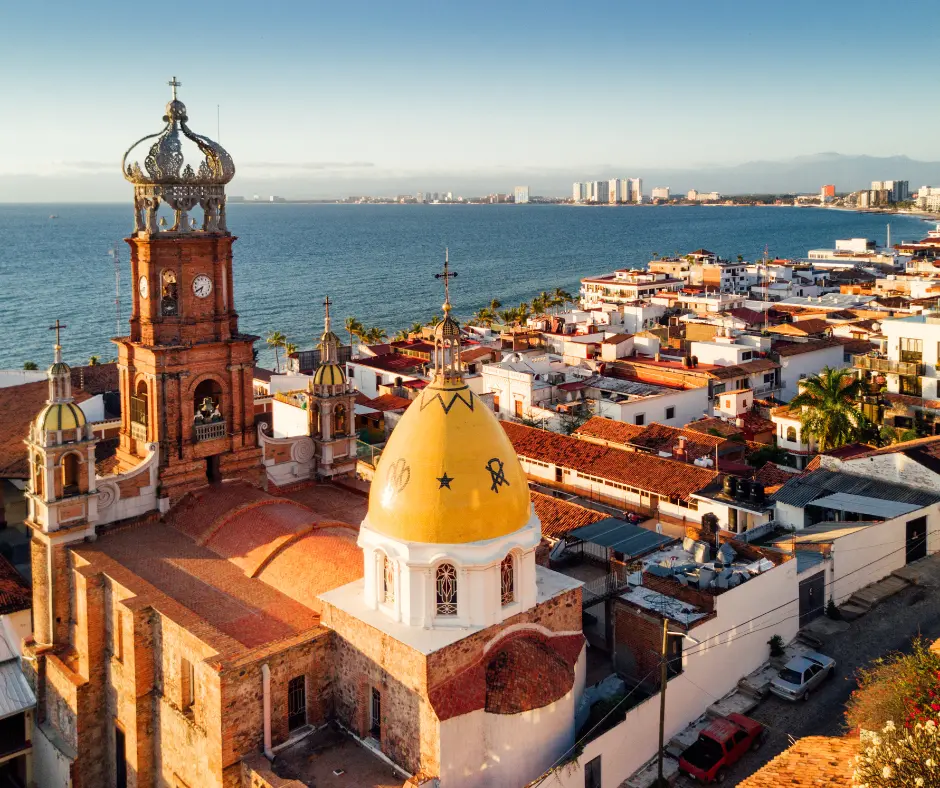
Local view
Brazilian Media Focus on "Dream Office" Local coverage in Brazil highlights the Embratur campaign positioning the country as the "dream office" for remote workers, specifically targeting audiences in the US, Mexico, Spain, and the UK. The narrative emphasizes that Brazil is becoming a key destination for those working remotely for foreign entities.

Context & numbers
Income Threshold Variance Global monthly income requirements for digital nomad visas vary significantly, ranging from approximately $1,500 in countries like Brazil and Mauritius to roughly $8,250 in Iceland. Most visas are initially valid for 12 months, with tax residency typically triggered after 183 days of physical presence.
Housing Market Pressures The digital nomad economy is reshaping housing and neighborhood businesses in cities from Lisbon to Bali. Local stakeholders argue that this influx creates a power imbalance, favoring newcomers and eroding local ways of life, with concerns about "neocolonialism" in tourism and gentrification.
On the radar
- Greece’s 2026 Updates: New guides for Greece detail the specific costs in Athens and Thessaloniki, alongside visa and tax residence rules for 2026.
- Spain’s Nodisea Guide: Updated guidelines for the Spain digital nomad visa emphasize minimum income requirements and frequent application errors, published in late October.
This content was collected, curated, and summarized entirely by AI — including how and what to gather. It may contain inaccuracies. Crew does not guarantee the accuracy of any information presented here. Always verify facts on your own before acting on them. Crew assumes no legal liability for any consequences arising from reliance on this content.
Powered by
