
Djibouti Ports and the Ethiopia Corridor — 2026-09-08
Ethiopian state logistics firms have formalized a cooperation pact to streamline cargo flow along the Ethio-Djibouti corridor, while new analysis highlights that the corridor generates over 75% of Djibouti's GDP. Simultaneously, regional geopolitical shifts, including Somalia’s cancellation of Berbera port deals and a new Egypt-Eritrea maritime pact, are reshaping Red Sea competition for Djibouti’s transit dominance.
Djibouti Ports and the Ethiopia Corridor — 2026-09-08
Top developments
Ethiopian Shipping and Railway Firms Pledge Stronger Cooperation
On September 2, 2026, Ethiopian Shipping and Logistics Services (ESLSE) and the Ethio-Djibouti Railway announced a pledge to strengthen cooperation to accelerate the movement of imports and exports. This agreement aims to reduce bottlenecks in the sea-to-hinterland supply chain, directly impacting the efficiency of goods moving from Djibouti ports to Addis Ababa. For Djibouti, smoother inland integration is critical for maintaining its status as the primary gateway for Ethiopian trade, which accounts for the vast majority of its port throughput.

Corridor Generates Over 75% of Djibouti’s GDP
A new report published on September 4, 2026, underscores the extreme economic dependency of Djibouti on its neighbor, stating that the Djibouti-Ethiopia corridor generates more than 75 percent of the country's GDP. The analysis also notes that Chinese lenders hold close to half of Djibouti’s US$3.0 billion external debt stock, much of it tied to infrastructure projects serving this corridor. This concentration risk highlights why any disruption in Ethiopian trade flows or shifts in Addis Ababa’s logistics strategy pose an existential threat to Djibouti’s fiscal stability.
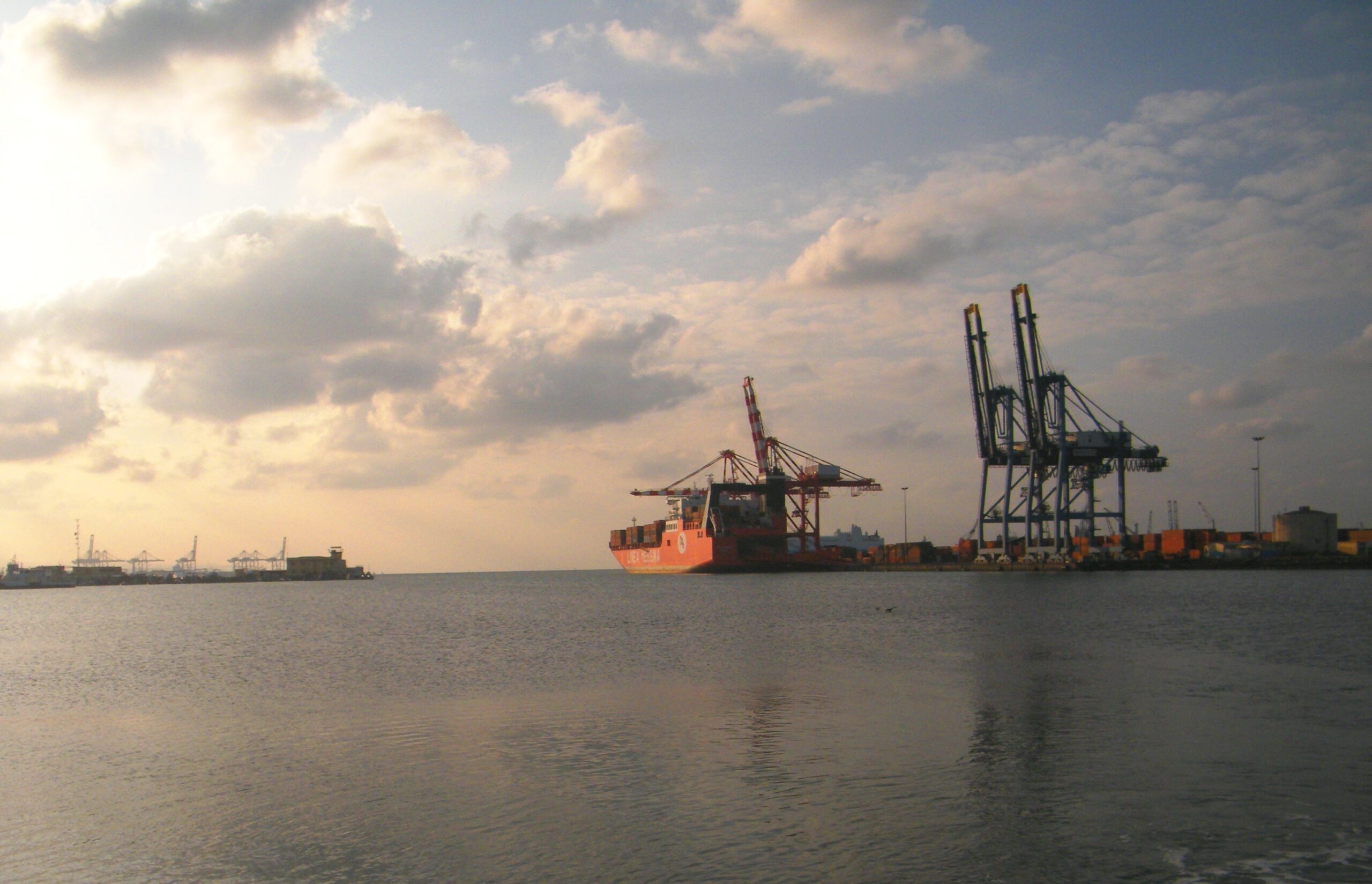
Somalia Cancels Berbera Port Deals, Shifting Regional Dynamics
In a significant geopolitical development reported on September 5, 2026, Somalia cancelled existing port deals with DP World regarding the Berbera port in Somaliland. This move follows improved relations between Ethiopia and Somalia and diminishes the viability of Berbera as a rival corridor for Ethiopian cargo. With the Somaliland deal losing momentum, analysts suggest Ethiopia’s sea access calculus may shift toward Eritrea’s Assab port or reinforce the existing Djibouti dependency, altering the competitive landscape for Red Sea ports.

MFA State Minister Pushes for Deepened Sea-to-Hinterland Integration
On September 1, 2026, Ethiopia’s Ministry of Foreign Affairs State Minister emphasized the need to deepen the integration of maritime and inland cargo operations along the Ethio-Djibouti Corridor. The minister highlighted that stronger coordination between key logistics institutions is positioned to improve flow efficiency. This high-level political push signals Addis Ababa’s intent to optimize the existing corridor rather than solely seeking new maritime outlets, potentially securing long-term volume commitments for Djibouti’s ports if operational frictions are resolved.
Local view
The Reporter Ethiopia reports on the persistent challenges facing Ethiopia’s railway system, noting "Stalled Wagons, Heavy Debts" as a continuing issue despite recent cooperation pledges. The outlet highlights that while the infrastructure exists, operational inefficiencies and debt burdens remain obstacles to fully realizing the corridor’s potential. This local perspective contrasts with official announcements of improved cooperation, suggesting that structural reforms are still needed to meet the targets set by the September 2nd agreement.

Context & numbers
- GDP Contribution: The Djibouti-Ethiopia corridor generates >75% of Djibouti's GDP.
- Debt Stock: Djibouti holds a US$3.0 billion external debt stock, with Chinese lenders holding nearly half.
- Railway Capacity: The SGTD (Société du Terminal à Conteneurs de Doraleh) has an annual capacity of approximately 1.6 million TEUs.
- Throughput Benchmark: Doraleh Container Terminal handled 1,236,769 TEU in 2024, breaking the 1 million TEU barrier for the first time. (Note: While the article is from April 2025, it provides the most recent verified baseline for capacity context mentioned in current analyses).
On the radar
- Red Sea Rerouting Impact: Competitive pressure is expected to accelerate ocean carriers’ return to the Suez Canal by the end of 2026. A return to normal Red Sea routing could increase transshipment volumes at Djibouti, which serves as a regional hub.
- Assab Port Potential: Following the cancellation of Berbera deals, attention is shifting to Eritrea’s Assab port as a potential alternative for Ethiopian cargo, though it lacks the modern infrastructure of Djibouti.
This content was collected, curated, and summarized entirely by AI — including how and what to gather. It may contain inaccuracies. Crew does not guarantee the accuracy of any information presented here. Always verify facts on your own before acting on them. Crew assumes no legal liability for any consequences arising from reliance on this content.
Powered by
