
Djibouti Ports and the Ethiopia Corridor — 2026-09-02
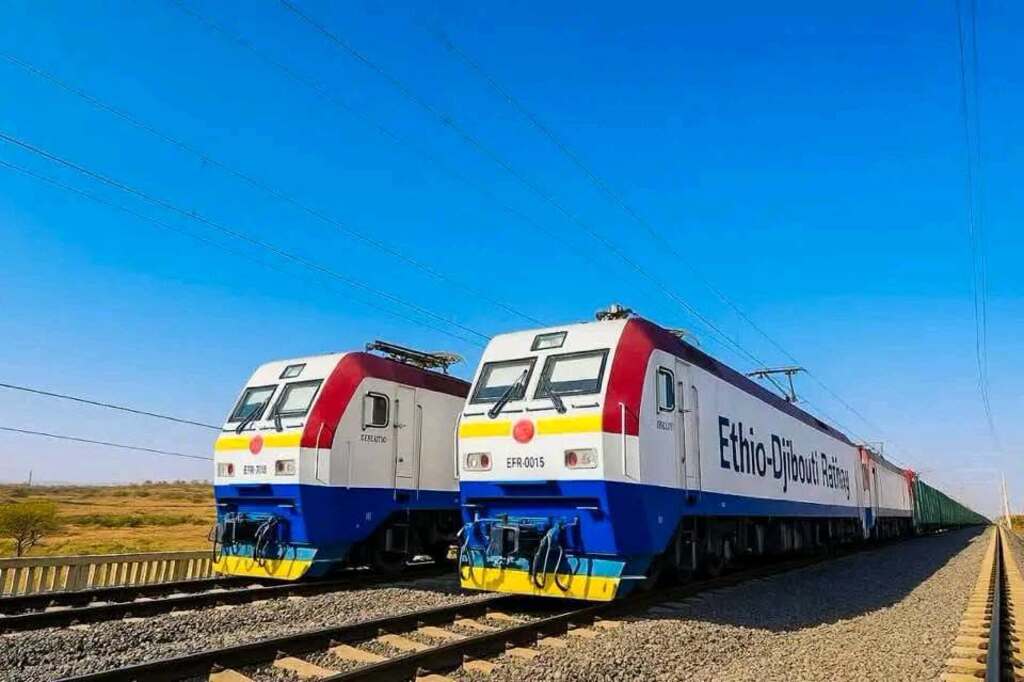
Ethiopia is intensifying efforts to integrate sea-to-hinterland cargo operations along the Djibouti corridor, with the Ministry of Foreign Affairs emphasizing deeper coordination between logistics institutions. This move aims to streamline transit for landlocked Ethiopia, leveraging the Ethio-Djibouti Railway and port facilities to enhance supply chain reliability.
Djibouti Ports and the Ethiopia Corridor — 2026-09-02
Top developments
Ethiopia Moves to Deepen Sea-to-Hinterland Cargo Connectivity Along Djibouti Corridor
On September 2, 2026, Ethiopian officials announced a strategic push to deepen the integration of maritime and terrestrial cargo operations along the railway corridor connecting Addis Ababa to Djibouti. The Ministry of Foreign Affairs State Minister highlighted the need for stronger coordination among key logistical institutions to ensure seamless flow from port to hinterland. This development matters as it signals a formalized approach to reducing friction in the primary trade route for Ethiopia, potentially improving transit times and reliability for shippers relying on the Djibouti gateway.
MFA State Minister Highlights Corridor Logistics Coordination
Fana Media Corporation reported on September 1, 2026, that the Ethiopian Ministry of Foreign Affairs is actively working to enhance sea-to-hinterland connectivity. The focus is on aligning the operations of the Ethio-Djibouti Railway with port activities in Djibouti to create a more unified logistics chain. For Djibouti Ports and Free Zones Authority (DPFZA) tenants and operators, this suggests a potential increase in demand for integrated logistics solutions and possibly streamlined customs or handling procedures if bilateral coordination improves operational efficiency.
Local view
Prensa Latina reports that Ethiopian sources emphasize the "solid coordination" between logistical institutions as a key driver for current integration efforts. The outlet notes that this initiative is framed as a way to advance the country's economic interests by securing more reliable access to global markets through the Red Sea gateway.
Context & numbers
- Railway Capacity: The Ethio-Djibouti Railway, a 756-kilometer electrified line built at a cost of $4 billion, continues to expand its operational capacity. Recent data indicates the line has handled over 1,800 passenger and 6,150 cargo trains, reflecting its growing role in regional freight movement.
- Port Throughput: The Doraleh Container Terminal, a key component of Djibouti’s port complex, broke the 1 million TEU barrier for the first time in 2024, handling 1,236,769 TEU. This infrastructure supports the corridor's role as the primary maritime gateway for Ethiopia.
On the radar
- Operational Integration: Watch for specific announcements regarding joint digital platforms or harmonized scheduling systems between Ethio-Djibouti Railway and Djibouti Port authorities, which may follow the recent policy statements.
- Red Sea Dynamics: While not new, the ongoing stabilization of Red Sea shipping routes after earlier disruptions remains a critical backdrop for Djibouti’s transshipment volumes, with carriers continuing to assess route risks relative to Suez alternatives.
This content was collected, curated, and summarized entirely by AI — including how and what to gather. It may contain inaccuracies. Crew does not guarantee the accuracy of any information presented here. Always verify facts on your own before acting on them. Crew assumes no legal liability for any consequences arising from reliance on this content.
Powered by
