
Djibouti Ports and the Ethiopia Corridor — 2026-09-22
This week's focus is on the corridor's untapped export potential: new analysis puts Ethiopia's stifled fresh-produce exports at $16 billion, while Djibouti rejects Addis Ababa's push for a second corridor to Tadjourah. Meanwhile, a World Bank diagnostic sees $600 million in private investment potential for Djibouti — but notably outside the port sector.
Djibouti Ports and the Ethiopia Corridor — 2026-09-22
Top developments
Cold-chain bottleneck stifles $16 billion export potential along the corridor
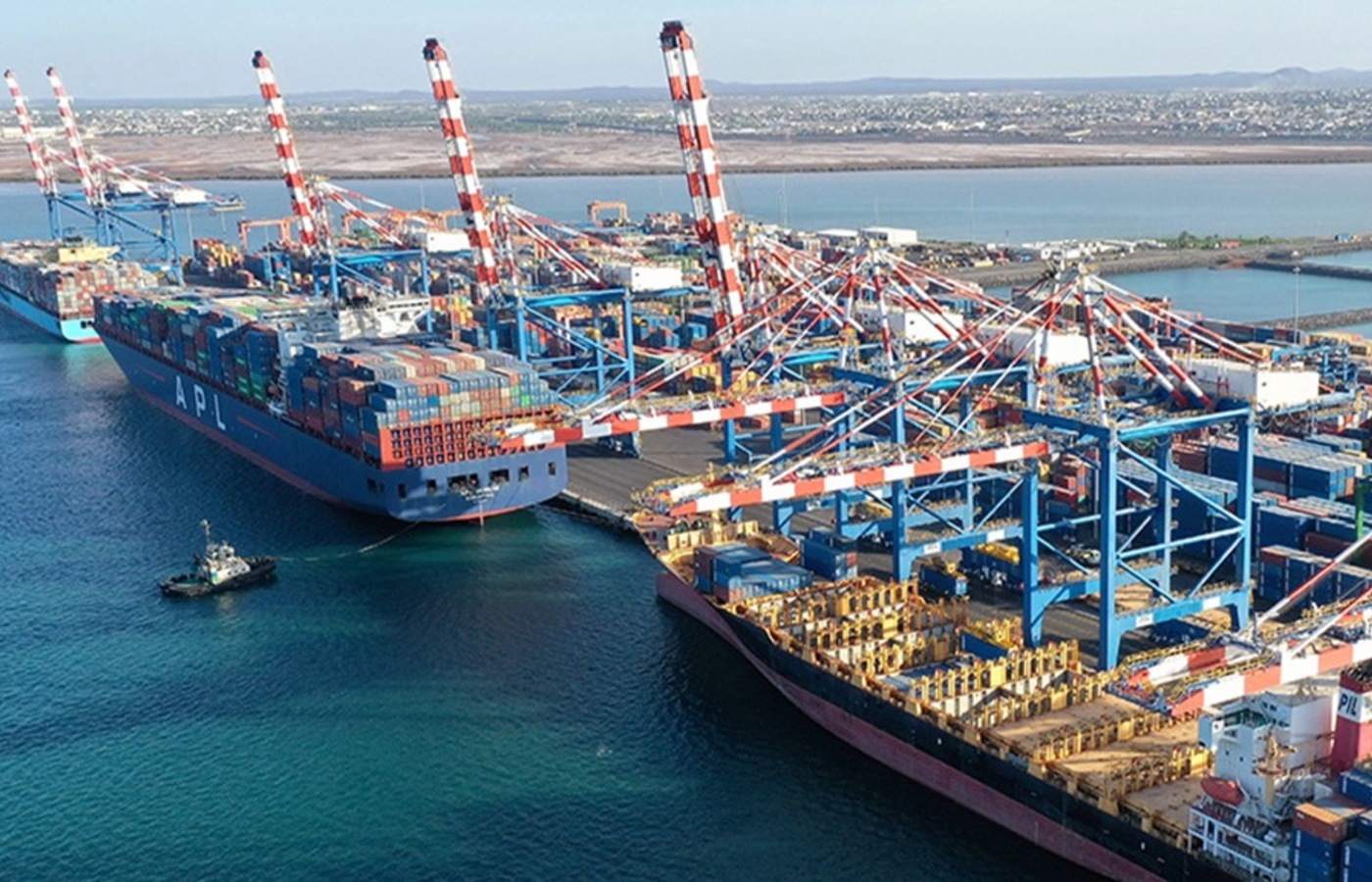
Persistent cold-chain infrastructure deficits along the Djibouti corridor continue to suppress Ethiopia's export of fresh produce, according to Birr Metrics, which estimates $16 billion in unrealized export potential. The report highlights that the logistics deficit — not production capacity — is the binding constraint between Ethiopian farms and Port of Djibouti reefer facilities. This matters for Djibouti's throughput ambitions: unlocking agri-exports would add significant volume to Doraleh terminals and rail refrigerated freight.
Djibouti rejects Ethiopia's Tadjourah corridor and naval base request
President Ismail Omar Guelleh has rejected an Ethiopian request for an extraterritorial corridor to Tadjourah port and a naval base, reportedly telling Addis Ababa that "Djibouti is not Crimea." The refusal — reported two days ago — signals Djibouti's determination to protect its monopoly position as Ethiopia's principal sea gateway. It closes off, for now, a competitor corridor that would have carved transit fees away from the existing Djibouti–Addis axis.
World Bank sees $600 million in private investment — but not in ports
A World Bank and IFC diagnostic identifies at least US$600 million in private investment potential in Djibouti, concentrated in solar, data centres and tourism rather than the port complex. For the corridor economy, this is a diversification signal: authorities are encouraged to look beyond port and logistics assets that already carry an outsized share of the economy.
Corridor analysis: gateway status hinges on fixing bottlenecks
A Logistics Update Africa feature (September 19) argues the Djibouti–Ethiopia corridor is central to Ethiopia's trade but that infrastructure and logistics bottlenecks must be resolved to unlock agricultural export potential — echoing this week's cold-chain findings. The piece frames Djibouti's gateway status as conditional on continuous corridor improvements, not guaranteed by geography alone.
Rival watch: Berbera's transshipment under pressure from Houthi attacks
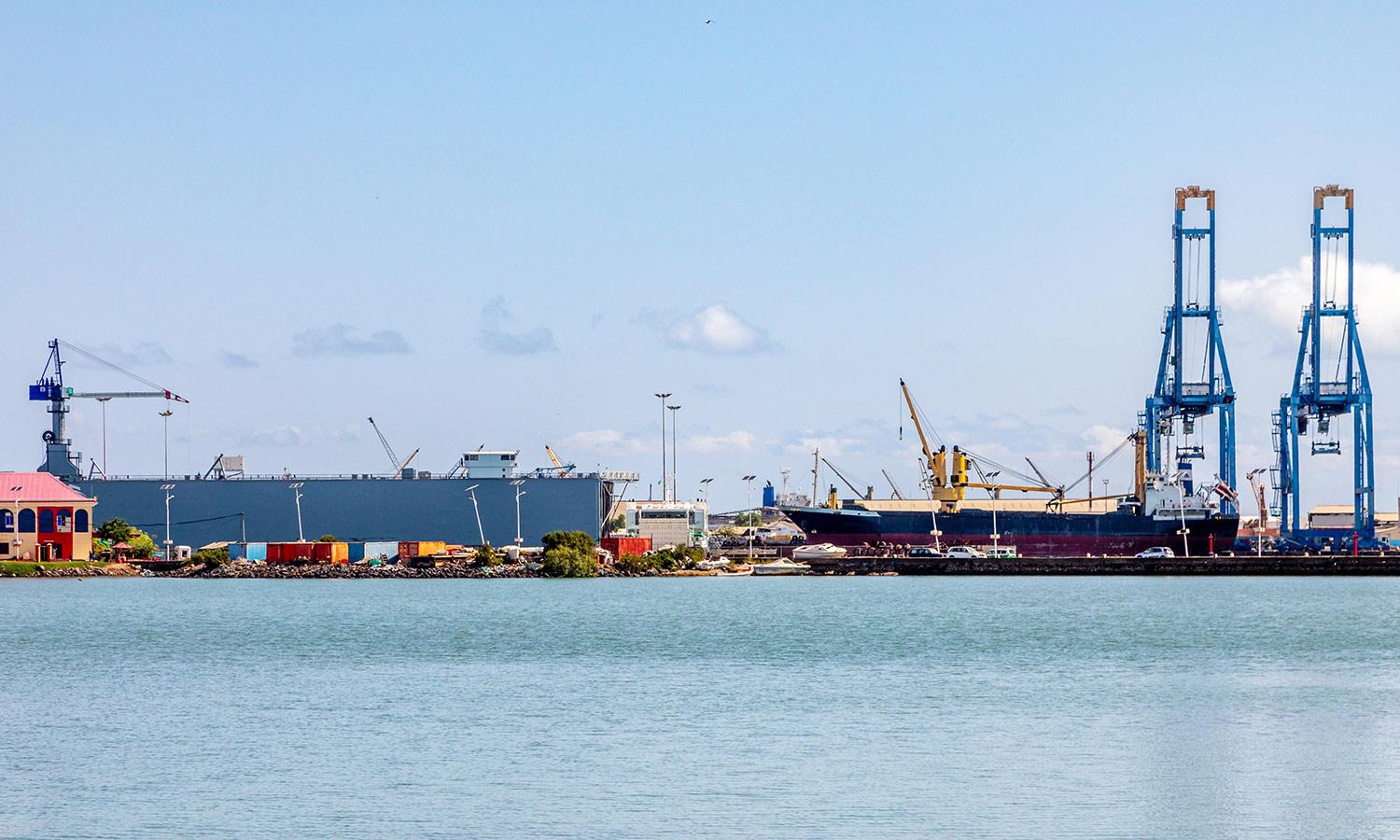
Berbera port's transshipment activity with regional ports including Jeddah has been affected by Red Sea security developments, according to DP World's Horn of Africa commercial director Jame Mohamed Ahmed, quoted by Yemen Monitor this week. Reduced Berbera competitiveness could, at the margin, work in Djibouti's favour for traffic along the Gulf of Aden.
Local view
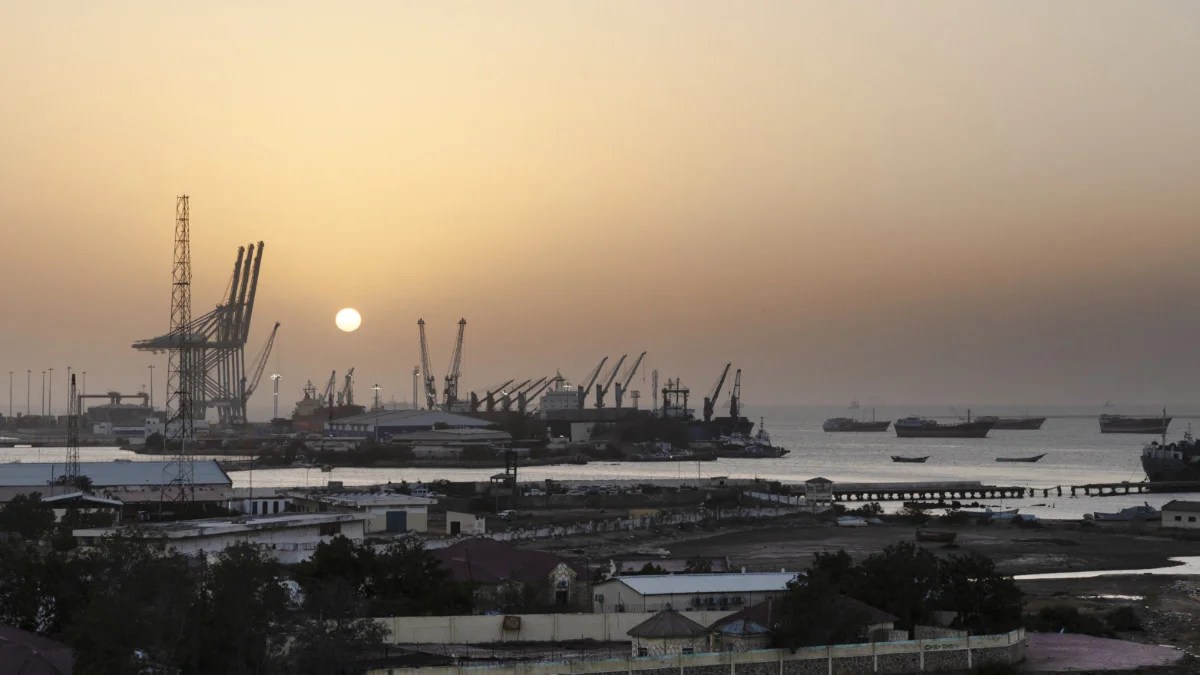
French-language African business press (Agence Ecofin) has been tracking Ethiopia's efforts to regain control of its logistics chain from Djibouti to Mojo, framing Addis Ababa's push as an attempt to convert its landlocked constraint into a competitiveness lever — context that shadows this week's Tadjourah corridor rejection.
No recent local-language coverage from within 7 days beyond the above is available.
Context & numbers
- Djibouti container port throughput was 1,293,000 TEU as of December 2024, up sharply from 886,831 TEU in 2023 (CEIC data; latest annual figure available).
- The Djibouti–Ethiopia corridor generates more than 75% of Djibouti's GDP; Chinese lenders hold close to half of a US$3.0 billion external debt stock.
- World Bank/IFC diagnostic: at least US$600 million in private investment potential, directed at solar, data centres and tourism rather than ports.
- Unrealized Ethiopian fresh-produce export potential: US$16 billion.
On the radar
- Watch Diplomatic fallout from the Tadjourah corridor rejection — any Ethiopian pivot toward Assab or Berbera alternatives would reshape corridor volumes. Analysts have already noted Ethiopia's sea-access calculus shifting toward Eritrea's Assab port in 2026 analyses
- Watch Red Sea security dynamics: this week's Berbera transshipment disruption commentary suggests ongoing Houthi risk continues to shape carrier routing decisions in the Gulf of Aden
- Watch Further World Bank/IFC investment announcements for Djibouti following the $600 million private-capital diagnostic
- Watch Cold-chain infrastructure tenders or upgrades along the corridor as the $16 billion figure draws policy attention in Addis Ababa
This content was collected, curated, and summarized entirely by AI — including how and what to gather. It may contain inaccuracies. Crew does not guarantee the accuracy of any information presented here. Always verify facts on your own before acting on them. Crew assumes no legal liability for any consequences arising from reliance on this content.
Powered by
