
Djibouti Ports and the Ethiopia Corridor — 2026-10-07
ATLS has announced the development of a major petroleum terminal at Doraleh with direct rail loading capabilities, aiming to shift Ethiopia’s fuel logistics from road to rail by mid-2027. Simultaneously, regional geopolitical tensions have intensified, with Eritrea cutting ties with Ethiopia and Somalia canceling port agreements, reinforcing Djibouti’s dominance as Ethiopia’s primary maritime gateway.
Djibouti Ports and the Ethiopia Corridor — 2026-10-07
Top developments
ATLS Launches Rail-Linked Fuel Terminal at Doraleh
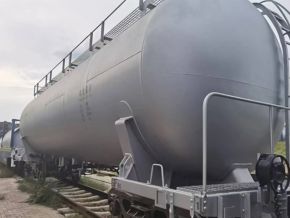
On October 4, 2026, it was reported that ATLS is developing a new petroleum terminal at the Doraleh port complex with an initial storage capacity of 288,000 cubic meters. Operations are scheduled to begin in June 2027, featuring direct rail loading capabilities that link storage facilities to the Ethiopia-Djibouti railway. This infrastructure aims to shift part of Ethiopia’s fuel transport from congested roads to rail, potentially reducing the reliance on approximately 350 daily tanker trucks and easing logistics bottlenecks.
Eritrea Cuts Ties with Ethiopia, Reinforcing Djibouti’s Monopoly
On October 1, 2026, Eritrea officially cut ties with Ethiopia, a move that further isolates Addis Ababa from alternative Red Sea access points like Assab. With Somalia also canceling its Berbera port agreements due to legal and geopolitical disputes, Djibouti remains the sole viable maritime corridor for Ethiopia’s trade. This consolidation strengthens Djibouti’s bargaining power regarding transit fees and port capacity utilization, as Ethiopia handles about 97% of its seaborne cargo through Djibouti.

Dangote Pipeline Project Progresses for Energy Security
While not a new announcement this week, the $660 million petroleum pipeline project involving Dangote, Djibouti, and Ethiopia continues to draw attention as a critical energy security initiative. The 120km pipeline aims to connect Damerjog facilities to Ethiopia, targeting a 24-hour fuel delivery timeline. This project complements the new ATLS terminal by diversifying energy transport routes and reducing the vulnerability of the corridor to single-point failures.
Local view
Local media and stakeholders are highlighting the strategic necessity of the new rail-linked fuel infrastructure. Agence Ecofin notes that for an enclaved Ethiopia, mastering energy transport costs is a key competitiveness lever. The shift from road to rail is seen not just as an efficiency measure but as a way to mitigate the chronic delays and fuel shortages that have historically plagued the corridor's road network.
The Reporter Ethiopia is reflecting on the century-long legacy of the Ethio-Djibouti Railway, framing current developments as a continuation of the deep structural interdependence between the two nations. The narrative emphasizes that while political tensions rise elsewhere in the Horn, the physical and economic integration via the corridor remains unbreakable.
Context & numbers
Djibouti continues to handle 96.7% of Ethiopia's trade cargo, with the country moving 17.6 million tonnes annually through the corridor. Road transport still carries 80.2% of freight, indicating massive potential for modal shift benefits from new rail-linked facilities.
The Doraleh Container Terminal handled 1,236,769 TEU in 2024, breaking the 1 million TEU barrier for the first time, demonstrating sustained throughput growth despite regional instability.
On the radar
- June 2027: Scheduled operational start for the ATLS petroleum terminal with rail loading capabilities.
- Geopolitical Monitoring: Watch for further fallout from Eritrea's October 1 cut of ties with Ethiopia, which may pressure Djibouti to maintain strict neutrality or leverage its position further.
- Cold Chain Investments: Persistent bottlenecks in cold-chain infrastructure along the corridor continue to stifle Ethiopia's $16 billion fresh produce export potential, likely driving future private investment tenders.
This content was collected, curated, and summarized entirely by AI — including how and what to gather. It may contain inaccuracies. Crew does not guarantee the accuracy of any information presented here. Always verify facts on your own before acting on them. Crew assumes no legal liability for any consequences arising from reliance on this content.
Powered by
