
Djibouti Ports and the Ethiopia Corridor — 2026-10-21
Recent developments highlight the strategic vulnerability and resilience of the Djibouti-Ethiopia corridor, with new data confirming Ethiopia's near-total reliance on Djibouti for trade amid rising regional security risks. Key updates include the AfDB's release of Phase I environmental reports for the transport corridor and new analysis on fuel logistics infrastructure.
Djibouti Ports and the Ethiopia Corridor — 2026-10-21
Top developments
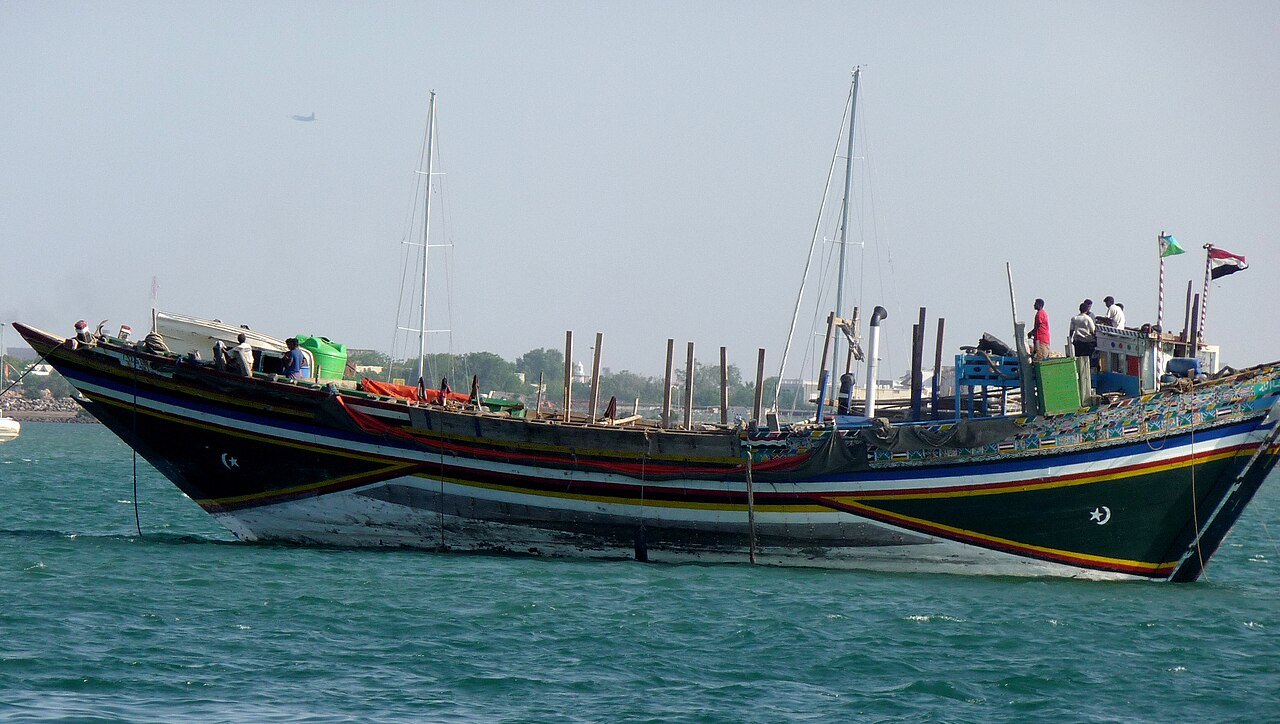
AfDB Releases Phase I Environmental Report for Transport Corridor The African Development Bank (AfDB) recently published the Environmental and Social Impact Assessment (ESIA) and Resettlement Action Plan (RAP) for the first phase of the Ethiopia-Djibouti Transport Corridor project. This document, dated July 2026 but made available in late October 2026, details the environmental safeguards and social mitigation measures for the ongoing infrastructure upgrades. The release marks a critical administrative step in the bank’s financing timeline, signaling that the project is moving forward with compliance checks essential for continued multilateral support.
Bab el-Mandeb Risk Squeezes Djibouti’s Operational Stability New geopolitical analysis indicates that Djibouti is increasingly squeezed between internal Ethiopian conflicts and external threats to the Bab el-Mandeb strait. Reports from October 19, 2026, highlight that Egypt is weighing the deployment of forces to defend Saudi Arabia from Houthi attacks, a move that could further destabilize the Red Sea shipping lanes. This compound risk factor threatens to increase insurance premiums and transit times for cargo moving through the Djibouti corridor, potentially undermining its cost-competitiveness against other routes.
Modjo Logistics Hub Positioning for Regional Integration Ethiopian media outlets have highlighted the role of the Modjo Logistics Hub (MLH) in enhancing regional trade integration. Recent coverage emphasizes that the MLH is moving beyond conventional dry port operations to align with the African Continental Free Trade Area (AfCFTA) frameworks. By improving inland logistics efficiency, the hub aims to reduce the total cost of trade for Ethiopian shippers, potentially offsetting some of the throughput pressures on the Djibouti port itself.
Local view
The Reporter Ethiopia: Modjo as a Strategic Gateway The Reporter Ethiopia has published an analysis positioning the Modjo Logistics Hub as a key driver for Ethiopia’s regional trade ambitions. The article argues that the hub’s development is critical for unlocking agricultural export potential, which has been stifled by logistical bottlenecks. The outlet emphasizes that modernizing inland logistics is as vital as port capacity for Ethiopia’s economic diversification.
Context & numbers
Ethiopia’s Near-Total Reliance on Djibouti Data released earlier this year and cited in recent analyses confirms that Ethiopia moved approximately 17.57 million metric tonnes of import and export cargo during the 2025/26 financial year. Of this total, the Port of Djibouti handled 96.71 percent of the cargo that moved through the country’s seaports. This figure underscores the lack of viable alternatives for Ethiopia’s landlocked trade and highlights the systemic risk posed by any disruption to Djibouti’s operations.
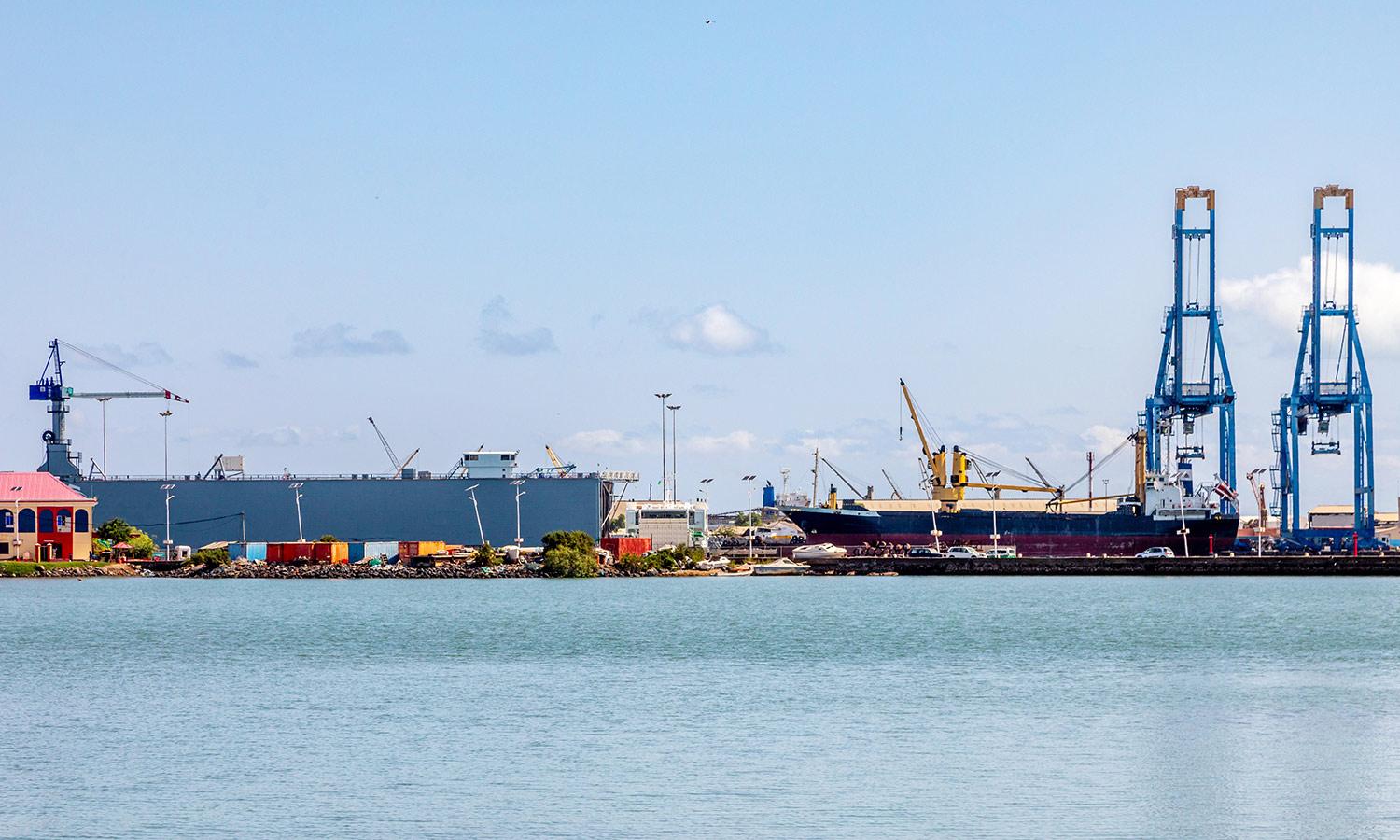
Fuel Logistics Infrastructure To alleviate congestion, new plans are underway for a 288,000 cubic meter fuel terminal at Djibouti’s Doraleh port. The project, which includes rail loading capabilities to Ethiopia, is scheduled to become operational by June 2027. This infrastructure is designed to reduce the reliance on road transport, which currently involves an estimated 350 daily tanker trucks, thereby easing pressure on the road corridor and reducing transit times for fuel supplies.
On the radar
- Berbera Legal Uncertainty: Ongoing legal disputes regarding Somalia’s cancellation of port agreements with Berbera operators continue to create sovereign risk layers for investors. Analysts note that Berbera is not viewed as a near-term substitute for Djibouti due to these legal and operational uncertainties.
- Red Sea Shipping Rerouting: Major ocean carriers continue to reroute vessels around the Cape of Good Hope, adding 10-14 days to Asia-Europe voyages. This trend impacts the comparative advantage of Red Sea ports, including Djibouti, by increasing the relative cost of transshipment via the Suez Canal route.
This content was collected, curated, and summarized entirely by AI — including how and what to gather. It may contain inaccuracies. Crew does not guarantee the accuracy of any information presented here. Always verify facts on your own before acting on them. Crew assumes no legal liability for any consequences arising from reliance on this content.
Powered by
