
Djibouti Ports and the Ethiopia Corridor — 2026-09-13
Houthi forces seized the strategic island of Perim (Mayyun) on September 11, locking the Bab el-Mandeb strait and threatening the primary maritime artery for Djibouti’s port operations. Concurrently, the World Bank approved an additional $90 million for the Modjo Logistics Hub to alleviate inland bottlenecks, while new data highlights that Djibouti still handles nearly 97% of Ethiopia’s seaborne cargo despite rising competition from Eritrean ports.
Djibouti Ports and the Ethiopia Corridor — 2026-09-13
Top developments
Houthi Capture of Perim Island Locks Bab el-Mandeb Strait
On Friday, September 11, 2026, Houthi forces took control of the island of Mayyun (also known as Perim), a strategically vital chokepoint in the Bab el-Mandeb strait. This move places Africa at the forefront of a new maritime crisis by effectively allowing the Houthis to control traffic between the Red Sea and the Gulf of Aden. For Djibouti, which relies on this corridor for the vast majority of its transit trade with landlocked Ethiopia, this escalation poses an immediate risk to port throughput and increases insurance premiums and rerouting costs for carriers.

World Bank Injects $90M into Modjo Logistics Hub
The World Bank has allocated an additional $90 million to the Modjo Logistics Hub in Ethiopia to address delays and cost overruns in civil works. This financing aims to slash processing times by 70%, thereby easing trade flows and supporting Ethiopia’s export-driven growth. The expansion is critical for reducing the "last mile" bottlenecks that have historically plagued the Ethiopia-Djibouti corridor, potentially increasing the volume of goods moving through Djibouti’s ports by improving inland efficiency.

Chinese Firm Expands Ethiopian Logistics Center
A Chinese company has completed the expansion of a logistics center in Ethiopia to boost capacity and efficiency. This development underscores the continued deepening of Chinese involvement in Ethiopia’s logistics infrastructure, which directly supports the throughput of the Djibouti corridor. Enhanced capacity on the Ethiopian side is expected to streamline the movement of imports and exports, reinforcing Djibouti’s position as the dominant gateway for the region.
Local view
Afrik.com and Africtelegraph highlight the severe geopolitical implications of the Houthi seizure of Perim, noting that it places African nations in the "front line" of a new maritime crisis. Local analysts emphasize that Djibouti’s economy, which generates more than 75 percent of its GDP from the Ethiopia-Djibouti corridor, is disproportionately vulnerable to any disruption in the Red Sea. The capture of Perim is seen not just as a military event but as an economic threat that could force costly rerouting or halt transshipment activities critical to Djibouti’s fiscal stability.
Context & numbers
- Cargo Share: Djibouti continues to move 96.7% of Ethiopia’s seaborne cargo, maintaining its dominance despite competition from Berbera (2.74%) and other routes.
- Corridor Debt: The Ethiopia-Djibouti corridor is linked to significant external debt, with Chinese lenders holding close to half of Djibouti’s US$3.0 billion external debt stock.
- Rail Volume: The Ethio-Djibouti railway has recorded over 1,800 passenger and 6,150 cargo trains, indicating sustained reliance on the rail link alongside road haulage.
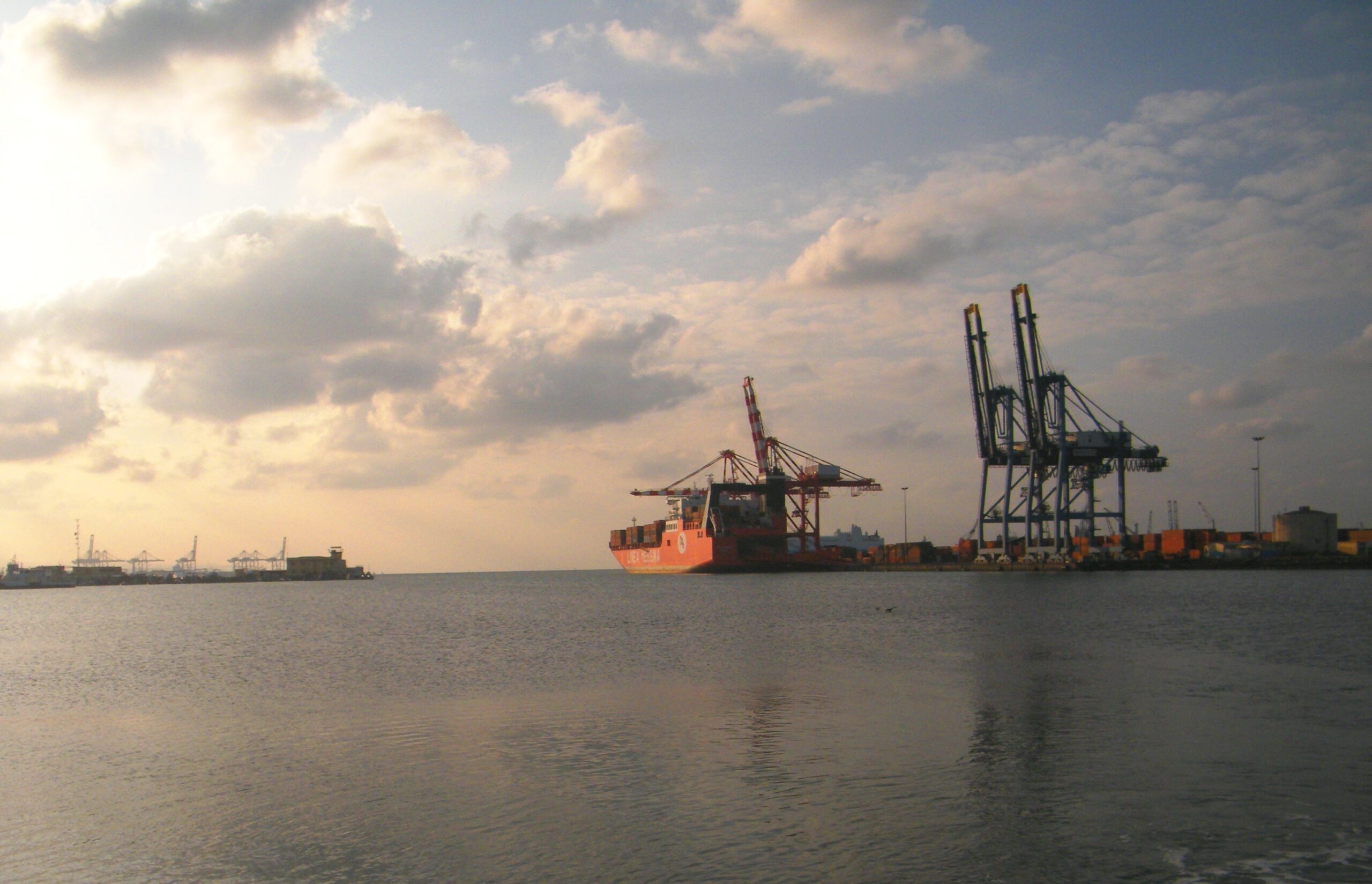
- Container Throughput: Djibouti’s container port throughput reached an all-time high of 1,293,000 TEU in 2024, reflecting its status as one of the most sophisticated port complexes in the region.
On the radar
- Red Sea Insurance Costs: Shipping insurers are expected to revise war-risk premiums following the Houthi seizure of Perim, which could increase the landed cost of goods for Ethiopia via Djibouti.
- Eritrea-Djibouti Competition: Recent analyses suggest Ethiopia may be shifting some sea access calculus toward Eritrea’s Assab port due to geopolitical shifts, though Djibouti’s current infrastructure advantage remains substantial.
- Fiber Optic Corridor: A new terrestrial fiber optic highway connecting Ethiopia, Djibouti, and Sudan is being rolled out, which could enhance digital logistics tracking and administrative efficiency along the physical transport corridor.
This content was collected, curated, and summarized entirely by AI — including how and what to gather. It may contain inaccuracies. Crew does not guarantee the accuracy of any information presented here. Always verify facts on your own before acting on them. Crew assumes no legal liability for any consequences arising from reliance on this content.
Powered by
