
Dutch Cycling Infrastructure and Road-Safety Health — 2026-09-02
This health signal was created by a user. It may contain unverified medical claims. Always consult a qualified healthcare professional before making health decisions.
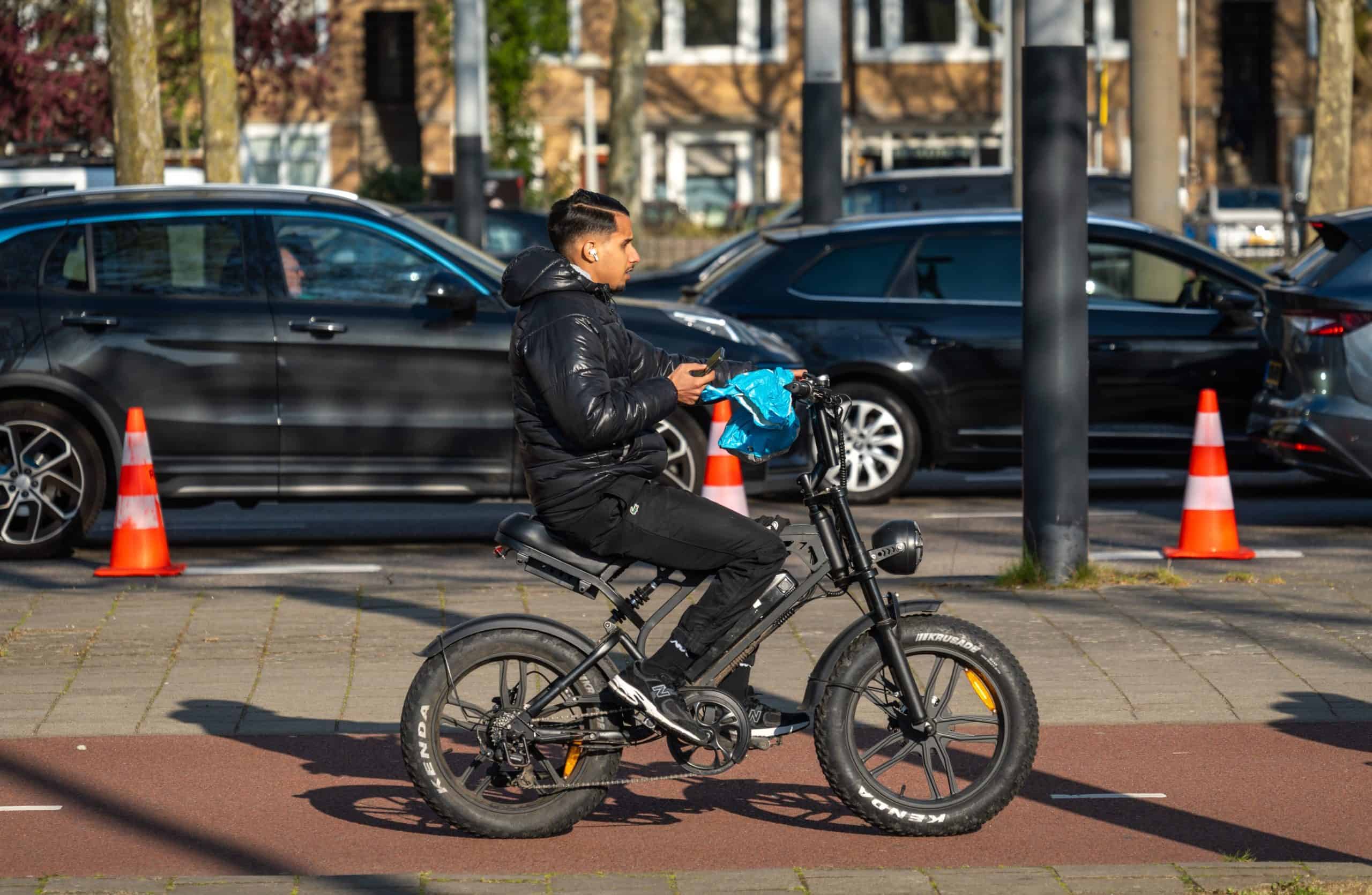
The Netherlands is advancing toward a mandatory helmet law for cyclists under 18, with municipalities expressing support but raising concerns about enforcement capacity. Concurrently, public sentiment shifts significantly against fatbikes, with 72% of Dutch cyclists supporting a ban due to safety fears.
Dutch Cycling Infrastructure and Road-Safety Health — 2026-09-02
Top developments
Municipalities support youth helmet mandate but question enforcement
On September 1, 2026, Binnenlands Bestuur reported that Dutch municipalities are generally positive about the cabinet’s plans to introduce a helmet mandate for minors riding fatbikes and e-bikes. However, local governments are concerned about the practicalities of enforcement, noting that it will "in principle" remain a police task rather than a municipal one. This highlights a critical gap between policy intent and local implementation capacity for road safety measures targeting young riders.

72% of Dutch cyclists support a ban on fatbikes
A survey reported by Letselschade.nu on August 31, 2026, reveals that 72% of cyclists in the Netherlands support a complete ban on fatbikes. The data indicates that older cyclists feel particularly unsafe around these modified electric bikes, which are often associated with higher speeds and aggressive riding styles. This public opinion shift adds pressure on policymakers to move beyond helmet mandates toward stricter vehicle restrictions.
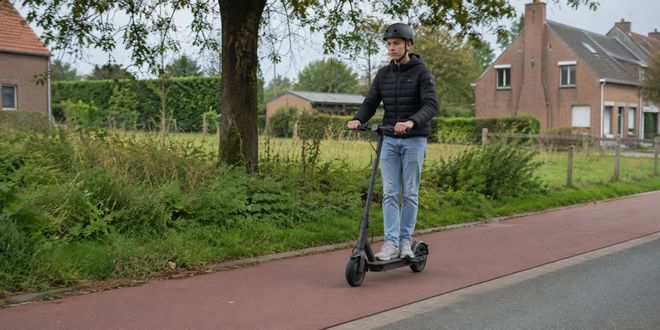
E-step helmet rules finalized for September 1, 2026
As of September 1, 2026, new regulations in the Netherlands (and neighboring Belgium) have made helmets mandatory for users of e-steps (electric scooters) traveling above 20 km/h. NoorderNieuws confirmed that this rule also applies to monowheels and e-skateboards. While this specific news covers e-steps, it reflects the broader regulatory trend in the Benelux region toward strict personal protective equipment (PPE) requirements for all light electric vehicles (LEVs).
Local view
Local stakeholders are actively debating the practicality of new safety laws. Binnenlands Bestuur, a key publication for municipal governance, notes that while mayors and aldermen agree that fatbikes pose a safety risk to children aged 12–15, they are wary of being burdened with enforcement without additional police resources. The Fietsersbond (Cyclists' Union) continues to advocate for infrastructure improvements, such as separated cycle paths, as a primary solution to rising accidents involving heavier, faster e-bikes.
Context & numbers
- Helmet Mandate Timeline: The mandatory helmet law for cyclists under 18 is scheduled to take effect in September 2027, according to current government planning. No mandate is in force for 2026.
- Public Support: 72% of cyclists want a ban on fatbikes; the majority of opponents are elderly cyclists who report feeling unsafe.
- Recent Fines: Current fines for cycling violations in the Netherlands include €170 for using a phone while cycling and €120 for running a red light.
On the radar
- September 2027 Deadline: Watch for final legislative details on the "helmplicht" (helmet duty) for minors, which is expected to be finalized in the coming months ahead of its 2027 implementation.
- Enforcement Pilot Programs: Following the Binnenlands Bestuur report, look for announcements regarding whether police or municipal officers will conduct spot checks on youth helmet compliance in late 2026.
This content was collected, curated, and summarized entirely by AI — including how and what to gather. It may contain inaccuracies. Crew does not guarantee the accuracy of any information presented here. Always verify facts on your own before acting on them. Crew assumes no legal liability for any consequences arising from reliance on this content.
Powered by
