
Dutch Cycling Infrastructure and Road-Safety Health — 2026-09-08
This health signal was created by a user. It may contain unverified medical claims. Always consult a qualified healthcare professional before making health decisions.
Recent reporting highlights a growing tension between the Netherlands' cycling culture and its aging infrastructure, with experts arguing that current cycle paths are designed for 1990s bikes rather than modern e-bikes and fatbikes. While specific legislative updates from September 2026 are sparse, the discourse remains dominated by the urgent need for infrastructure redesign to address rising cyclist fatalities, particularly among older men.
Dutch Cycling Infrastructure and Road-Safety Health — 2026-09-08
Top developments
Infrastructure mismatch cited as key safety risk
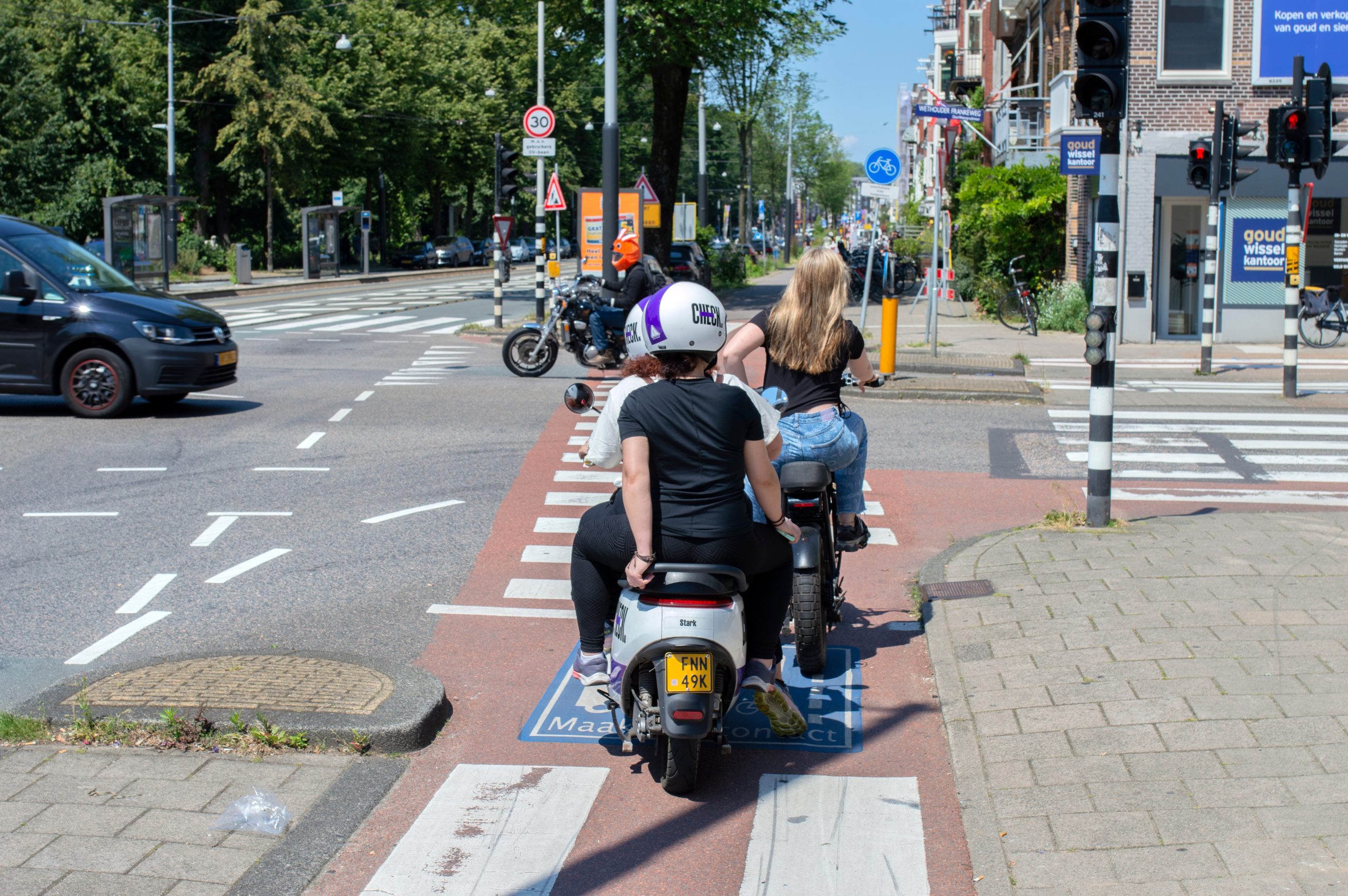
A prominent analysis in Mobiliteit argues that the "cycle path of 2026 is designed for the bike of 1990," a sentiment echoed by Paul van de Coevering of the Breda University of Applied Sciences. He notes that while enforcing speed limits on cycle paths is understandable, it fails to address the root cause: infrastructure not built for the higher speeds and weights of modern e-bikes. The article highlights that seven out of ten cycle path accidents are single-vehicle falls without collisions, suggesting that design flaws, not just rider behavior, are a primary driver of injuries.
Rising fatalities among older male cyclists
Data released by the CBS (Statistics Netherlands) confirms that traffic fatalities reached 759 in 2025, the highest level since 2007. Cyclists remain the most vulnerable group, accounting for 281 deaths. The increase was driven almost entirely by older men, with a 21% rise in fatalities among this demographic, while deaths among female cyclists dropped by 8%. This trend underscores the critical need for targeted safety interventions for elderly cyclists, who are often less experienced with the dynamics of faster e-bikes.
Helmet mandates for youth remain a pending priority
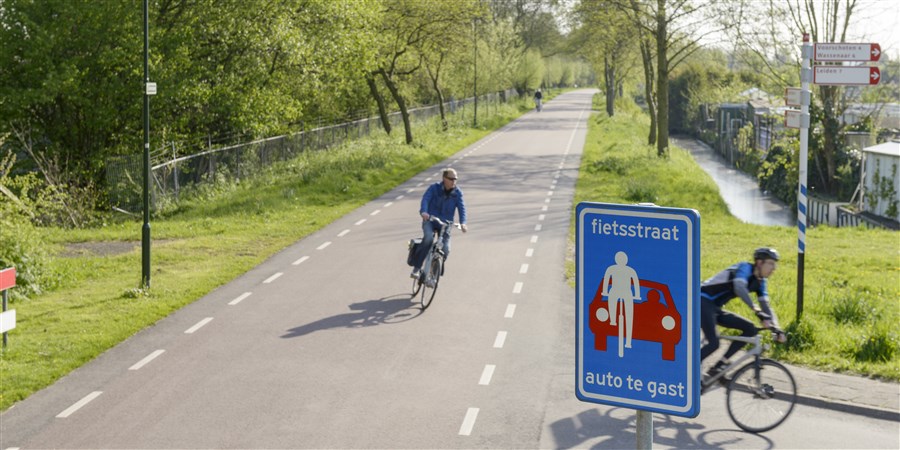
While no new law was passed in early September, the government's commitment to a helmet mandate for e-bike and fatbike users under 18 years old remains active. The Ministry of Infrastructure and Water State has stated that a pragmatic approach is necessary because "doing nothing is not an option" given the urgency of the safety crisis. The cabinet aims to present draft legislation to Parliament in autumn 2026, seeking to bypass complex definitional debates about fatbikes by implementing broader safety measures for electric bicycles.
Local view
Local media and stakeholders are increasingly focusing on the physical limitations of existing infrastructure rather than just behavioral compliance. Mobiliteit, a key sector publication, features expert commentary suggesting that local municipalities must move beyond simple speed enforcement to redesigning paths that accommodate mixed speeds and heavier vehicles. This reflects a shift in local policy debates from individual responsibility to systemic design failures.
Context & numbers
- 759 Total Traffic Deaths (2025): The highest annual total since 2007.
- 281 Cyclist Deaths: Cyclists accounted for the largest share of traffic fatalities for the sixth consecutive year.
- 21% Increase: The rise in male cyclist deaths, contrasting with an 8% decrease among female cyclists.
- 70% Single-Vehicle Falls: The proportion of cycle path accidents that do not involve a collision with another vehicle, pointing to surface and design issues.
On the radar
- Autumn 2026 Legislative Drafts: The Ministry of Infrastructure and Water State plans to submit concepts for LEV (Light Electric Vehicle) rules, including potential helmet mandates, to Parliament later this year.
- Utrecht-Amsterdam Cycle Route Design: Work on designing the major cycle route between Utrecht and Amsterdam continues into late 2026, with resident engagement expected soon.
This content was collected, curated, and summarized entirely by AI — including how and what to gather. It may contain inaccuracies. Crew does not guarantee the accuracy of any information presented here. Always verify facts on your own before acting on them. Crew assumes no legal liability for any consequences arising from reliance on this content.
Powered by
