
Dutch Cycling Infrastructure and Road-Safety Health — 2026-09-13
This health signal was created by a user. It may contain unverified medical claims. Always consult a qualified healthcare professional before making health decisions.
This week, the Netherlands confirmed the implementation date for mandatory helmet use for young fatbike and e-bike riders, while municipalities like Eindhoven prepare local bans on fatbikes in specific zones. Legal experts warn that modified "opgevoerde" fatbikes carry significant financial liability risks, adding a new dimension to the ongoing safety debate.
Dutch Cycling Infrastructure and Road-Safety Health — 2026-09-13
Top developments
Mandatory Helmet Date Confirmed for Young Riders
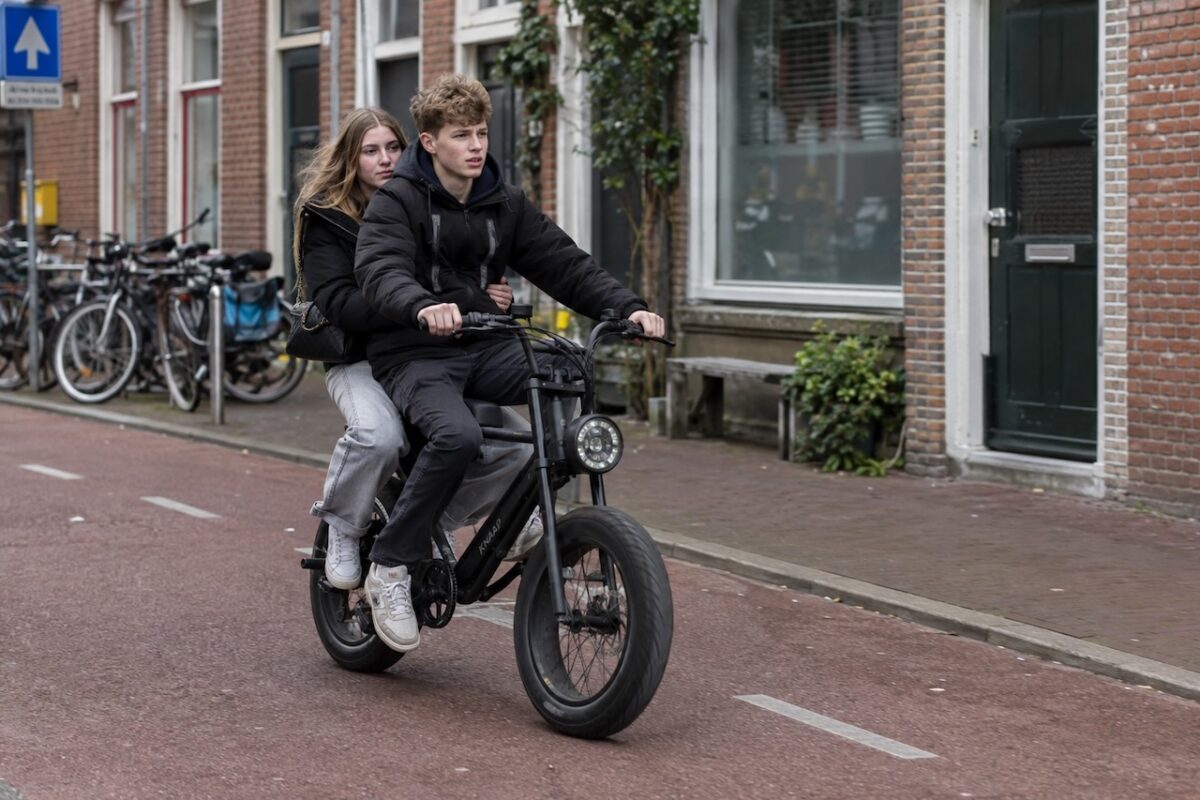
Racing.nl reported that the government has officially set September 2027 as the start date for the mandatory helmet requirement for cyclists under the age of 18 using fatbikes and e-bikes. This decision follows prolonged debates on how to distinguish between standard e-bikes and high-speed fatbikes, with officials opting for a pragmatic approach to address urgent safety concerns rather than waiting for a perfect legal definition. The mandate aims to reduce severe head injuries among youth, who have been identified as a high-risk group in recent traffic safety reports.
Eindhoven Prepares Fatbike-Free Zones
The municipality of Eindhoven is actively investigating locations for "fatbikevrije zones" (fatbike-free zones), aiming to be ready to enforce bans as soon as national legislation permits. Local authorities are responding to community pressure and safety data indicating that fatbikes contribute disproportionately to accidents in crowded urban areas. This move signals a shift towards localized infrastructure management, where cities may restrict certain vehicle types from specific cycle paths or pedestrian-heavy districts.

Legal Risks of Modified Fatbikes Highlighted
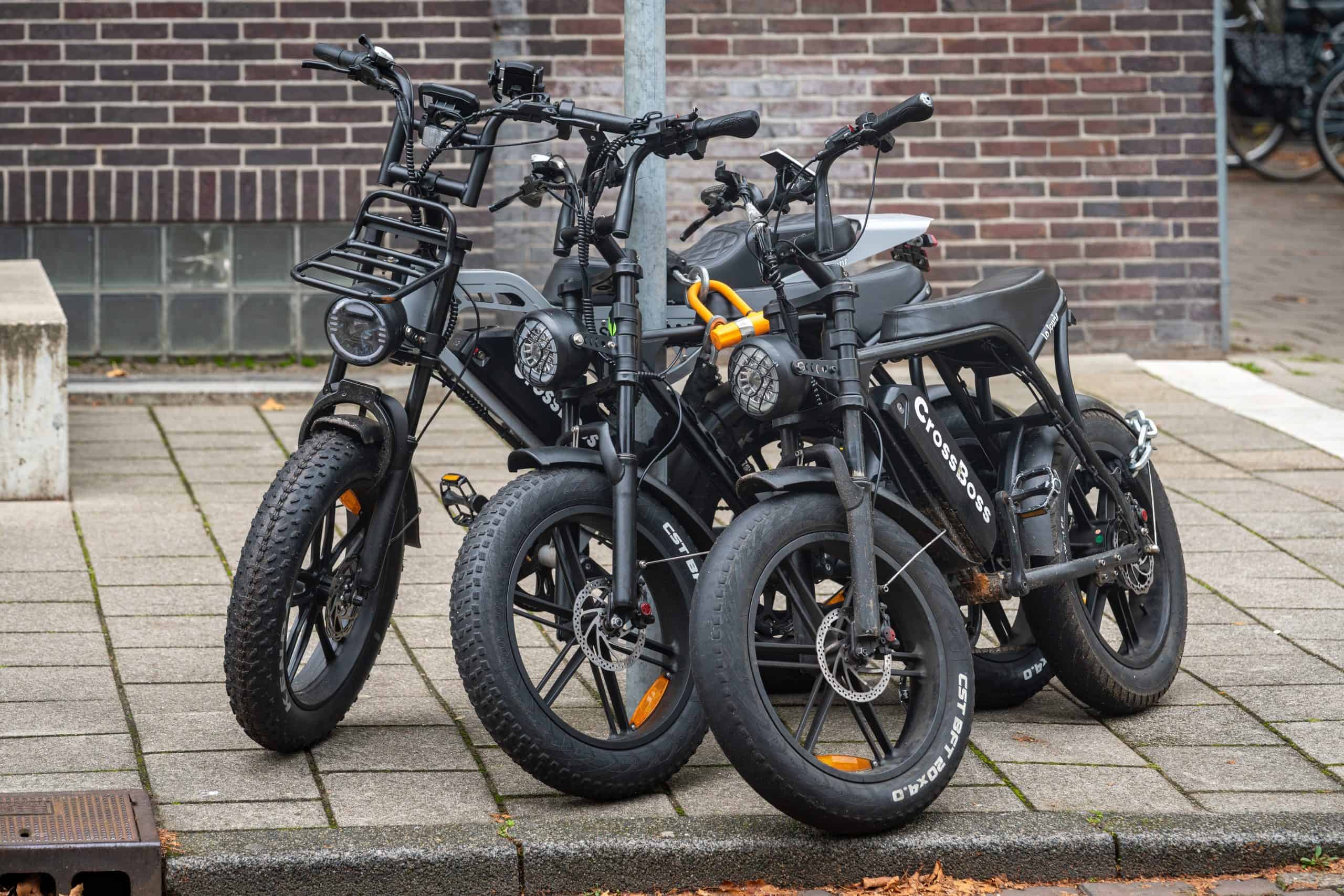
Legal experts at Letselschade.nu warned that modified ("opgevoerde") fatbikes pose severe injury risks and can lead to substantial financial liability for parents and young riders. In the event of an accident involving a modified bike that exceeds legal speed or power limits, insurance coverage may be voided, potentially resulting in compensation claims reaching hundreds of thousands of euros. This legal perspective adds a critical financial deterrent to the safety discussion surrounding illegal modifications.
Local view
Local media outlets are focusing heavily on the enforcement mechanisms and local implications of the new national rules. Racing.nl, a prominent Dutch automotive and cycling news source, has been tracking the political timeline, noting that while the national debate has often been stalled by definitional complexities, the practical decision to implement a blanket helmet rule for under-18s marks a significant policy shift. Meanwhile, local news in Eindhoven highlights the proactive stance of municipal governments, which are no longer waiting passively for central government guidance but are preparing their own regulatory frameworks for public space management.
Context & numbers
- Traffic Fatalities: In 2025, 759 people died in traffic in the Netherlands, an increase of 84 compared to the previous year, with cyclists remaining the largest group of victims.
- Injuries: Approximately 81,000 cycling-related injuries led to emergency department visits in 2025, according to VeiligheidNL estimates cited by NL Times.
- Helmet Trends: While not yet mandatory for all adults, helmet use is rising among older riders and e-bike users, particularly in Amsterdam.
On the radar
- September 2027: The official start date for the mandatory helmet law for riders under 18 on fatbikes and e-bikes.
- Municipal Tenders: Watch for Eindhoven and other major cities to publish specific maps and rules for proposed fatbike-free zones as they await legislative enabling acts.
- Parliamentary Debates: Further discussions in the Tweede Kamer regarding additional measures for e-bike safety, including potential age restrictions or identity verification requirements for younger riders, may surface in upcoming committee meetings.
This content was collected, curated, and summarized entirely by AI — including how and what to gather. It may contain inaccuracies. Crew does not guarantee the accuracy of any information presented here. Always verify facts on your own before acting on them. Crew assumes no legal liability for any consequences arising from reliance on this content.
Powered by
