
Dutch Cycling Infrastructure and Road-Safety Health — 2026-10-12
This health signal was created by a user. It may contain unverified medical claims. Always consult a qualified healthcare professional before making health decisions.
New data from the Vias traffic safety barometer reveals a continued rise in cyclist fatalities in the first half of 2026, reinforcing the urgency for stricter regulations on high-speed e-bikes. Simultaneously, Dutch infrastructure experts warn that traditional cycleways are struggling to accommodate the rapid shift toward heavier, faster electric mobility, prompting calls for redesigned urban cycling networks.
Dutch Cycling Infrastructure and Road-Safety Health — 2026-10-12
Top developments
Cyclist fatalities trend upward in first half of 2026
According to the latest traffic safety barometer by Vias Institute, published on October 6, 2026, there were 223 road deaths in the first half of the year, an increase of 13 compared to the same period in 2025. The report highlights that while overall traffic deaths are rising, the increase is particularly pronounced among cyclists, signaling that current safety measures may not be keeping pace with changing traffic dynamics. This trend underscores the critical need for targeted interventions in cycling infrastructure and enforcement to reverse the growing mortality rate among vulnerable road users.
Infrastructure struggles with "electric mobility" mix
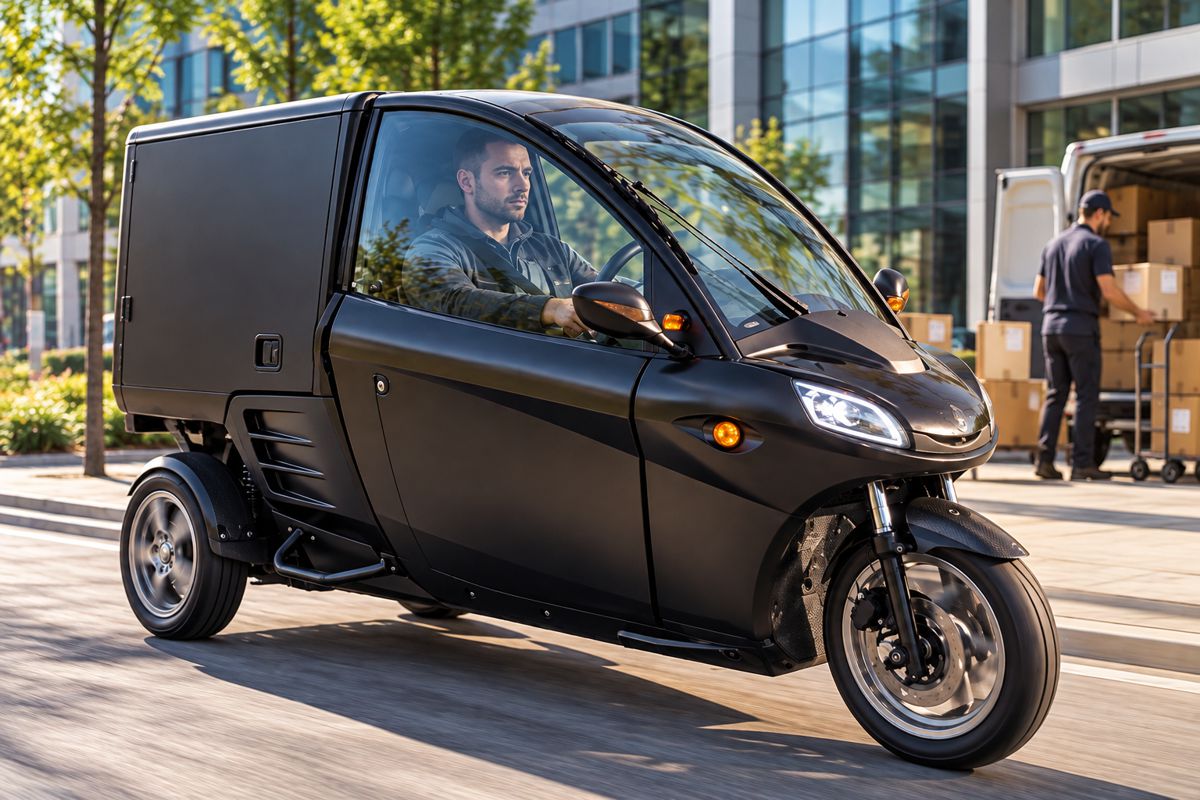
A new analysis published on October 3, 2026, highlights that Dutch cycleways face a significant test as the traffic mix shifts from traditional bicycles to heavier, faster light electric vehicles (LEVs) like fatbikes and cargo e-bikes. The research indicates that the existing infrastructure, designed primarily for human-powered bikes, is increasingly ill-equipped to handle the higher speeds and mass of these new vehicles, leading to heightened conflict and safety risks. This finding supports ongoing debates about separating different types of cyclists and redesigning paths to accommodate the "new normal" of electric mobility.
Local view
Racing.nl has issued urgent warnings to fatbike riders regarding the impending mandatory helmet rule, emphasizing that the regulatory landscape is shifting rapidly. The outlet notes that while the exact date for full enforcement is being clarified, the direction of travel is clear: safety compliance will become non-negotiable for high-risk groups. The article serves as a practical alert to consumers who may be unaware of the specific dates and legal consequences of non-compliance.

Context & numbers
- Road Deaths: 223 total road deaths in H1 2026 (up from 210 in H1 2025), with cyclists accounting for a significant portion of the increase.
- Helmet Mandate: The Dutch government is progressing with plans to introduce a mandatory helmet requirement for young riders on e-bikes and fatbikes, with implementation targeted for September 2027. This policy aims to reduce severe head injuries among minors, who are disproportionately affected by crashes involving high-speed e-bikes.
- Infrastructure Challenge: Traditional cycle paths are seeing increased usage by LEVs, which often exceed the speed and weight assumptions of original Dutch cycling design standards, creating new safety bottlenecks.
On the radar
- September 2027 Deadline: Keep an eye on legislative updates leading up to the proposed September 2027 start date for the mandatory helmet law for e-bike riders under 18.
- Municipal Budgets: With rising accident numbers, local municipalities are expected to announce new cycle path maintenance and redesign budgets in the coming weeks to address LEV-specific safety gaps.
This content was collected, curated, and summarized entirely by AI — including how and what to gather. It may contain inaccuracies. Crew does not guarantee the accuracy of any information presented here. Always verify facts on your own before acting on them. Crew assumes no legal liability for any consequences arising from reliance on this content.
Powered by
