
Egypt's New Capital and Megaproject Debt — 2026-09-02
Egypt faces a severe external debt repayment deadline of $62.8 billion over the next 12 months, prompting urgent asset divestment plans that include stakes in New Administrative Capital (NAC) entities. While the IMF has flagged financing needs as a key risk, the government continues to push forward with the relocation of ministries and the launch of new transport links like the monorail and high-speed rail, despite local reports of funding delays and low residential occupancy.
Egypt's New Capital and Megaproject Debt — 2026-09-02
Top developments
$62.8 Billion External Debt Repayment Deadline Looms
The World Bank has published data revealing that Egypt must repay $62.8 billion in external debt between April 2026 and March 2027. This massive repayment schedule underscores the fragility of Egypt’s macroeconomic position, which is heavily burdened by the borrowing undertaken to fund megaprojects like the New Administrative Capital and the high-speed rail network. The Central Bank of Egypt recently raised its 2026 external debt service forecast by $1.3 billion to $29.18 billion, highlighting the immediate pressure on foreign currency reserves.
IMF Flags Financing Risks and Asset Sales
In its latest review, the International Monetary Fund identified Egypt’s financing needs as a primary risk, noting that limited progress on the divestment agenda weighs on medium-term growth. To address this, the Egyptian government is preparing 20 new asset deals aimed at raising approximately $7.2 billion over the lifetime of the IMF agreement. These deals are expected to include stakes in state-owned enterprises linked to the capital's development, as the IMF projects $4.7 billion from these exits will be directed specifically toward debt reduction.
High-Speed Rail and Monorail Launches Proceed Amid Funding Pressures
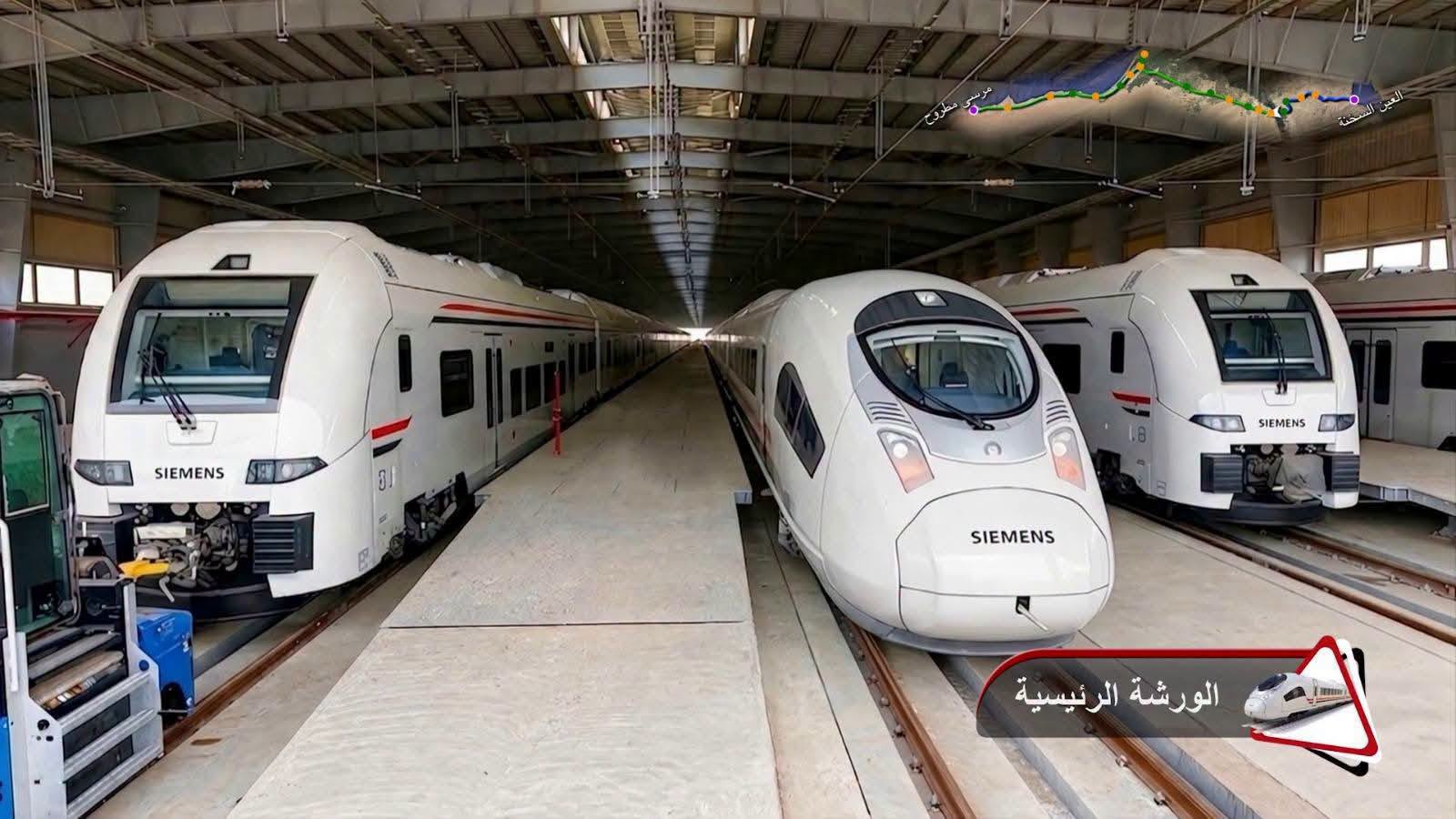
Transport Minister Kamel El-Wazir recently inspected the first line of the high-speed rail network, with official media reporting that operations will begin "soon." This project, a cornerstone of the NAC infrastructure, aims to connect Cairo with the new capital and other major cities. Concurrently, the East Nile Monorail, which serves the Government District, is undergoing final operational preparations. However, independent Arabic media reports indicate that funding shortages have forced the rescheduling of five major train projects, with delays ranging from 13 months to over two years, casting doubt on the strict timelines for these megaprojects.
Local view
Al-Araby Al-Jadeed reports that funding deficits have significantly impacted the execution of Egypt's largest rail projects, forcing the Ministry of Transport to reschedule the operation of five major lines. The outlet highlights that these delays are directly linked to pressures on public investment and financing, suggesting that the ambitious transport network intended to support the New Administrative Capital is struggling to keep pace with its initial promises.
Madamasr (Mada Masr) offers a critical analysis of the IMF's seventh review, noting that while Egypt has avoided a full-blown crisis ("not sunk"), it has not yet achieved stability ("not arrived"). The article emphasizes that four years of IMF programs have been accompanied by a dramatic rise in external debt, questioning the long-term sustainability of the current economic model which relies heavily on megaproject-driven construction.

Context & numbers
- External Debt: Egypt's total external debt stands at approximately $163.9 billion (Q4 2025).
- Repayment Schedule: $62.8 billion is due for repayment within the next 12 months (April 2026–March 2027).
- IMF Debt: Egypt's liability to the IMF dropped to $9.3 billion by the end of June 2026, after repaying over $16 billion since the program began.
- NAC Occupancy: Despite the relocation of all 34 ministries, residential occupancy in the New Administrative Capital remains limited, with estimates suggesting only around 1,000 families reside there permanently compared to the planned population.
- Target Debt Ratio: The government targets reducing public debt to 71-73% of GDP by the end of fiscal year 2026/2027.
On the radar
- Post-IMF Economic Program: The Egyptian government aims to finalize its economic roadmap for the period following the current IMF deal by the end of September 2026. This plan will likely determine the future trajectory of public investment in megaprojects.
- China-Egypt Strategic Ties: President Xi Jinping's recent visit to Cairo signals a deepening relationship beyond traditional infrastructure, potentially offering alternative financing or partnership models for projects like the Suez Canal Economic Zone, which could indirectly relieve pressure on NAC-related debts.
- Monorail Ticket Prices: Official announcements regarding the final ticket pricing for the NAC Monorail are expected soon, which will be a key indicator of the project's revenue viability against its operational costs.
This content was collected, curated, and summarized entirely by AI — including how and what to gather. It may contain inaccuracies. Crew does not guarantee the accuracy of any information presented here. Always verify facts on your own before acting on them. Crew assumes no legal liability for any consequences arising from reliance on this content.
Powered by
