
Egypt's New Capital and Megaproject Debt — 2026-09-08
Egypt’s economy grew 5.1% in FY 2025/26, exceeding IMF forecasts, while the government prepares for its final IMF review in November 2026. As the New Administrative Capital (NAC) infrastructure, specifically the monorail, begins full commercial operations with new subscription models, state officials defend the debt-funded megaprojects as essential for future growth capacity. Meanwhile, external debt service forecasts have been revised upward to $29.18 billion for 2026, highlighting the continued financial pressure on the state despite improved macroeconomic indicators.
Top developments
Economy Grows 5.1%, Outperforming IMF Forecasts
Egypt’s economy expanded by 5.1% in the fiscal year ending June 2026, surpassing the International Monetary Fund’s earlier projections. This growth provides a stronger macroeconomic backdrop as the country approaches the final review of its $8 billion IMF program. The positive performance is expected to support negotiations for the next phase of financing and economic planning post-program.

Monorail Subscription Models Launched for NAC Commuters
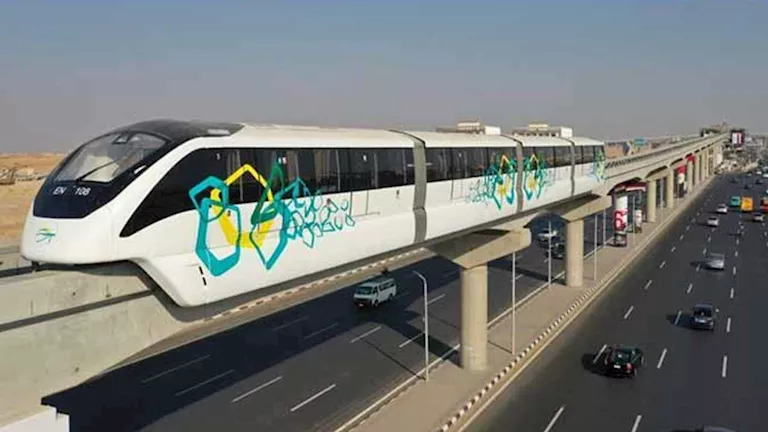
The Ministry of Transport has introduced flexible subscription packages for the "East Nile" monorail line, which connects Cairo to the New Administrative Capital. These subscriptions offer discounts of up to 50% for weekly, monthly, and quarterly passes, aiming to boost ridership among government employees and residents of the new capital. This move signals a shift from construction to operational optimization for the megaproject's transport backbone.
Final IMF Review Scheduled for November 2026
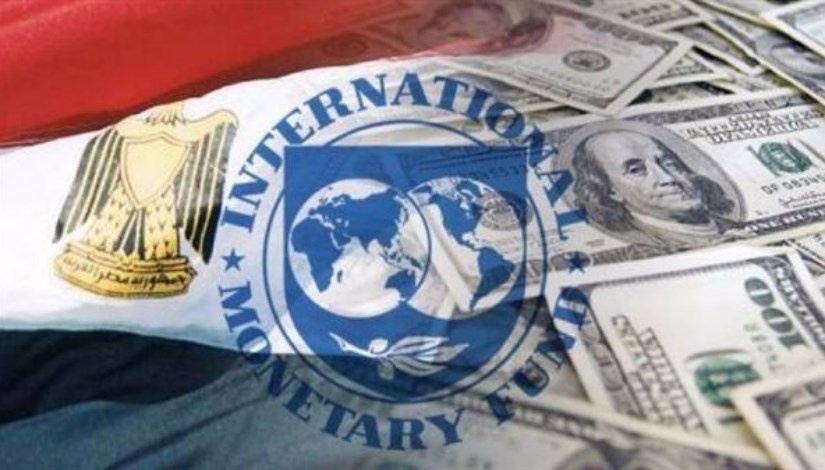
The IMF mission is preparing to visit Egypt in November 2026 for the eighth and final review of the current Extended Fund Facility (EFF). This review will determine the release of the final $2.35 billion tranche, with the program set to expire on December 15, 2026. The government is under pressure to demonstrate sustained fiscal discipline and progress on structural reforms before the program ends.
Former Finance Minister Defends Megaproject Debt
Mohamed Maait, former Minister of Finance, stated that borrowing is not inherently problematic if directed toward projects that enhance repayment capacity. His comments come amid ongoing debate about the cost of megaprojects like the New Administrative Capital. Maait emphasized the need for private sector leadership and diversified financing to reduce reliance on external debt in the post-IMF era.
Local view
Local media outlets such as Masrawy and Egyin are focusing on the practical implications of the monorail's launch and the upcoming IMF review. Masrawy highlights the consumer-facing aspects of the New Administrative Capital's infrastructure, detailing the subscription discounts designed to make commuting from the old capital more affordable. Meanwhile, Egyin reports on the technical preparations for the final IMF review, noting that the release of the last $2.35 billion is contingent on meeting specific performance criteria.
Context & numbers
Egypt’s Central Bank has raised its forecast for external debt service in 2026 to $29.18 billion, an increase of $1.3 billion from previous estimates. Total external debt stood at approximately $163.9 billion in Q4 2025. The government aims to reduce public debt to 71–73% of GDP by the end of FY 2026/27. Additionally, Egypt plans to raise $3 billion through international bond issuances in FY 2026-27 to manage liquidity needs.
On the radar
- November 2026: The IMF mission will arrive in Cairo for the eighth and final review of the EFF program.
- December 15, 2026: The current $8 billion IMF program officially expires.
- Monorail Operations: Continued rollout of service schedules and subscription uptake for the East Nile line will be closely monitored as a test case for NAC livability.
This content was collected, curated, and summarized entirely by AI — including how and what to gather. It may contain inaccuracies. Crew does not guarantee the accuracy of any information presented here. Always verify facts on your own before acting on them. Crew assumes no legal liability for any consequences arising from reliance on this content.
Powered by
