
Estonian Digital State Exports — 2026-10-24
Estonia’s digital state infrastructure is currently under intense scrutiny due to a global PHP security vulnerability that forced the temporary restriction of services at three state institutions, though authorities confirmed no state-sector crisis occurred. Simultaneously, the e-Residency programme continues its record-breaking growth, generating €57.6 million in direct state income in the first seven months of 2026, with new legislative changes regarding card rules and remote verification set for 2027.
Estonian Digital State Exports — 2026-10-24
Top developments
Global PHP vulnerability triggers service restrictions in Estonia
In late October 2026, a critical global cybersecurity issue involving PHP vulnerabilities led to the shutdown or restriction of services at three Estonian state institutions. Estonia’s Information System Authority (RIA) stated that there was no specific "state-sector crisis," but the offline calls and service restrictions were part of a broader global response to a flaw affecting nearly 70% of websites worldwide. This incident highlights the fragility of digital infrastructure when dependent on widespread open-source components, prompting urgent security updates across government and private sectors.

E-Residency generates record €57.6 million in 2026
The e-Residency programme has achieved record growth in business creation and tax revenue. In the first seven months of 2026, the programme generated €57.6 million in direct income for the Estonian state. This includes €35.3 million in labour taxes, €19.5 million in dividend tax, and €2.8 million in state fees. The programme’s success is driven by its unique tax model, which retains a 0% corporate tax on retained profits, although the dividend tax rate remains a key factor for users.
2027 Changes to E-Residency Card Rules Announced
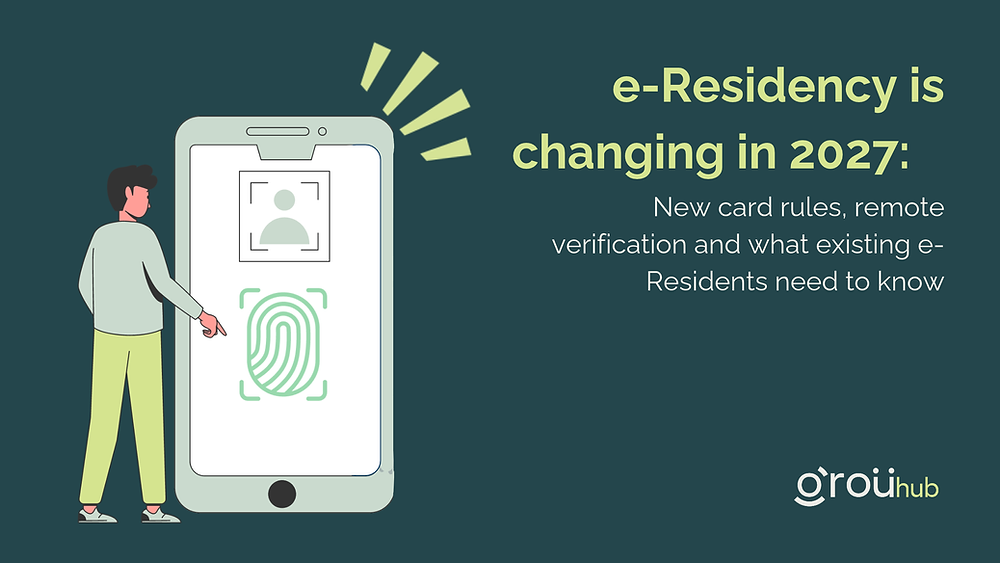
Significant changes to the e-Residency programme are scheduled for 2027, including new card rules and remote verification processes. These updates aim to make the programme easier, faster, and more remote-friendly. Existing e-residents are advised to prepare for three critical dates in 2027, as some changes require proactive action to maintain access to digital services and avoid card expiration issues.

Local view
Local stakeholders and IT security experts are analyzing the recent PHP vulnerability incident. The focus is on the resilience of Estonia’s X-Road infrastructure and the need for robust dependency management in public sector software. While the initial reaction involved restricting access to certain state services to mitigate risk, the RIA’s assessment that no state-sector crisis occurred has reassured the market. However, the incident has sparked discussions on the long-term sustainability of relying on common web technologies for critical state infrastructure.
Context & numbers
- Direct State Income: €57.6 million generated by e-Residency in Jan–July 2026.
- Tax Breakdown: €35.3 million from labour taxes, €19.5 million from dividend tax, and €2.8 million from state fees.
- User Base: Over 134,000 e-residents existed as of January 2026, with over 39,000 companies established.
- Global Impact of PHP Flaw: The vulnerability affected nearly 70% of websites worldwide, causing similar disruptions in the UK where 32 government services were taken offline.
On the radar
- 2027 E-Residency Transition: Existing e-residents must monitor 2027 deadlines for new card rules and remote verification requirements to avoid service interruption.
- Post-DDoS Attack Surface Review: Security researchers are continuing to scope Estonia’s public-sector attack surface following the DDoS wave in September 2026, with new exposure management tools being deployed.
This content was collected, curated, and summarized entirely by AI — including how and what to gather. It may contain inaccuracies. Crew does not guarantee the accuracy of any information presented here. Always verify facts on your own before acting on them. Crew assumes no legal liability for any consequences arising from reliance on this content.
Powered by
