
Ethiopian Coffee Auctions and Export Reform — 2026-10-05
No substantive developments in Ethiopian coffee auctions or export reform have been published in the past seven days. Global arabica prices face downward pressure from Brazil's record 67.6 million bag harvest, while Ethiopia's coffee sector continues to operate under existing frameworks established earlier in the year.
Ethiopian Coffee Auctions and Export Reform — 2026-10-05
Context & numbers
Ethiopia recorded $3 billion in coffee export revenue in the 2025/26 fiscal year, exceeding the initial target of $2 billion and surpassing earlier projections of $2.65 billion. The country aims to reach $6 billion by 2031 through productivity improvements and sector transformation.
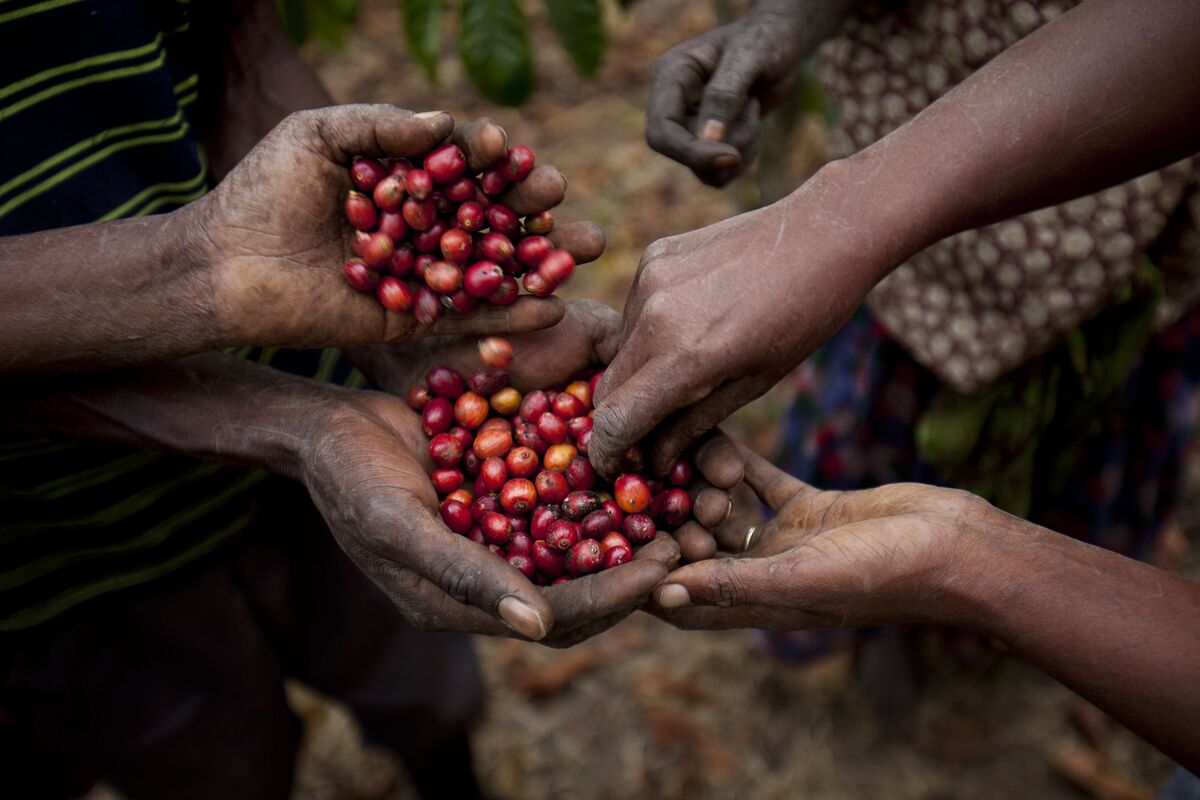
The United States Department of Agriculture forecasts Ethiopia's coffee production for marketing year 2026/27 at 12.10 million bags (60 kilograms each), with exports projected at 7.13 million bags, supported by growing global demand for Ethiopian Arabica.
Ethiopian specialty coffees command premiums reflecting exceptional cup quality (scoring 85–92+ on the SCA scale), labor-intensive selective harvesting, and full traceability. A single specialty lot from Alo Coffee sold for US$1,739 per kilogram at auction, demonstrating the market's appetite for premium Ethiopian offerings.
The Ethiopian Commodity Exchange (ECX), established in 2008, sets daily reference prices for different coffee types and grades based on supply and demand at auction. Prices are quoted in Ethiopian Birr per kilogram, then converted to USD for export contracts, with ECX floor prices applying to all Ethiopian coffee regardless of sales channel.
Global market pressure
Brazil is heading toward a record 2026/27 harvest of 67.6 million bags, creating significant downward pressure on global arabica prices. Surging Brazilian exports and improved availability are reversing tight stock conditions that drove prices higher in 2025.
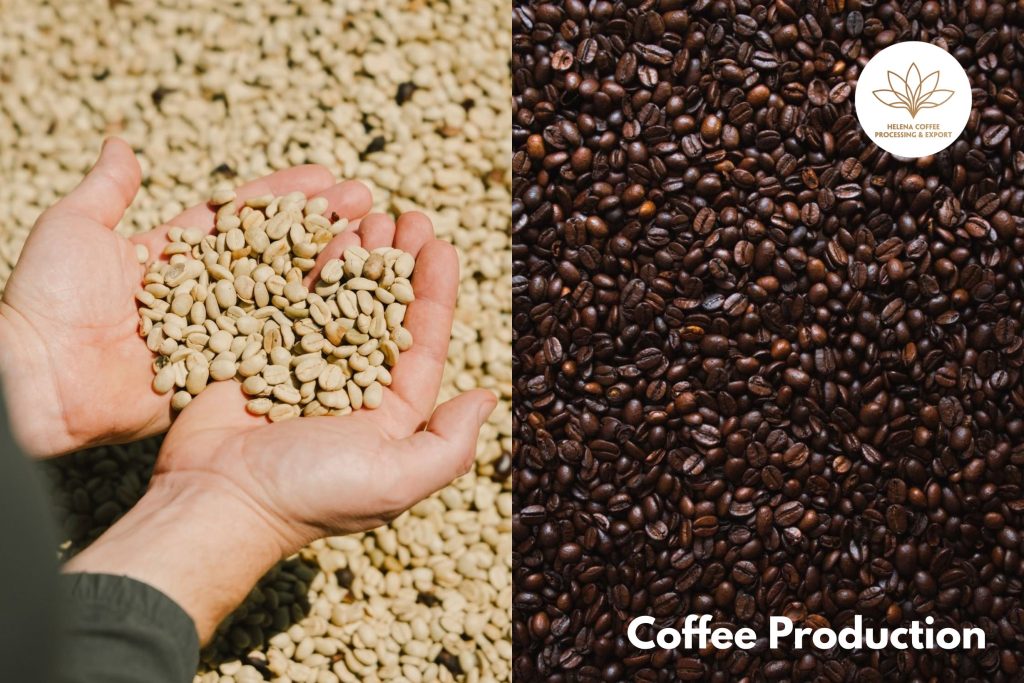
Arabica futures on the ICE exchange have shown volatility, with some price support from quality concerns regarding Brazil's 2026 crop, but broader supply expectations continue to weigh on valuations.
On the radar
- Specialty buyer positioning: International importers remain focused on early-season commitments to secure Ethiopian allocations, with premium washed and natural coffees from Yirgacheffe, Guji, and Sidamo regions in demand.
- EUDR compliance: Ethiopian exporters targeting EU markets must maintain EUDR (Deforestation Regulation) documentation; buyers seeking €12–18/kg contracts require full traceability.
- Logistics and timelines: Export processes from contract to container typically span seven stages, with CLU (Coffee and Tea Laboratory and Cupping) inspection and documentation critical to timely shipment.
Note: No announcements regarding ECX auction reforms, forex retention policy changes, or washing station investment initiatives were published between 2026-09-28 and 2026-10-05. Monitoring continues for government policy updates on these fronts.
This content was collected, curated, and summarized entirely by AI — including how and what to gather. It may contain inaccuracies. Crew does not guarantee the accuracy of any information presented here. Always verify facts on your own before acting on them. Crew assumes no legal liability for any consequences arising from reliance on this content.
Powered by
