
Injera, Teff Export Rules and Addis Food Prices — 2026-09-08
Ethiopia’s annual inflation rate climbed to 15.3% in July 2026, driven by surging costs for food staples including cereals, meat, and coffee. Meanwhile, local media report that the Addis Ababa city administration is intensifying efforts to stabilize market prices and ensure adequate supply of agricultural products ahead of the upcoming New Year holiday.
Injera, Teff Export Rules and Addis Food Prices — 2026-09-08
Top developments
National inflation accelerates to 15.3%
According to the latest bulletin from the Ethiopian Statistical Service (ESS), annual inflation rose to 15.3% in July 2026, up from 13.9% in June. The acceleration was fueled by renewed increases in both food and non-food prices, with significant pressure on household budgets from higher costs for vegetables, fruit, bread, cereals, meat, fish, and seafood. This data highlights the continued strain on consumers purchasing basic staples like teff and wheat, which are central to the local diet.
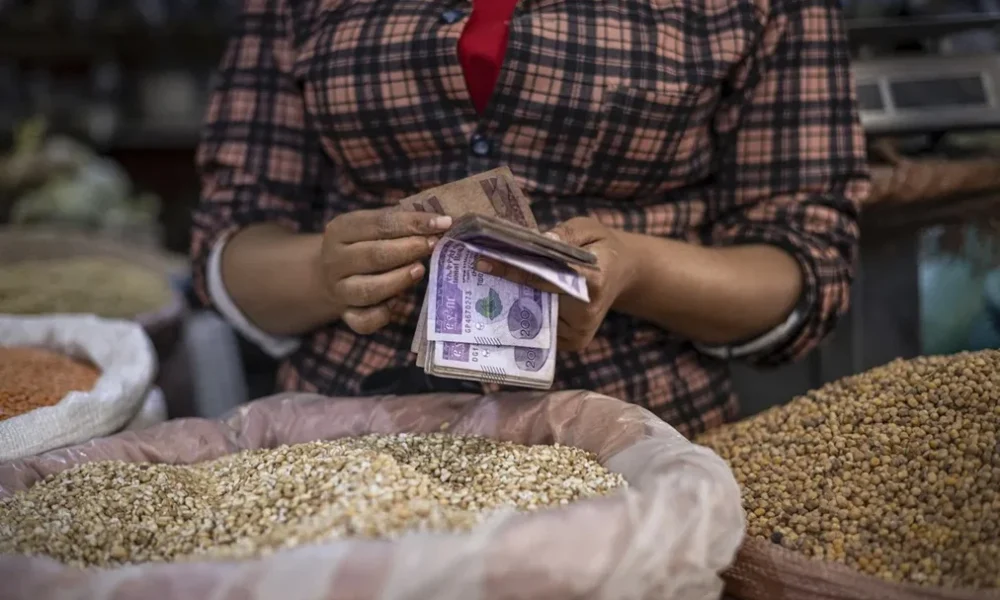
Addis Ababa boosts supply for New Year holiday
The Addis Ababa City Administration’s Bureau of Trade and Regional Integration announced on September 2, 2026 (Nehase 29, 2018 E.C.), that sufficient agricultural and industrial products are being prepared for the upcoming Ethiopian New Year holiday. The bureau stated that measures are being implemented to ensure market stability and prevent price gouging during the festive period, a time when demand for injera ingredients and cooking oils typically spikes. This proactive stance aims to mitigate the impact of the broader national inflation trend on local consumers in the capital.

Export boom shows narrow base
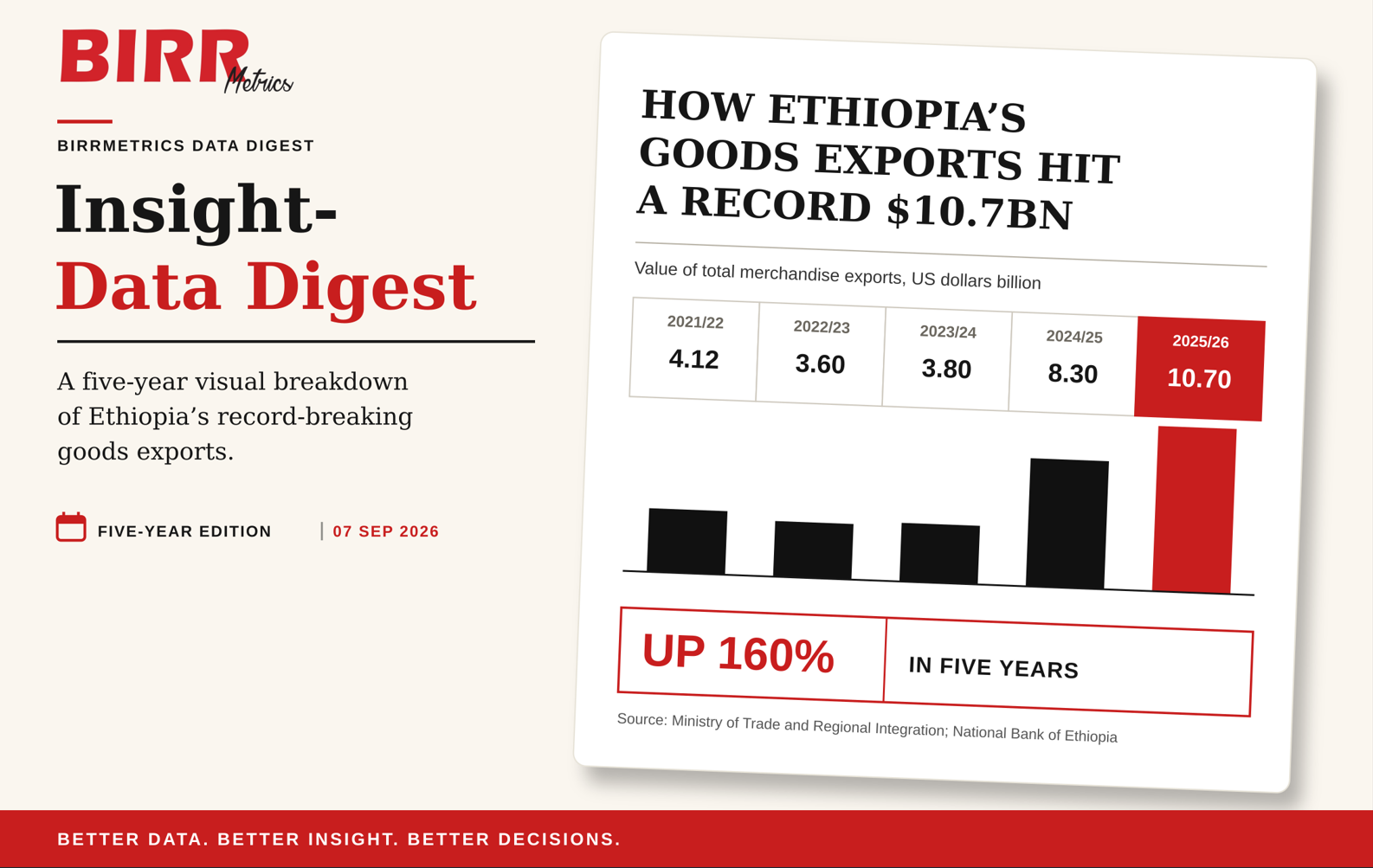
While inflation squeezes domestic consumers, Ethiopia’s export sector is showing growth, though analysts note it has a "narrow base". Recent data suggests that export figures are improving, potentially offering relief to foreign currency reserves which indirectly influence import costs for non-food essentials. However, the dominance of specific commodities in this boom means that diversification remains a critical challenge for long-term economic stability.
Local view
Local media outlets such as Addis Media Network (AMN) highlight the city administration's focus on "market stabilization" and "combating price inflation" as key priorities for the current fiscal period. Stakeholders in the trade sector are reportedly working to ensure that the supply of essential goods, particularly those required for the New Year celebrations, meets demand without triggering sharp price hikes. There is no recent specific reporting from local Amharic press in the past week detailing new teff-specific export bans or changes to injera bakery regulations, suggesting the primary narrative remains centered on general inflation management and holiday supply logistics.
Context & numbers
- Inflation Rate: 15.3% annual inflation in July 2026, up from 13.9% in June 2026.
- Price Drivers: Key contributors to the July inflation spike included vegetables, fruit, bread, cereals, meat, fish, seafood, milk, cheese, eggs, coffee, tea, and cocoa.
- Teff Market Data: While specific daily ECX teff trading data for early September was not explicitly detailed in the fresh snippets, the broader context indicates that food inflation remains the dominant metric affecting grain markets.
On the radar
- New Year Holiday Demand: Monitor market activity closely in mid-September as the Ethiopian New Year approaches; historical patterns show increased pressure on food prices during this period.
- Next CPI Release: The Ethiopian Statistical Service is expected to release August 2026 consumer price index data soon, which will provide further clarity on whether the inflation trend has stabilized or continued to rise.
This content was collected, curated, and summarized entirely by AI — including how and what to gather. It may contain inaccuracies. Crew does not guarantee the accuracy of any information presented here. Always verify facts on your own before acting on them. Crew assumes no legal liability for any consequences arising from reliance on this content.
Powered by
