
Injera, Teff Export Rules and Addis Food Prices — 2026-09-02
Ethiopia’s annual inflation rate surged to 15.3% in July 2026, driven by rising food costs, while the Ethiopian Birr faced significant pressure from a collapse in forex auction participation. Meanwhile, academic research highlights ongoing efforts to secure European Union Geographical Indication status for Ethiopian teff, aiming to protect the grain’s value in global markets.
Injera, Teff Export Rules and Addis Food Prices — 2026-09-02
Top developments
Inflation Hits 15.3% as Food Costs Soar
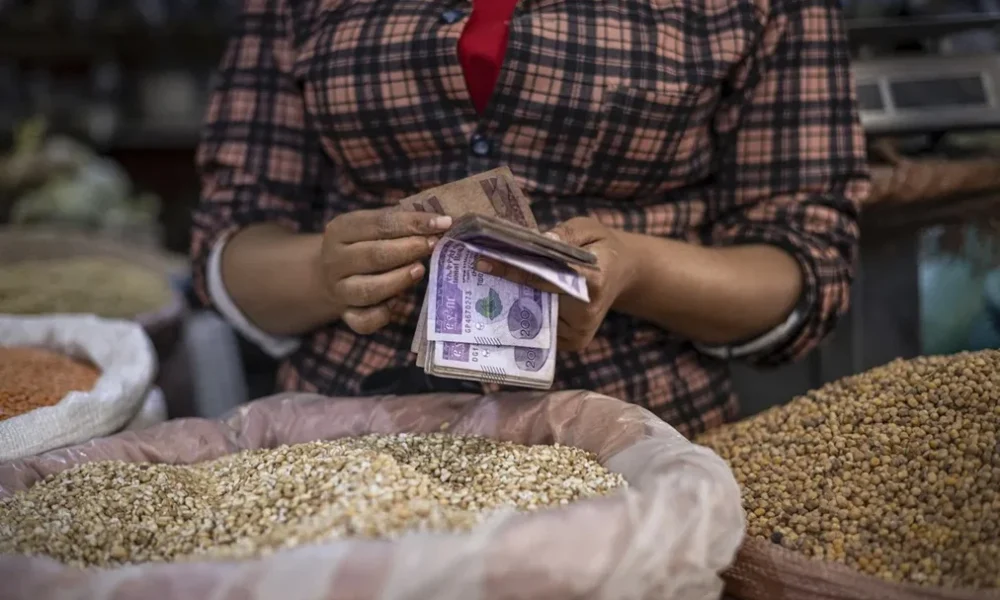
Ethiopia’s annual inflation rate accelerated to 15.3 percent in July 2026, up from 13.9 percent in June, according to the Ethiopian Statistical Service (ESS). The increase was driven by renewed rises in both food and non-food prices, with sugar and coffee specifically noted as major contributors to the surge. This high inflation rate directly impacts household budgets for staple foods like injera and cereals in Addis Ababa and other regions.
Forex Auction Participation Collapses
The number of banks participating in Ethiopia’s foreign exchange auctions dropped dramatically from 28 bidders on August 12 to just five on August 26. Total bids fell from US$470.17 million to US$170.51 million over this two-week period. This sharp decline signals severe liquidity constraints and currency instability, which complicates the import of inputs for agriculture and the export logistics for commodities like teff.

Teff GI Status Pushed for EU Markets
A new study published in Foods journal explores the potential for promoting Ethiopian teff flour under the European Union’s Geographical Indications (GI) framework. The research outlines how GI recognition could protect the origin and quality of teff, potentially stabilizing prices and enhancing market access for Ethiopian exporters in Europe. This move aims to leverage teff’s "superfood" status while addressing past concerns about export bans affecting domestic supply.

Local view
Local media outlets such as Addis Media Network have reported on government efforts to stabilize markets in Addis Ababa. These initiatives aim to counter price volatility and ease the cost of living for residents facing high inflation. While specific teff export policy changes were not detailed in local reports this week, the focus remains on domestic market regulation and supply chain management to ensure food security.
Context & numbers
As of August 2026, the average retail price of teff in Ethiopia was reported at approximately US$ 1.65 per kg (89.32 ETB), representing a 15.3% year-on-year increase. Wholesale transaction data from earlier in 2026 showed prices ranging between $1.91 and $2.40 per kg, indicating volatility in the supply chain. The Ethiopian Commodity Exchange (ECX) continues to facilitate trading, with recent session data showing active bidding on various grain contracts, though specific weekly quintal prices for teff are updated dynamically on their platform.
On the radar
- EU GI Application Progress: Stakeholders should monitor official updates from the Ethiopian Ministry of Trade regarding the formal submission or advancement of the Geographical Indication application for teff flour in the EU.
- Forex Liquidity Measures: Watch for any emergency interventions by the National Bank of Ethiopia to restore confidence in the forex auction system following the drop in bank participation.
- Harvest Season Impact: With the main harvest season approaching, attention will shift to how new teff yields impact domestic prices and whether the government adjusts export quotas to balance foreign currency earnings with local food security.
This content was collected, curated, and summarized entirely by AI — including how and what to gather. It may contain inaccuracies. Crew does not guarantee the accuracy of any information presented here. Always verify facts on your own before acting on them. Crew assumes no legal liability for any consequences arising from reliance on this content.
Powered by
