
Injera, Teff Export Rules and Addis Food Prices — 2026-10-23
Ethiopia’s inflation rate eased slightly to 14.9% in September 2026, but food prices remain under severe pressure with sugar, honey, and chocolate surging 39.8% annually. Meanwhile, the diaspora teff industry is expanding rapidly, highlighted by a recent $5 million investment in Lovegrass Ethiopia to scale production for global markets, even as domestic concerns about export restrictions and local supply persist.
Injera, Teff Export Rules and Addis Food Prices — 2026-10-23
Inflation Eases Slightly but Sweetener Costs Soar
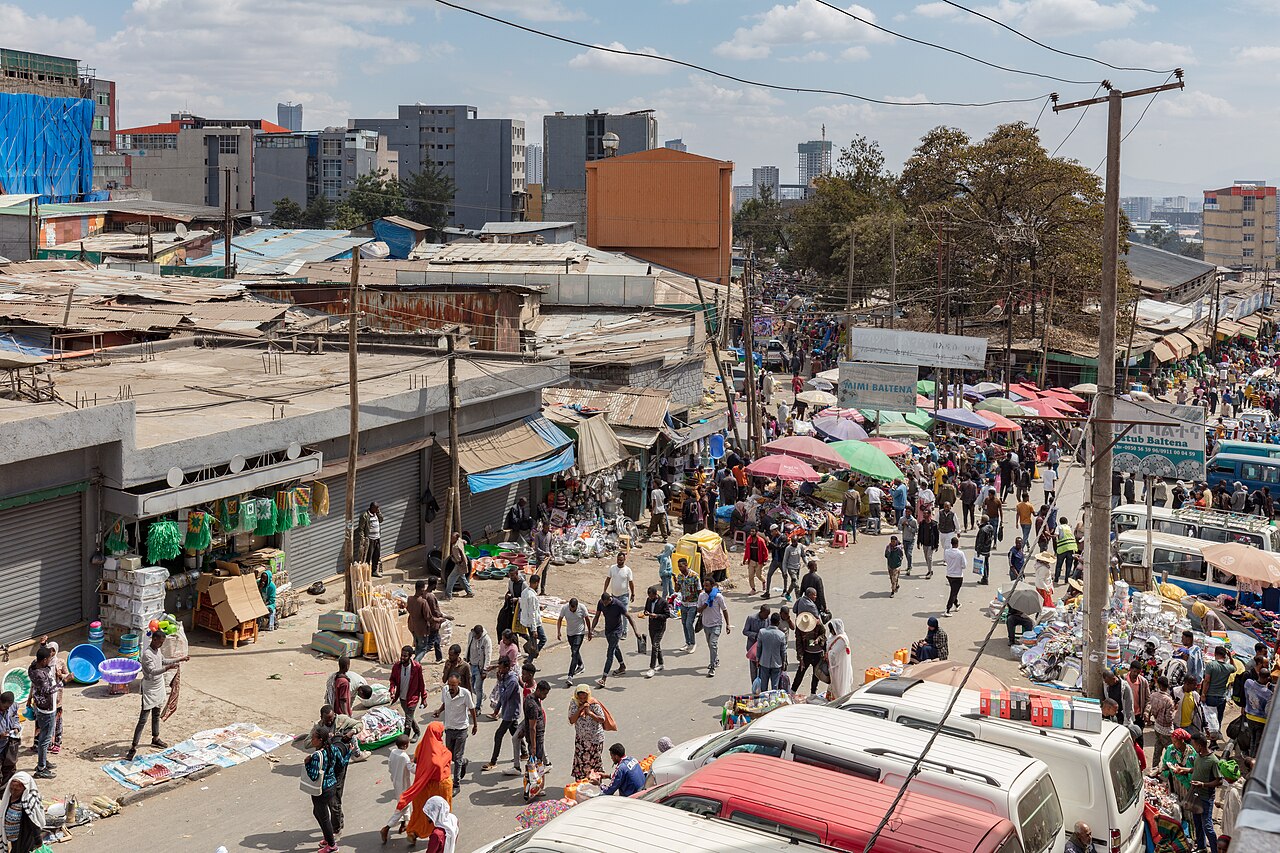
Ethiopia’s annual inflation rate slowed to 14.9% in September 2026, down from 15.1% in August, marking the second consecutive month of easing. Despite this marginal improvement, the cost of living remains high, particularly for essential food items. Sugar, honey, and chocolate prices recorded the highest annual increase among major commodities, rising by 39.8% compared to September 2025.

The easing inflation was driven by slight dips in the prices of vegetables (11.4% vs 12.1%) and meat (22% vs 22.6%), yet food and non-alcoholic beverage inflation remains at 14.8%. This persistent food inflation continues to squeeze household budgets in Addis Ababa and other major urban centers, complicating the affordability of staple goods like injera ingredients.
Diaspora Industry Expands with Major Investment
The global market for teff-based products is gaining commercial momentum, underscored by a significant financial injection into the sector. British International Investment (BII) recently provided $5 million in financing to Lovegrass Ethiopia to expand the production of teff-based foods for both domestic and international markets. This investment signals growing confidence in teff’s status as a global "superfood" and highlights the potential for export-led growth despite historical regulatory debates.
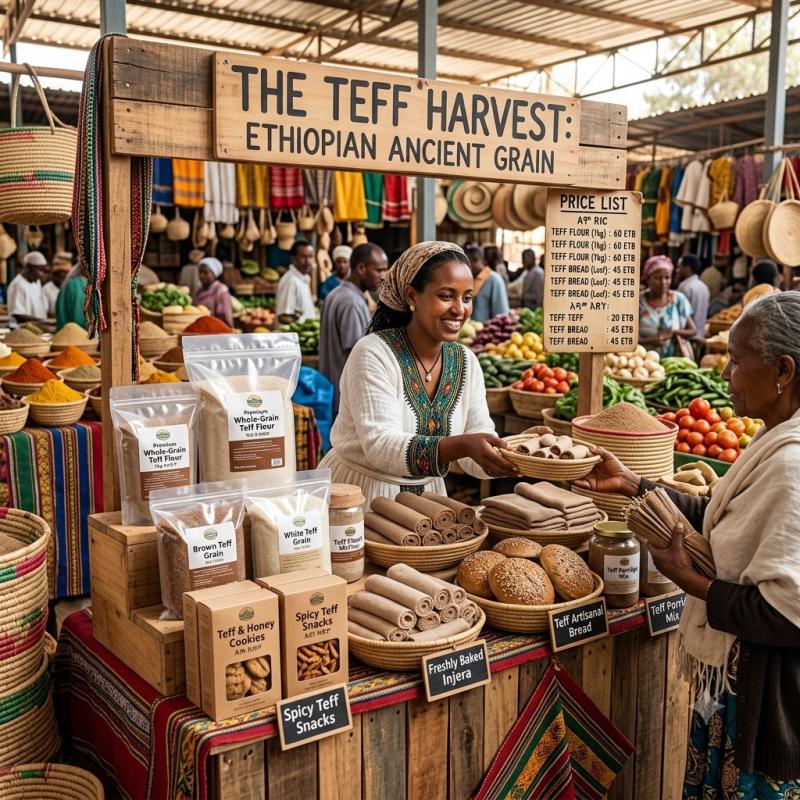
While domestic policy has historically restricted raw teff exports to protect local food security, the focus is increasingly shifting toward value-added products that can command higher prices abroad. This trend offers a pathway for local farmers to benefit from global demand without directly impacting the supply of raw grain for injera production in Ethiopia.
Local Market Dynamics and Agricultural Shifts
Local media reports indicate that structural changes in agriculture are driving production improvements, which may eventually stabilize prices. Fana Media Corporation highlighted that Ethiopia’s recent structural shifts in the agricultural sector have significantly boosted output, a trend that could help mitigate long-term inflationary pressures on food staples.

In Addis Ababa, efforts to stabilize consumer costs are ongoing, with local authorities promoting sales of goods at 15% to 20% below standard market prices through designated market centers. These interventions aim to provide immediate relief to consumers facing high quintal prices for grains and other essentials.
On the Radar
- Global Teff Demand: The expansion of teff-based food products abroad continues to challenge the traditional narrative of export bans, with new investments focusing on processed goods rather than raw grain exports.
- Seasonal Harvest Impact: As the main harvest season progresses, market analysts are watching for potential price corrections in teff and other cereals, which could influence the final inflation figures for Q4 2026.
- Policy Stability: Stakeholders are monitoring for any new regulatory adjustments from the Ministry of Trade and Regional Integration regarding the balance between export incentives for processed goods and domestic food security mandates.
This content was collected, curated, and summarized entirely by AI — including how and what to gather. It may contain inaccuracies. Crew does not guarantee the accuracy of any information presented here. Always verify facts on your own before acting on them. Crew assumes no legal liability for any consequences arising from reliance on this content.
Powered by
