
Faroe Islands Fisheries and Quota Diplomacy — 2026-09-02
Faroe Islands-based salmon giant Bakkafrost reported a record Faroese harvest in Q2 2026, driving operational profits up fourfold despite Scottish losses. Meanwhile, Iceland’s rejection of EU accession talks on August 30 reinforces the regional stance on fisheries sovereignty, impacting broader Northeast Atlantic quota dynamics.
Faroe Islands Fisheries and Quota Diplomacy — 2026-09-02
Top developments
Bakkafrost Reports Record Faroese Harvest in Q2 2026
On August 31, 2026, Bakkafrost announced its Q2 results, highlighting a record harvest of 26,749 tonnes in the Faroe Islands, a 67% increase year-on-year. This surge drove the company's operating profit to DKK 273 million, compared to DKK 65 million in the same period last year. While the Faroese operations performed strongly, the company reported continued losses in Scotland due to biological challenges and lower volumes, causing its stock to slide 7.6% following the earnings call.

Iceland Rejects EU Accession Talks to Protect Fishing Rights
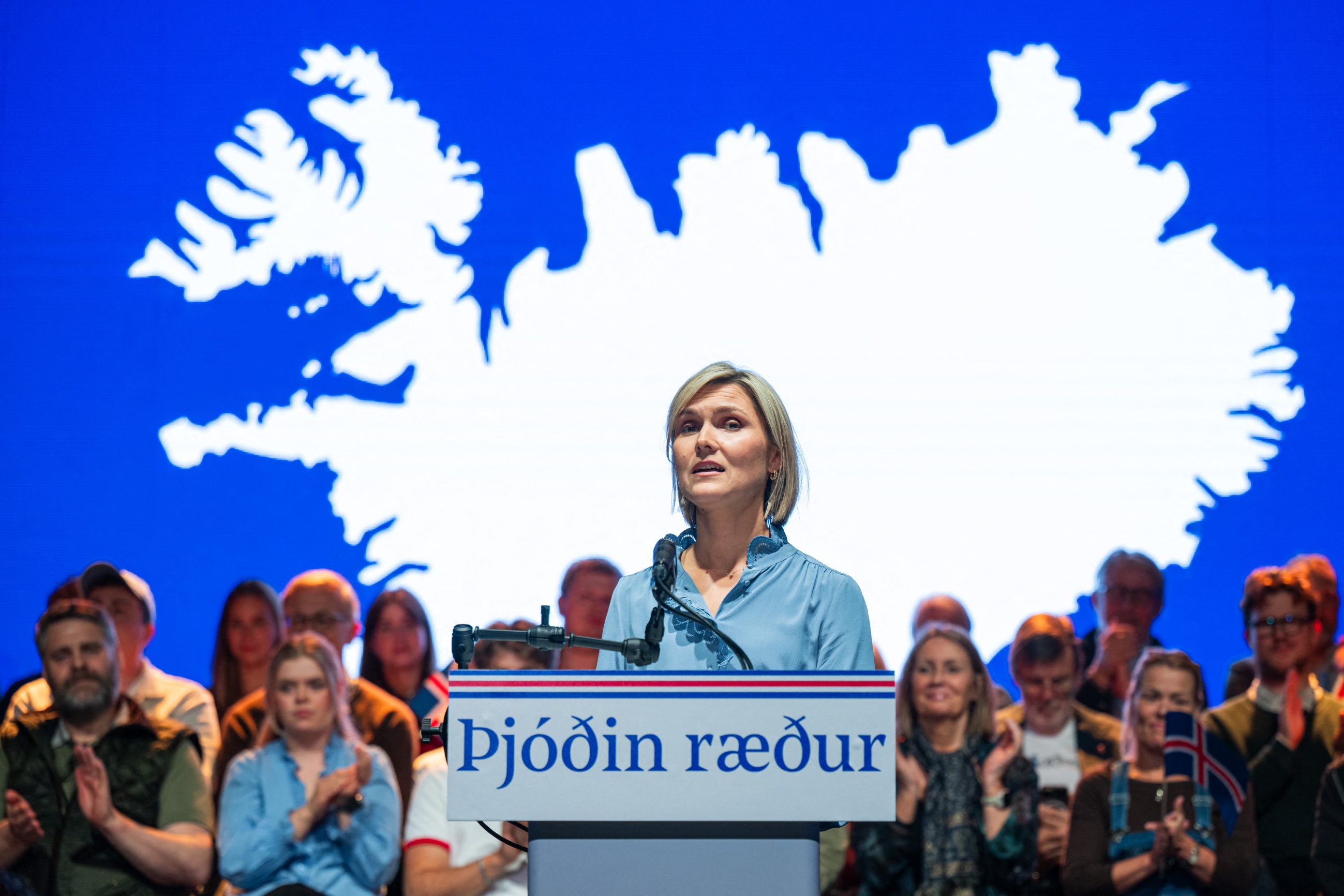
On August 30, 2026, Icelandic voters rejected reopening EU accession negotiations by 52.5% to 47.5%, prioritizing sovereignty over exclusive fishing zones. The result underscores the political power of coastal communities and the fishing industry in the North Atlantic, reinforcing the region's resistance to centralized quota management from Brussels. This outcome aligns with the Faroe Islands' long-standing position outside the EU's Common Fisheries Policy, preserving their ability to negotiate bilateral quota deals with nations like Norway and the UK.
Norwegian Authorities Warn Mackerel Fleet Over Highgrading
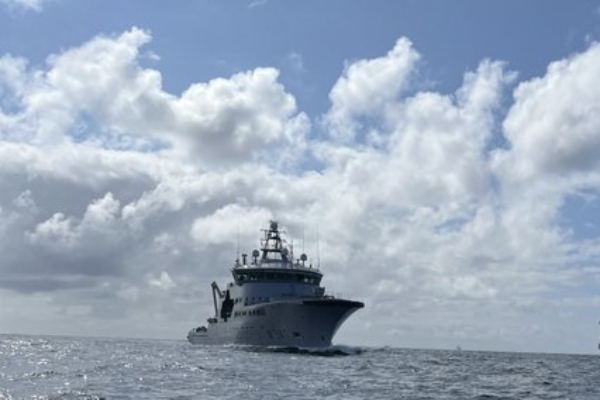
Norwegian authorities issued warnings to the mackerel fleet regarding highgrading risks as fishing begins under a sharply reduced quota framework. This enforcement action highlights the strict control environment affecting all North Atlantic coastal states, including the Faroe Islands, which share mackerel stocks. The reduced quotas, agreed upon by the four coastal states (UK, Norway, Faroe Islands, Iceland) for 2026, have intensified scrutiny on compliance and landing practices across the region.
Poor Tobis Season Raises Questions on Quota Management
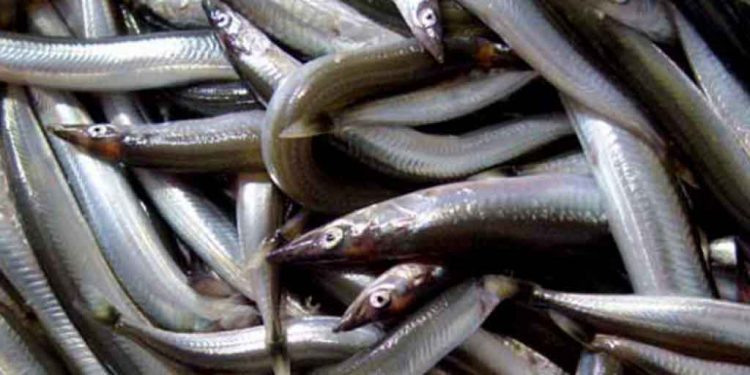
The 2026 tobis (sand eel) season concluded with a historically low utilization rate of just 36.4%, with Danish and Norwegian vessels landing only 35,489 tonnes of a 97,345-tonne European quota. While this primarily affects the North Sea and Skagerrak areas, it raises broader questions about the value and management of shared quotas in the Northeast Atlantic, a key concern for Faroese policymakers who monitor regional stock health and access rights.
Local view
Local Faroese media and industry analysts are focusing heavily on Bakkafrost's performance as a bellwether for the islands' aquaculture sector. The record Faroese harvest is seen as a validation of local farming conditions, contrasting sharply with the difficulties faced in Scotland. Additionally, the Iceland referendum is being watched closely in Tórshavn as a reinforcement of the "North Atlantic model" where coastal states retain control over their resources, resisting EU integration pressures that could dilute national quota shares.
Context & numbers
- Bakkafrost Q2 Harvest: 26,749 tonnes in Faroe Islands (+67% YoY); 3,145 tonnes in Scotland.
- Bakkafrost Operating Profit: DKK 273 million in Q2 2026 (up from DKK 65 million).
- Mackerel Quota: The 2026 Total Allowable Catch (TAC) for mackerel was set at 299,010 tonnes by the four coastal states (UK, Norway, Faroe Islands, Iceland), a reduction from previous years.
- Faroese Mackerel Share: Approximately 12% of the total quota after bilateral exchanges.
- Iceland Referendum Result: 52.5% "No" to starting EU accession talks; 47.5% "Yes".
On the radar
- Q3 Harvest Guidance: Investors will be watching for updated guidance on the remainder of 2026, particularly whether the strong Faroese biological performance can offset continued Scottish weaknesses.
- EU-Faroe Relations: Despite the Iceland vote, tensions remain between the EU and Faroe Islands over unilateral quota decisions, with recent EU Council statements expressing deep concern over sustainability impacts.
- Autumn Herring Season: Preparations are underway for the autumn herring season, which typically sees significant activity in Faroese waters and involves complex quota exchanges with Norway and Iceland.
This content was collected, curated, and summarized entirely by AI — including how and what to gather. It may contain inaccuracies. Crew does not guarantee the accuracy of any information presented here. Always verify facts on your own before acting on them. Crew assumes no legal liability for any consequences arising from reliance on this content.
Powered by
