
Faroe Islands Fisheries and Quota Diplomacy — 2026-09-15
Recent diplomatic efforts between the Faroe Islands and the EU have resulted in an agreement to hold regular meetings, though Tórshavn failed to secure immediate commitments for improved market access for processed seafood. Concurrently, the Faroese pelagic fleet has reported strong mackerel landings, with eight vessels landing over 2,600 tons in a single week, primarily in Norwegian waters. These developments occur against a backdrop of continued EU criticism regarding the Faroe Islands' unilateral quota setting and recent sanctions against Russian fishing firms.
Faroe Islands Fisheries and Quota Diplomacy — 2026-09-15
Top developments
Faroes and EU Agree to Regular Meetings Without Trade Concessions
On September 8, 2026, the Faroe Islands and the European Union agreed to establish regular meetings to discuss fisheries and trade relations. However, Faroese Prime Minister Aksel V. Johannesen did not secure a commitment from European Commission President Ursula von der Leyen for better market access for processed seafood products. This outcome underscores the ongoing friction between the islands' desire for economic integration and the EU's strict adherence to existing trade frameworks, leaving the Faroe Islands reliant on bilateral agreements rather than broader EU access.

Strong Mackerel Landings Highlight Access Dependency
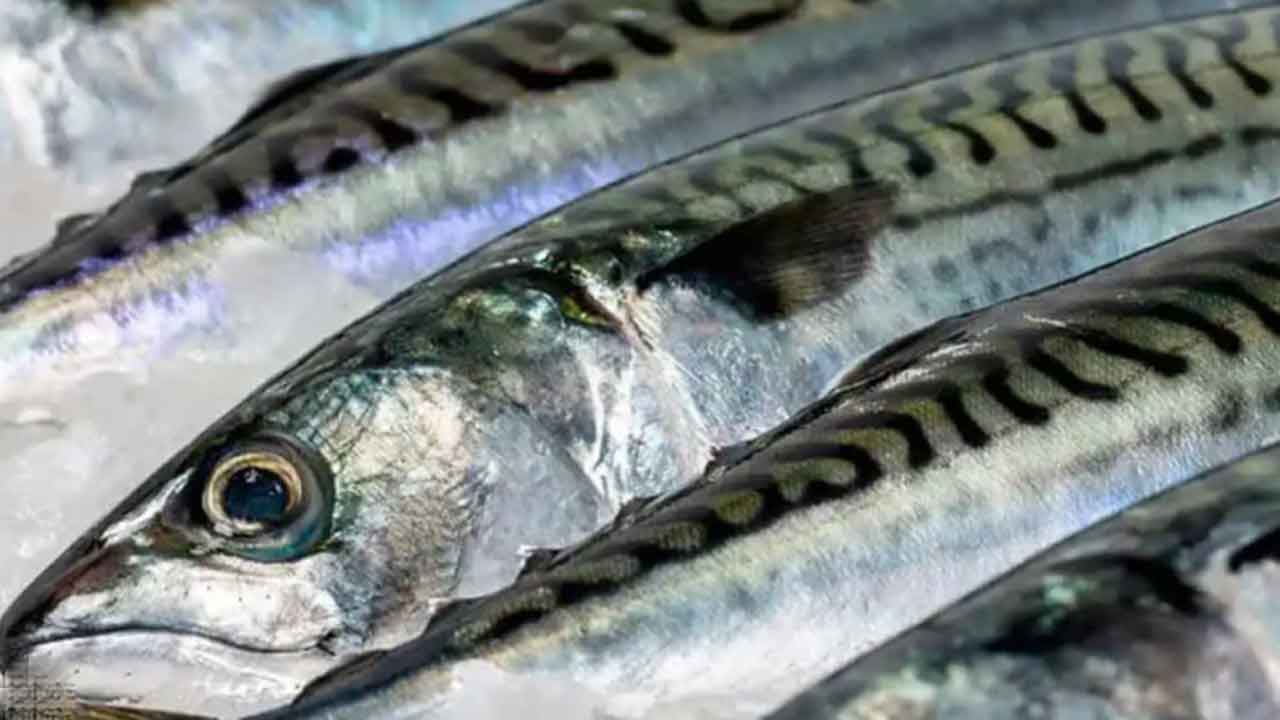
The Faroese pelagic fleet has experienced a surge in mackerel catches, with eight vessels landing more than 2,600 tons in just one week. The majority of these landings occurred in Norwegian waters, illustrating the critical importance of access rights to neighboring coastal states' Exclusive Economic Zones (EEZs) alongside quota shares. This activity reinforces the strategic necessity of maintaining robust bilateral agreements with Norway and other partners, as domestic waters alone cannot sustain the current volume of industrial fishing.
Bakkafrost Reports Strong Q2 Performance and Updated Guidance
Bakkafrost, the leading Faroese salmon producer, reported strong performance in its Faroese operations during the second quarter of 2026, driven by record harvest volumes and favorable biological conditions. While the company missed some overall profit forecasts due to persistent losses in its Scottish operations, the Faroese segment remains highly profitable. Management maintained their raised 2026 harvest guidance of 97,000 tonnes, citing low feed conversion ratios and low mortality rates in the Faroe Islands as key drivers of this success.
Local view
FiskerForum reports that the current mackerel fishery is not just about quota shares but fundamentally about access to fishing grounds. The outlet highlights that while the catch volumes are high, the dependency on Norwegian waters exposes the fleet to diplomatic risks if bilateral access agreements are not renewed or expanded. The local industry views the EU's refusal to grant better processed seafood access as a continued barrier to value-added growth, despite the political gesture of regular meetings.
Context & numbers
- Mackerel Landings: 2,600+ tons landed by 8 vessels in one week (early September 2026).
- Bakkafrost Harvest Guidance: 97,000 tonnes for full-year 2026, reaffirmed after Q1 and Q2 performance.
- EU Criticism: The EU Council continues to express "deep concern" over unilateral Faroese quotas for mackerel and Atlanto-Scandian herring, arguing they threaten sustainability and undermine international cooperation. This stance was reiterated in reports circulating in July 2026 and remains the baseline for current diplomatic tensions.
On the radar
- EU-Faroe Regular Meetings: Watch for the first scheduled follow-up meetings resulting from the September 8 agreement; analysts will monitor if these sessions yield any technical progress on certification or minor trade adjustments.
- Russian Fishing Sanctions Impact: The Faroe Islands recently sanctioned two Russian fishing firms while still signing a broader fisheries deal with Russia. Observers are watching how this balancing act affects relations with the EU and UK, who have pushed for stricter caps on Russian catches in international waters.
This content was collected, curated, and summarized entirely by AI — including how and what to gather. It may contain inaccuracies. Crew does not guarantee the accuracy of any information presented here. Always verify facts on your own before acting on them. Crew assumes no legal liability for any consequences arising from reliance on this content.
Powered by
