
Ferry Safety Worldwide — 2026-10-07
Recent weeks have seen a deadly capsizing near Puerto Rico and ongoing recovery efforts in Indonesia, highlighting persistent risks in migrant transport and commercial ferrying. Meanwhile, regulatory bodies are updating safety models, and regions like Scotland and the US are launching major funding initiatives to replace aging ferry fleets.
Ferry Safety Worldwide — 2026-10-07
Top developments
Puerto Rico Capsizing Reveals Migrant Transport Dangers
A makeshift vessel carrying approximately 60 passengers capsized near Mona Island on September 27, 2026, resulting in at least three deaths and leaving several people missing. The incident, which occurred in the dangerous Mona Passage, was exacerbated by an onboard altercation involving a machete, forcing dozens to jump into the water. This tragedy underscores the extreme risks associated with unregulated migrant sea crossings and the lack of safety infrastructure for such voyages.

Indonesia’s KM Virgo Transport 8 Aftermath and Regulatory Scrutiny
In the wake of the KM Virgo Transport 8 disaster in the Java Sea, where 129 people remain missing and six bodies have been recovered, Indonesian authorities are facing intense scrutiny. While the Ministry of Transportation initially stated the vessel was not overloaded (carrying 243 people against a 500-person capacity), local media and parliamentary committees are calling for a comprehensive evaluation of maritime safety enforcement. Critics argue that recurring incidents involving fires, sinkings, and manifest discrepancies indicate systemic implementation failures rather than just regulatory gaps.
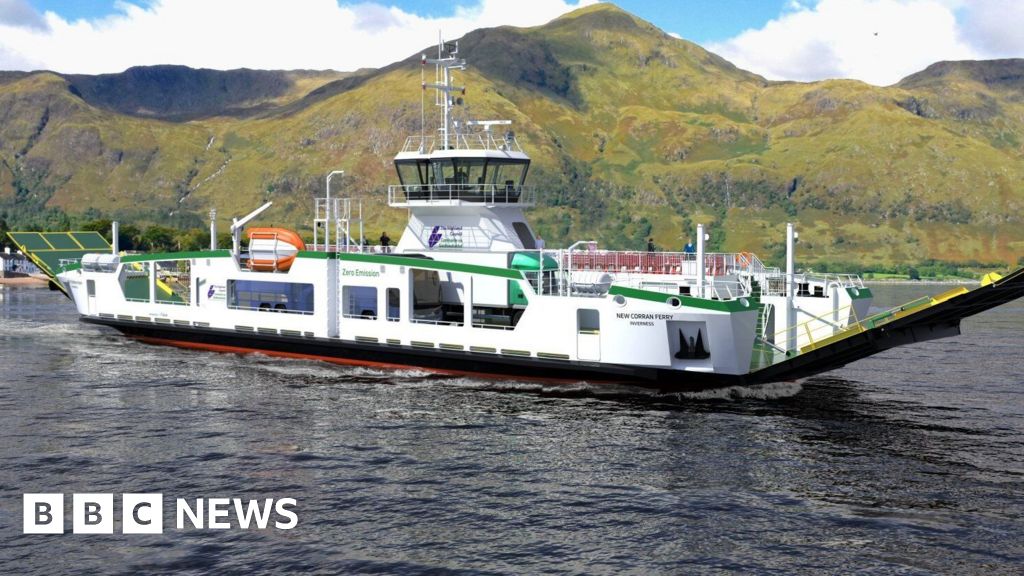
Scotland Launches Tender for Electric Corran Ferry Replacement
Highland Council has officially launched a tender to build a new electric ferry to replace the aging Corran Ferry, with delivery targeted for early 2029. The current single-vessel operation across Loch Linnhe is critical; if it fails, drivers face a two-hour, 42-mile detour. This £58 million upgrade aims to resolve long-standing reliability issues caused by the age of the existing vessels, serving as a model for island connectivity resilience.
Washington State Struggles to Retire Aging Ferries
Washington State officials have confirmed that they cannot afford to retire the state’s oldest ferry, the Tillikum, before 2033, when a replacement is expected. The delay highlights the financial strain on public transit systems maintaining decades-old vessels. Keeping these ships operational requires significant ongoing maintenance, raising concerns about safety margins and reliability for daily commuter routes until new hulls arrive.

Local view
In Indonesia, local stakeholders and media outlets like Tirto.id are expressing frustration over the repetitive nature of maritime disasters. Parliamentary figures note that while regulations exist, the "motif" of accidents remains unchanged: sinking, fire, and overload issues persist due to weak enforcement. The discourse has shifted from blaming individual operators to questioning the entire oversight mechanism of the Ministry of Transportation.
Context & numbers
The push for fleet modernization is gaining momentum globally with significant financial commitments. In the United States, New Jersey ferry projects recently secured nearly $40 million in federal funding for new vessels, while Whatcom County received a $25 million grant specifically for replacing the Lummi Island Ferry. These investments contrast sharply with the situation in Washington State, where budget constraints force the continued operation of vessels nearing the end of their structural life.
On the radar
- IMO Model Regulations Update: The International Maritime Organization is currently updating its model regulations for domestic ferry safety, aiming to address over 30 identified causes of accidents, including overloading and poor weather decisions. Stakeholders should monitor these changes as they will likely influence national standards in countries that base their rules on IMO guidelines.
- Isle of Man Route Changes: The replacement for the high-speed ferry Manannan will reportedly be of conventional design and slower, adding 45 minutes to the crossing. This shift away from high-speed craft may impact passenger volumes and operational economics for the Isle of Man Steam Packet Company.
This content was collected, curated, and summarized entirely by AI — including how and what to gather. It may contain inaccuracies. Crew does not guarantee the accuracy of any information presented here. Always verify facts on your own before acting on them. Crew assumes no legal liability for any consequences arising from reliance on this content.
Powered by
