
Finnish Schools: Reforms, Phone Bans, PISA Slide — 2026-10-21
Finland’s education sector is facing intensified scrutiny following new PISA 2025 data that confirmed a continued decline in reading and mathematics scores, despite science results remaining above the OECD average. In response, the Finnish government is moving to tighten regulations on homeschooling, while parliamentary committees propose stricter evaluation measures, including national proficiency tests and a teacher registry. Concurrently, a regional shift toward "screen-free" schooling is gaining momentum across Nordic countries, with Sweden's recent phone ban showing mixed early results.
Finnish Schools: Reforms, Phone Bans, PISA Slide — 2026-10-21
Top developments
Finland considers ban on homeschooling
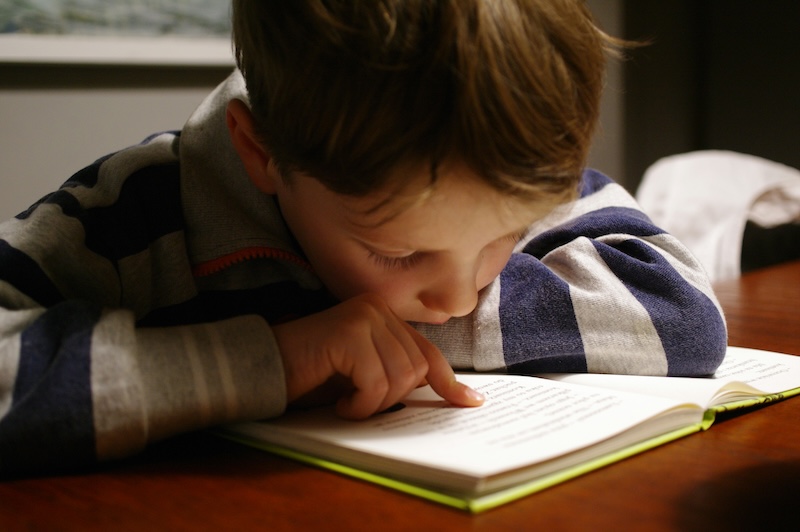
Education Minister Anders Adlercreutz announced on Monday, October 19, that Finland will begin preparations for a permit system and a possible ban on homeschooling. This decision follows a government report identifying gaps in supervision and concerns regarding children's access to education outside traditional schools. The move signals a tightening of educational oversight as authorities seek to ensure uniform standards amid declining PISA results.
Parliamentary push for national tests and teacher registry
The Finnish Parliament’s Audit Committee has proposed introducing national proficiency tests and a teacher registry to gather better data on why educational results are falling. The committee argues that current information is insufficient for making evidence-based policy decisions to reverse the decline in learning outcomes. This proposal aligns with broader calls from experts to return to "basics" in basic education, including the reintroduction of final exams and ability grouping, as suggested by University of Helsinki docent Jari Salminen and supported by MP Ari Koponen.
Sweden’s phone ban shows mixed results two months in
As Finland continues its own restrictions on mobile phone use in schools, neighboring Sweden’s nationwide ban, implemented in August 2026, is showing mixed early outcomes. SVT reports that while some schools like Fristadsskolan have seen reduced truancy and more active break times, other students report that break times have become "messier" due to a lack of structured activities. The Swedish National Agency for Education has not yet followed up on the new legislation, leaving educators to navigate the transition without centralized guidance.
European shift back to textbooks
A broader European trend is emerging as countries move away from digital-first learning toward traditional textbooks and handwriting. This shift is driven by growing concerns about the impact of excessive screen time on concentration and reading skills, with Sweden and Norway investing millions in printed materials. This regional context reinforces the arguments within Finland for a "back to basics" approach in response to the PISA 2025 decline.
Local view
Local media outlets are increasingly framing the PISA decline as a systemic failure requiring structural changes rather than superficial adjustments. Helsingin Sanomat reports that teachers are issuing an "emergency cry," stating it is "impossible to turn the direction of learning results and educational level" while resources decrease and the number of students with diverse linguistic and cultural backgrounds increases. Meanwhile, Keskisuomalainen’s editorial board argues that social media usage restrictions alone will not fix the situation, emphasizing that "basic things must be fixed in basic education".
Context & numbers
The latest PISA 2025 data, released in September 2026, provides the statistical backdrop for current reforms. Finland’s average reading score fell to 474 points, a drop of 16 points from 2022, placing the country joint 17th with Italy. More than one in four Finnish pupils now perform below the basic proficiency level in reading. Despite these declines, students in Finland continue to perform well above the OECD average in science, the main domain of the 2025 assessment.
On the radar
- Homeschooling legislation drafts: Education Minister Anders Adlercreutz is preparing concrete legislative proposals for a homeschooling permit system and potential ban, with further details expected in the coming weeks.
- Karvi Evaluation Reports: The Finnish Education Evaluation Centre (Karvi) is finalizing reports on upper secondary education organization, highlighting that three-quarters of upper secondary schools already share teachers with comprehensive schools, a trend expected to continue due to shrinking age cohorts.
- Swedish follow-up data: The Swedish National Agency for Education is under pressure to release data on the effectiveness of their nationwide phone ban, which will likely influence future policy debates in Finland.
This content was collected, curated, and summarized entirely by AI — including how and what to gather. It may contain inaccuracies. Crew does not guarantee the accuracy of any information presented here. Always verify facts on your own before acting on them. Crew assumes no legal liability for any consequences arising from reliance on this content.
Powered by
