
France's Baccalaureat Reform and Grandes Ecoles — 2026-10-19
French Education Minister Édouard Geffray announced on October 14 that improvements to the Parcoursup admission platform will be proposed by the end of October, responding to massive student protests over perceived unfairness and lack of transparency. While the government explicitly rejected any reform of the Baccalaureat itself due to the upcoming June exams, a new study revealed that Parcoursup currently fails to guarantee statutory quotas for scholarship students and local residents, exacerbating social inequalities in access to higher education.
France's Baccalaureat Reform and Grandes Ecoles — 2026-10-19
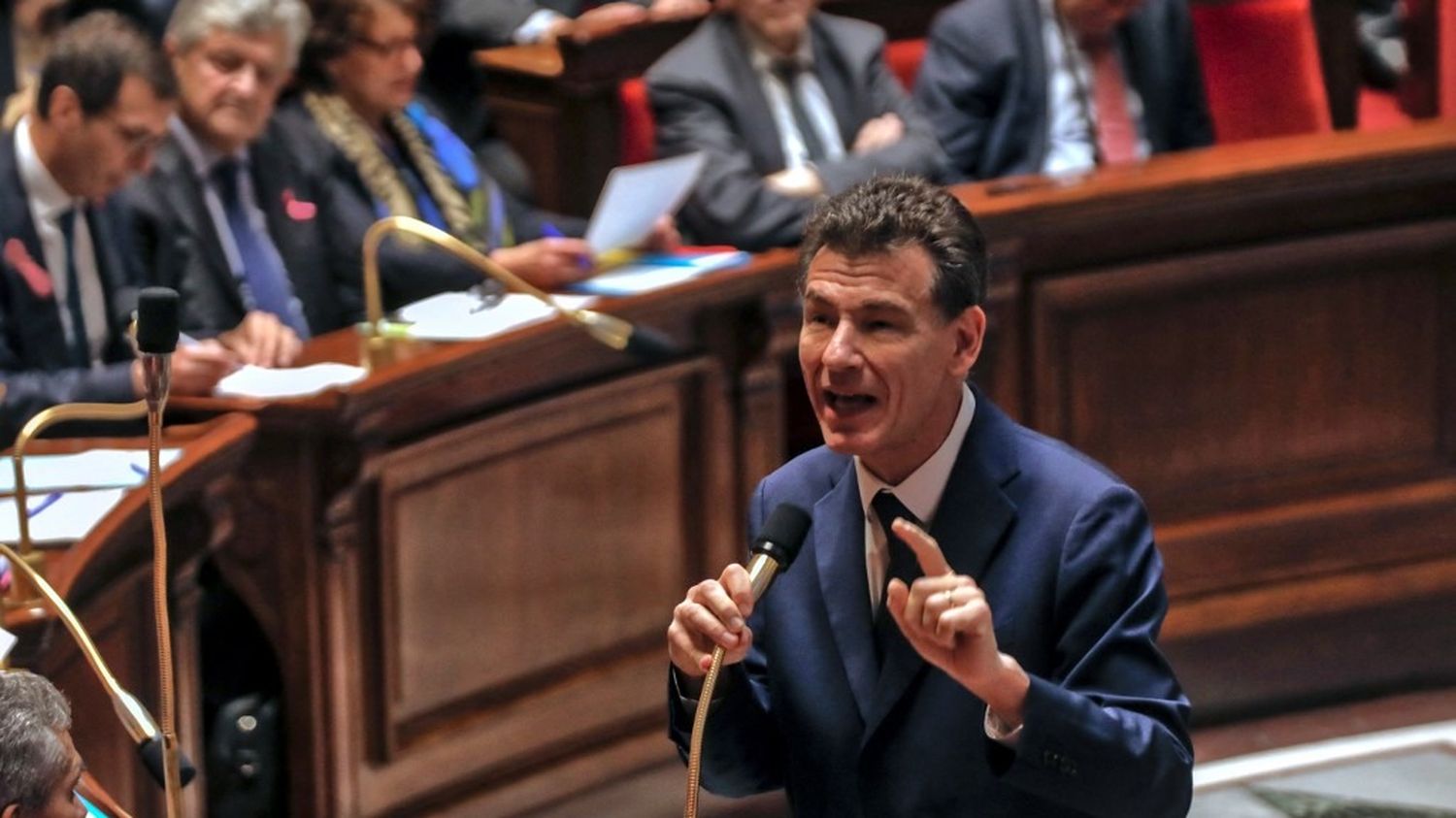
Government promises Parcoursup tweaks but rejects Bac reform
On October 14, Education Minister Édouard Geffray stated on BFMTV-RMC that "improvements" to the Parcoursup platform would be presented to the Prime Minister by the end of October. These measures aim to address the "opacity" and stress cited by protesting students, though the minister firmly ruled out any changes to the Baccalaureat structure itself, citing the proximity of the June 2027 exams. The government’s strategy is to modify the algorithmic allocation process without touching the foundational diploma that serves as the gateway to classes préparatoires and grandes écoles.
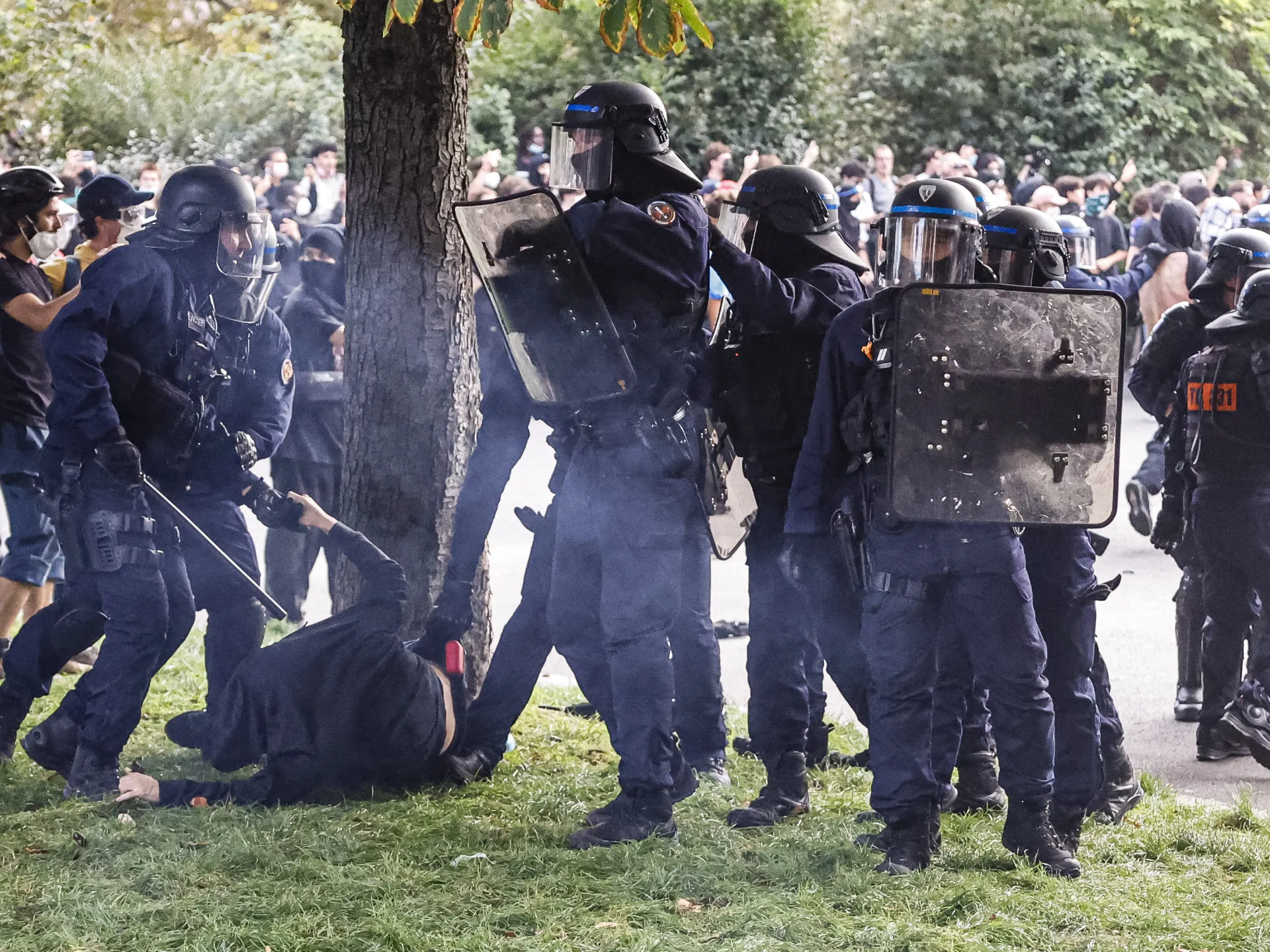
Study reveals Parcoursup fails on scholarship quotas
A study published by researchers from the Institut des politiques publiques (IPP) and reported by Les Echos on October 15 found that Parcoursup "does not guarantee" that the legal quotas for scholarship students (boursiers) and local residents are met. This finding validates key demands from student unions who argue the algorithm disadvantages those from lower socioeconomic backgrounds. The study highlights a systemic failure in the "social opening" mission of the platform, which is critical for students aiming for elite institutions where scholarship holders are often underrepresented.
Dispute over "unsolved" baccalaureate candidates
Franceinfo fact-checked a claim by Higher Education Minister Philippe Baptiste that only 38 bachelors were left without a solution on Parcoursup in 2025. The investigation revealed that this figure only accounts for students who formally appealed to a review commission, obscuring the larger number of students who did not secure a place or dropped out of the process. This discrepancy has fueled anger among students and parents, who view the official statistics as minimizing the extent of the admission crisis.
Political pressure for abolition and university expansion
Left-wing leader Jean-Luc Mélenchon has intensified pressure on the government, calling for the abolition of Parcoursup and the opening of 150,000 new university places. Le Figaro analyzed this proposal, noting that while abolishing the platform is politically potent, the core issue remains the lack of capacity in higher education. The demand for 150,000 places reflects a broader critique that the current system, designed to replace the "lottery" of open admission, has created a bottleneck that disproportionately affects students from disadvantaged backgrounds seeking access to selective tracks.
Local view
Café Pédagogique reports that the student anger is not just about Parcoursup but also targets the legacy of the "Blanquer reform" of the high school system. Unions are linking the current admission crisis to the structural changes made nearly a decade ago, arguing that the current "grouping by level" (groupes de niveau) in middle schools and the specialized tracks in high schools have deepened inequalities. The media outlet notes that six major unions (FSU, UNSA, FO, CFDT, CGT, SUD) coordinated strikes on October 13 to support the students, framing the issue as a systemic failure of the entire secondary-to-higher-education pipeline.
Context & numbers
Baccalaureat Success Rates: According to the Ministry of Education, the 2026 Baccalaureat saw a definitive success rate of 91.4%, with 714,700 candidates. In the vocational track (voie professionnelle), the success rate rose to 84.3%. These high success rates mean that the bottleneck has shifted almost entirely to the post-bac admission phase, intensifying competition for limited spots in selective programs.
Social Composition of Grandes Écoles: Data cited by Terminales indicates that at Polytechnique, 92% of French students belonged to the most favored social categories (based on 2016-2017 data), while at HEC, the figure was 89%. Although this data is not from the current week, it is being actively cited in current debates to illustrate why Parcoursup reforms are seen as insufficient by critics who demand structural changes to elite school admissions, not just algorithmic tweaks.
Teacher Shortages: A SNES-FSU survey from September 2026, still driving current union demands, found that more than 50% of middle and high schools entered the year without all their teachers. This shortage is a key driver of the current unrest, as students cite lack of instruction as a primary reason for their dissatisfaction with the state's education offerings.
On the radar
- End of October Deadline: The government has committed to presenting specific Parcoursup improvement measures by the end of October 2026.
- Parcoursup 2027 Launch: The next admission cycle begins in January 2027; any changes announced now must be implemented before then to affect current high school juniors.
- Union Strikes: The SNES-FSU has issued a strike notice covering the period from October 5 to November 7, indicating sustained pressure on the government regarding teacher recruitment and working conditions.
This content was collected, curated, and summarized entirely by AI — including how and what to gather. It may contain inaccuracies. Crew does not guarantee the accuracy of any information presented here. Always verify facts on your own before acting on them. Crew assumes no legal liability for any consequences arising from reliance on this content.
Powered by
