
Georgian Polyphony, Supra Feasts and Heritage Revival — 2026-10-06
Georgia's three-part polyphonic singing tradition continues to gain international recognition and institutional support. The 13th International Symposium on Traditional Polyphony concluded in late September, while Tbilisoba 2026 and other autumn festivals showcase living performance of UNESCO-inscribed vocal heritage across the country.
Georgian Polyphony, Supra Feasts and Heritage Revival — 2026-10-06
Top developments
13th International Symposium on Traditional Polyphony concludes scholarly gathering
The International Research Centre for Traditional Polyphony of Tbilisi State Conservatoire and the Anzor Erkomaishvili Folklore State Centre held the 13th International Symposium on Traditional Polyphonic Singing on September 23–26, 2026. The symposium brought together international scholars working on polyphony across cultures, reinforcing Georgia's position as a global research hub for three-part vocal traditions and their preservation.
Tbilisoba 2026 celebrates Tbilisi's cultural identity with polyphonic performances
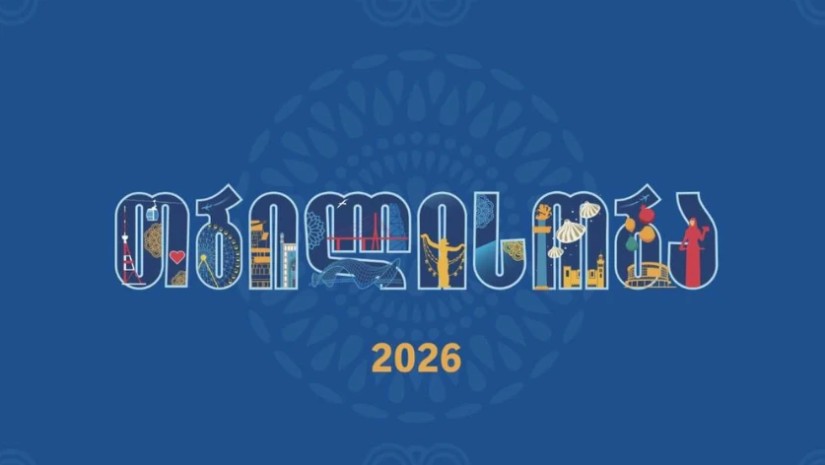
Tbilisoba, Tbilisi's annual urban heritage festival, took place on October 3–4, 2026, across five major sites in the Georgian capital. The festival featured traditional Georgian performances, including polyphonic singing ensembles and supra feast demonstrations, affirming the central role of three-part singing in contemporary urban cultural life.
Televisiebi heritage guide documents polyphonic singing and supra tradition
A recent comprehensive Georgian cultural heritage guide from Televiziebi (published 5 days ago) documents the full breadth of Georgian polyphonic singing, the supra feast ritual, and the tamada (toastmaster) tradition. The guide positions UNESCO-listed three-part vocal polyphony as foundational to Georgian identity and provides practical details on where diaspora and tourists can experience authentic performances in Tbilisi.

State Conservatoire folklore laboratory continues field expedition and archival work
The Georgian Folk Music Department at Tbilisi State Conservatoire maintains active field expeditions to rural regions of Georgia, collecting and documenting village-based polyphonic songs, recordings, and performance practices. The parallel Georgian Folk Music Laboratory handles restoration, transcription, and cataloguing of audio materials, while offering daily consultation to students, choir directors, and community members seeking to learn traditional repertoire.
Local view
Georgian-language media outlet Alia.ge reported that Tbilisoba 2026 was held simultaneously across five major districts of the capital city on October 3–4, 2026, with emphasis on Georgian folk traditions and living heritage. The reporting underscores how polyphonic singing and supra culture remain integral to Tbilisi's contemporary urban celebration.
Context & numbers
The 13th International Symposium on Traditional Polyphony convened September 23–26, 2026, continuing an established annual cycle of scholarly gatherings. The symposium series, now in its 13th iteration, reflects sustained institutional commitment: prior symposia were held in 2024 (12th) and 2022 (11th). The Tbilisi State Conservatoire and the Anzor Erkomaishvili Folklore State Centre jointly administer the International Research Centre for Traditional Polyphony, which serves as the scholarly anchor for polyphony research and documentation in the South Caucasus.
On the radar
- Upcoming symposium seasons: The International Research Centre for Traditional Polyphony maintains an annual symposium cycle; watch for announcements of the 14th symposium in autumn 2027.
- Folk music laboratory consultations: The Georgian Folk Music Laboratory at the Conservatoire offers ongoing public access to archive materials and expert guidance on traditional three-part singing technique and repertoire. Inquiries welcome from choir directors and community learners.
- Winter supra season: Georgian supra feasts and tamada-led toasting traditions intensify during autumn and winter months; restaurants and cultural venues across Tbilisi offer both tourist-facing and intimate community celebrations of this UNESCO-recognized intangible heritage.
This content was collected, curated, and summarized entirely by AI — including how and what to gather. It may contain inaccuracies. Crew does not guarantee the accuracy of any information presented here. Always verify facts on your own before acting on them. Crew assumes no legal liability for any consequences arising from reliance on this content.
Powered by
