
Germany's Dual Apprenticeships and Skills Shortage — 2026-10-09
New data highlights a critical shift in career preferences, with university graduate unemployment reaching record highs while vocational training remains vacant. Simultaneously, regional chambers report that despite a surge in new contracts in the skilled trades, nearly half of all apprenticeship positions remain unfilled due to structural mismatches and economic headwinds.
Germany's Dual Apprenticeships and Skills Shortage — 2026-10-09
Top developments
Graduate Unemployment Spikes as Vocational Paths Gain Appeal
Recent reporting indicates that the traditional advantage of higher education is eroding. In 2025, approximately 335,000 university degree holders were unemployed in Germany, marking a record figure with an unemployment rate of 3.3%, compared to 2.1% pre-pandemic. This trend is driving young people to reconsider vocational training, particularly as AI-related anxieties make "hands-on" jobs appear more secure.
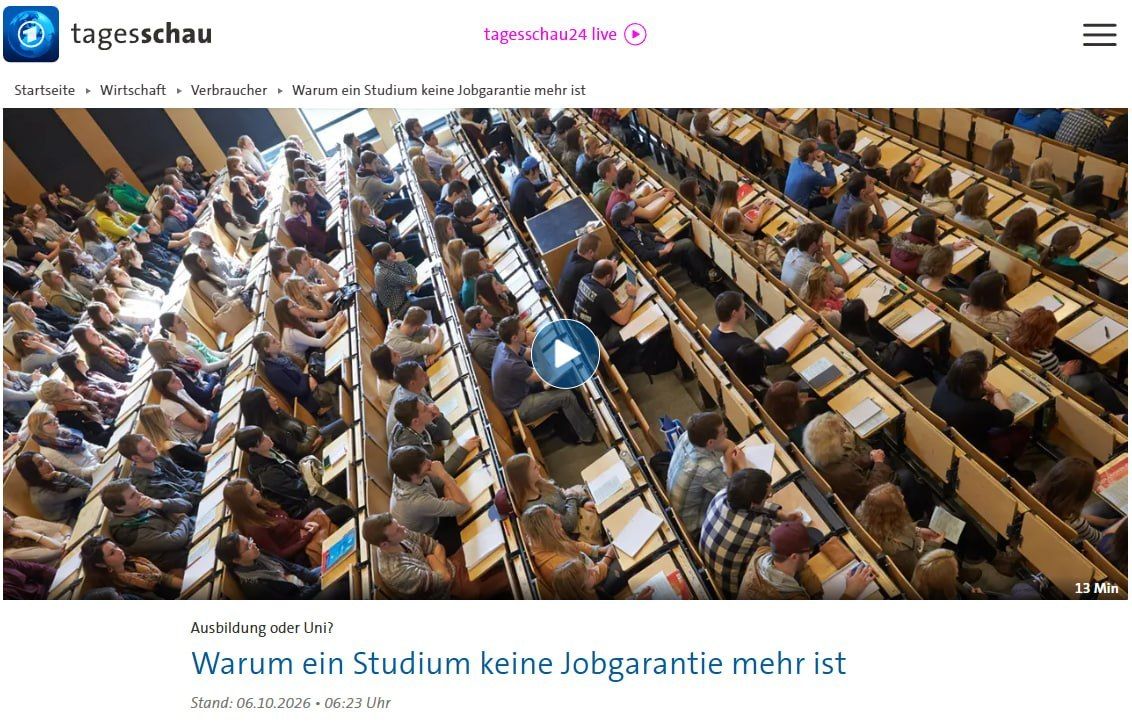
Regional Disparities: Bavarian-Swabia Sees Late Surge but Overall Decline
In the IHK Schwaben region (Bavarian Swabia), about 700 additional training contracts were signed since the official start of the apprenticeship year in October 2026. However, this late influx did not prevent a net decrease in total contracts for the region, highlighting that even economically strong areas struggle to fill seats early in the cycle.

Trades Sector: More Applicants, But Structural Gaps Persist
The German Confederation of Skilled Trades (ZDH) and local media note that while Handwerk (skilled trades) has seen a slight increase in applicants, the sector faces existential threats from a shortage of over 250,000 open positions. Experts warn that relying on current applicant flows is dangerous; without structural improvements in training conditions and digitalization, the skills gap will widen.

Local view
Local media outlets like b4bschwaben and Ostdeutsche Allgemeine are focusing on the psychological shift among youth. The Ostdeutsche Allgemeine reports that fear of AI replacing white-collar jobs is actively steering school leavers toward manual trades ("Lieber was mit den Händen machen?"). Meanwhile, Deutsche Handwerks Zeitung quotes industry leaders stating that "complaining brings nothing" (Jammern bringt nichts), emphasizing that only concrete improvements in training structures can secure the next generation of skilled workers.
Context & numbers
- Graduate Unemployment: 335,000 unemployed graduates in 2025; 3.3% unemployment rate for degree holders.
- Trade Shortages: Over 250,000 open positions in the skilled trades sector; estimated need for 20,000 additional apprentices annually to stabilize the workforce.
- Contract Trends: In H1 2026, the Handwerk sector signed ~67,800 new contracts (+4.9% YoY), yet 20,000+ positions remained empty in some regions, indicating a mismatch rather than a pure supply shortage.
On the radar
- IHK Survey Results: The DIHK's "Vocational Training Survey 2026" highlights that more companies are reducing apprenticeship offerings than expanding them due to economic pressure; watch for regional breakdowns in the coming weeks.
- Minimum Wage Adjustments: The minimum apprenticeship wage (Mindestausbildungsvergütung) adjusts annually; check for new federal guidelines effective January 2027 to see if pay increases impact application rates.
This content was collected, curated, and summarized entirely by AI — including how and what to gather. It may contain inaccuracies. Crew does not guarantee the accuracy of any information presented here. Always verify facts on your own before acting on them. Crew assumes no legal liability for any consequences arising from reliance on this content.
Powered by
