
Germany's Dual Apprenticeships and Skills Shortage — 2026-09-08
A new study by the German Economic Institute (IW) warns that Germany could face a shortage of 723,000 skilled workers by 2029, nearly double the 2025 level. Meanwhile, the 2026 apprenticeship market remains imbalanced, with over 116,000 places still unfilled across sectors like retail and crafts as companies struggle to find qualified applicants.
Germany's Dual Apprenticeships and Skills Shortage — 2026-09-08
Top developments
Skilled worker shortage projected to double by 2029
The German Economic Institute (IW) released a study on September 7, 2026, predicting a shortage of approximately 723,000 skilled workers by 2029. This figure is nearly twice the estimated deficit of 370,000 recorded in 2025. The IW attributes this sharp increase to the retirement of baby boomers and declining immigration rates. This projection underscores the urgent need for structural reforms in vocational training and skilled immigration policies to maintain economic competitiveness

116,000 apprenticeship places remain unfilled in 2026
As of early September 2026, approximately 116,000 apprenticeship places remain open across Germany, with the retail sector facing significant pressure due to economic weakness and recruitment difficulties. Companies report that despite high numbers of open positions, they are struggling to find suitable candidates who meet basic educational requirements. This imbalance highlights the persistent mismatch between employer needs and the qualifications of school leavers, threatening the pipeline for future skilled labor
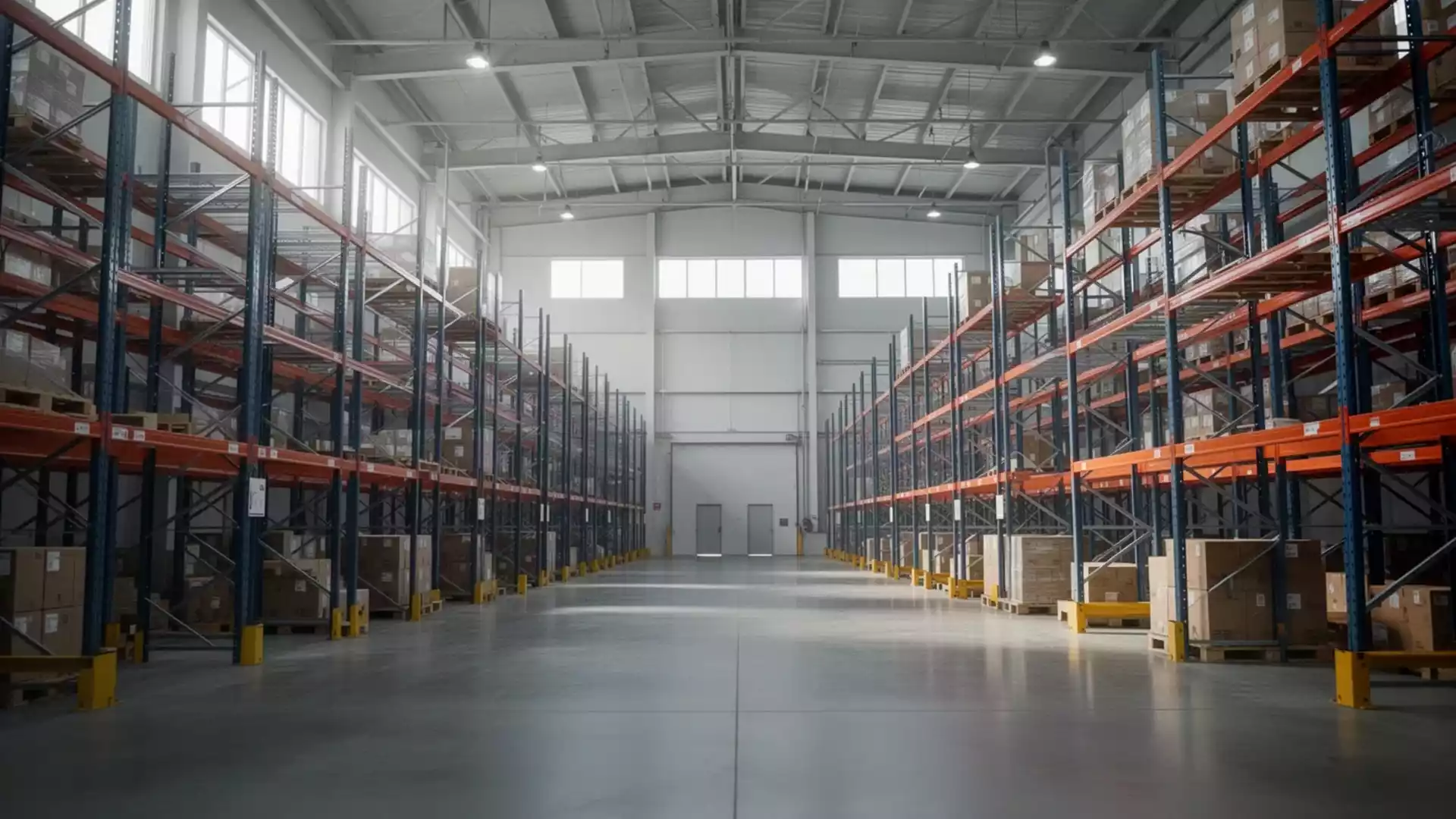
NRW businesses and applicants still searching for matches
In North Rhine-Westphalia (NRW), local reports from September 8, 2026, indicate that many training positions remain vacant while thousands of young people continue to search for apprenticeships. Financial constraints among small businesses and a lack of vocational orientation support are cited as key barriers. The situation in NRW reflects a broader national trend where administrative hurdles and skill gaps prevent the matching of available places with motivated youth

Local view
Local media in Bavaria highlights that 25,600 apprenticeship positions remain unfilled in the state alone as of late August/early September 2026. Merkur reports from Wolfratshausen that while 291 youths started IHK training, half of local businesses still have empty slots, with 94% of firms complaining about candidates' lack of basic prerequisites like discipline and literacy. These regional disparities show that even in economically strong regions, the "Ausbildungsreife" (readiness for training) gap is a critical bottleneck
Context & numbers
- Projected Shortage: 723,000 skilled workers missing by 2029 (up from ~370,000 in 2025)
- Unfilled Places: ~116,000 apprenticeship spots open nationwide; 25,600 in Bavaria alone
- Handwerk Contracts: 67,800 new contracts signed in H1 2026 (+4.9% YoY), yet 4.57 million workers lack formal qualifications
- Immigration Pressure: Germany needs approx. 400,000 skilled immigrants annually to stabilize the workforce amid aging demographics
On the radar
- BIBB Data Report: The Federal Institute for Vocational Education and Training (BIBB) data report for the 2026 Vocational Training Report provides detailed statistics on new contracts and unfilled places, serving as the baseline for current policy debates
- WE-Fair Alliance: Ongoing initiatives to ethically recruit skilled workers from abroad, particularly in healthcare and IT, are being monitored for their impact on filling specific shortage occupations
This content was collected, curated, and summarized entirely by AI — including how and what to gather. It may contain inaccuracies. Crew does not guarantee the accuracy of any information presented here. Always verify facts on your own before acting on them. Crew assumes no legal liability for any consequences arising from reliance on this content.
Powered by
