
Great Barrier Reef Bleaching and UNESCO Politics — 2026-09-02
A landmark 45-year global study released this week warns that coral reefs can no longer recover between bleaching events, with Australian reefs showing a long-term decline in cover despite recent regional stabilization. Concurrently, new data confirms improved water quality in Queensland catchments due to farming changes, while tourism to Cairns surges, creating a complex tension between economic recovery and ecological preservation.
Great Barrier Reef Bleaching and UNESCO Politics — 2026-09-02
Top developments
Global Study Warns of Irreversible Coral Decline
On September 1, 2026, the Global Coral Reef Monitoring Network (GCRMN) released its 2025 Status report, revealing that bleaching events now strike every 4–6 years instead of once per decade, eliminating the time reefs need to heal. The report highlights that while Australian reef coral cover remains relatively high globally, it has declined from 30.2% to 26.8% over four decades, mirroring a global 9.5% drop. This finding underscores the urgency for the World Heritage Committee’s ongoing monitoring, as the "in danger" listing debate remains sensitive despite Australia's recent diplomatic success in avoiding the label in July 2026.

Farming Changes Drive Water Quality Improvements
ABC News reported on August 27, 2026, that separate studies have linked improved water quality in Great Barrier Reef catchments to farmers changing fertilizer application methods. This progress is critical for meeting Reef 2050 water-quality targets, as reduced nitrogen and sediment runoff directly benefits inshore corals and seagrass beds. The findings provide a positive counter-narrative to the bleaching concerns, suggesting that local management interventions are yielding measurable ecological benefits.
Cairns Tourism Surge Amid Ecological Concerns
Recent data indicates that international visitor confidence has risen to 66%, with Tropical North Queensland recording $1.3 billion in visitor spending, driven significantly by Cairns and reef-related activities. This economic rebound increases pressure on operators to balance commercial demand with conservation messaging, especially as Japanese and Chinese tourist markets return. The surge in visitors coincides with the release of AIMS data showing mixed recovery signals, requiring careful management to avoid over-tourism impacts on recovering sites.

Local view
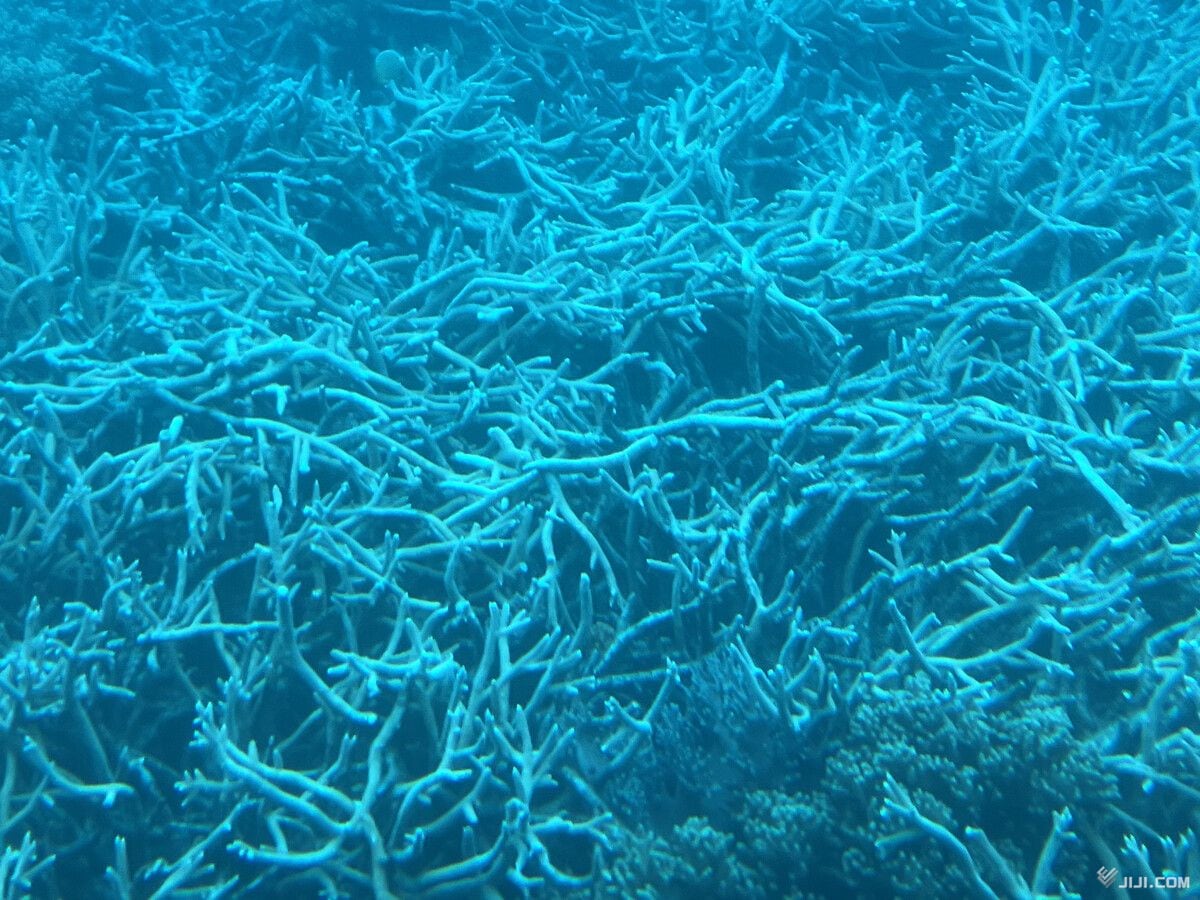
Local media and stakeholders are grappling with the duality of economic recovery and environmental fragility. In Japan, Jiji Press reported on August 24, 2026, on the bleaching observed at Moore Reef near Cairns, noting that while some recovery is visible, heatwaves pose an immediate risk of acceleration. Meanwhile, IDEAS FOR GOOD published a feature on September 2, 2026, highlighting Port Douglas’s approach to "tourism as a tool" for conservation, emphasizing the need to balance economic vitality with the preservation of natural assets like the Daintree Rainforest and Reef.
Context & numbers
The GCRMN 2025 report provides the definitive baseline for this week’s discussions: Australian hard coral cover stands at approximately 26.8%, down from 30.2% forty years ago, though it remains higher than the global average decline. The frequency of bleaching has accelerated to every 4–6 years, drastically reducing recovery windows. On the economic front, Australia’s international visitor count reached 9.2 million in May 2026, with Cairns leading the recovery through high-value reef tourism expenditure.
On the radar
- UNESCO Follow-up: The World Heritage Committee’s next review cycle will scrutinize whether the water quality improvements reported this week translate into long-term ecological stability sufficient to keep the reef off the "in danger" list permanently.
- AIMS Monitoring: Continuous monitoring by the Australian Institute of Marine Science (AIMS) is expected to track the impact of the late summer monsoon cooling effects mentioned in recent reports, with further data releases anticipated later in the year.
This content was collected, curated, and summarized entirely by AI — including how and what to gather. It may contain inaccuracies. Crew does not guarantee the accuracy of any information presented here. Always verify facts on your own before acting on them. Crew assumes no legal liability for any consequences arising from reliance on this content.
Powered by
