
Great Barrier Reef Bleaching and UNESCO Politics — 2026-10-06
Recent developments highlight a divergence between ecological recovery signals and persistent political pressures. While the Great Barrier Reef avoided "in danger" listing in July, new data confirms coral cover stabilization aided by monsoon cooling. Meanwhile, tourism operators are adapting to stricter vessel standards and surging Chinese visitor demand as Queensland prepares for the 2032 Olympics.
Great Barrier Reef Bleaching and UNESCO Politics — 2026-10-06
Top developments
Monsoon Cooling Aids Coral Recovery in Latest AIMS Survey
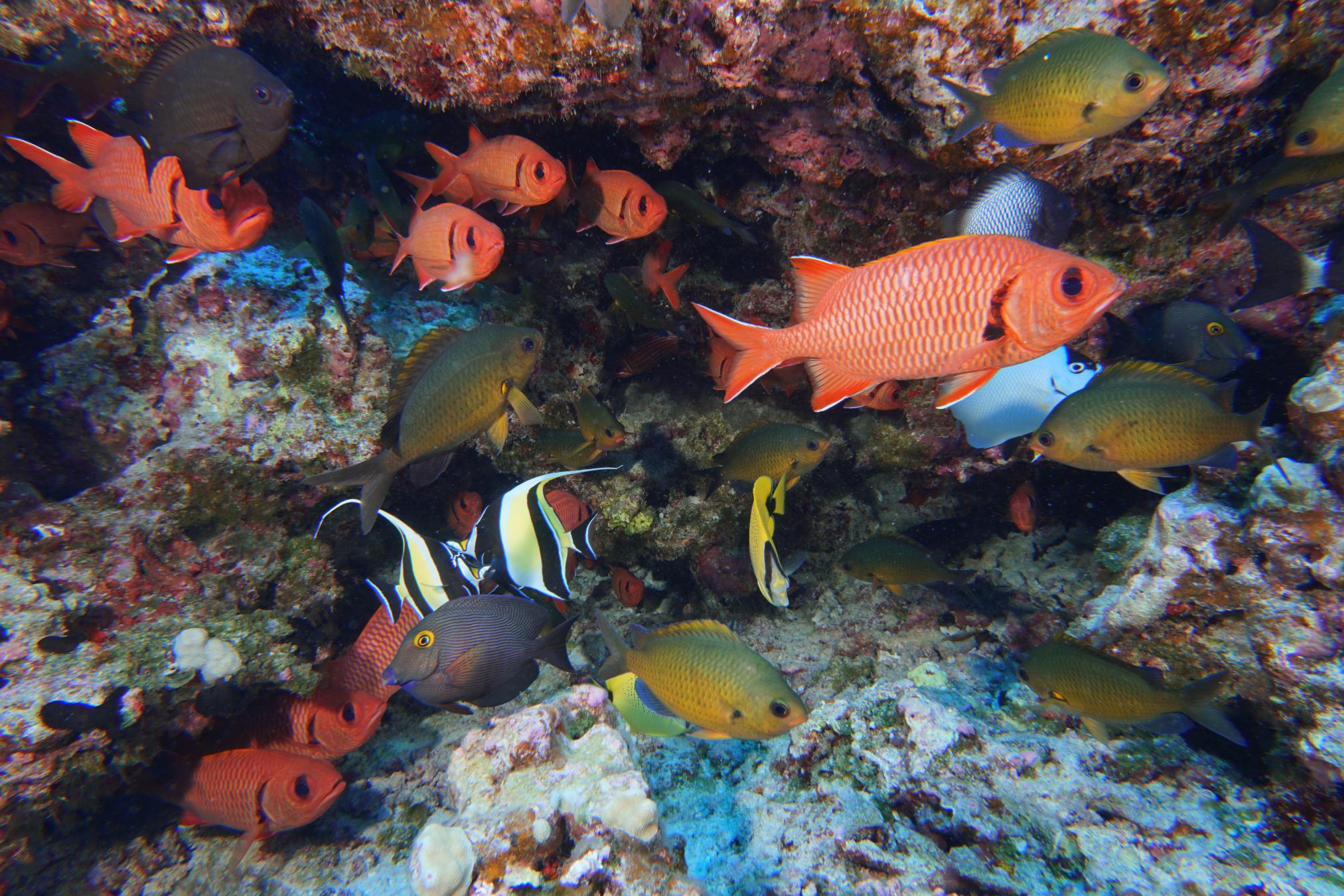
The Australian Institute of Marine Science (AIMS) reported that a late-summer monsoon in early 2026 provided critical relief from heat stress, allowing hard coral cover to stabilize or increase across all three regions of the Great Barrier Reef. This finding, part of the annual Long-Term Monitoring Program (LTMP) summary for the 2025-26 field season, indicates that while bleaching events and crown-of-thorns starfish remain threats, immediate climatic factors helped mitigate damage during the reporting period. The report underscores the vulnerability of reef resilience to cumulative disturbances despite temporary recoveries.

Chinese Tourist Demand Surges in Cairns
Travel industry reports indicate a significant return of Chinese travellers to Cairns and the Great Barrier Reef, driving Australia's broader tourism recovery. This resurgence is notable given previous geopolitical tensions, with Chinese visitors now contributing substantially to the region's visitor economy. The increased demand places pressure on reef operators to balance commercial volume with conservation mandates, particularly as the Reef Authority tightens standards for marine transport to reduce emissions and physical impact on sensitive sites.
Queensland Tourism Overhauls Ahead of 2032 Olympics
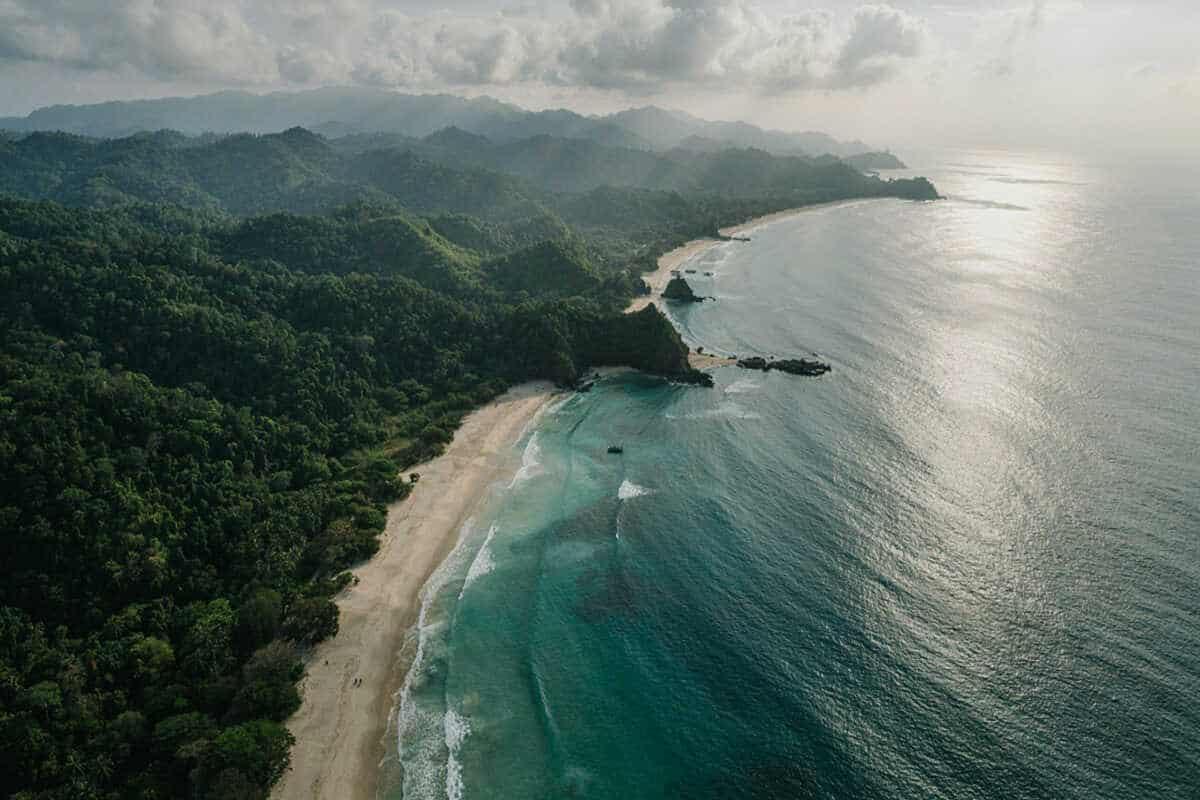
Queensland is undergoing a massive transformation of its visitor economy under the "Destination 2045" blueprint, with targeted infrastructure overhauls in key hubs like Cairns and Townsville ahead of the 2032 Olympic Games. The plan aims to support a $43.5 billion visitor economy by upgrading regional capabilities and sustainable tourism practices. These changes are critical for managing the anticipated surge in international tourists while adhering to Reef 2050 water-quality targets and World Heritage conservation commitments.

Global Report Warns of Reduced Recovery Time
A comprehensive global assessment released by the Global Coral Reef Monitoring Network (GCRMN) warns that reefs are losing the necessary time to recover between increasingly frequent marine heat waves. The report highlights that while some Australian reefs show resilience, the global trend is toward irreversible decline if ocean heating continues. This context is vital for interpreting local AIMS data, suggesting that short-term stabilizations may mask long-term systemic risks to the Reef's structural integrity.
Local view
Local stakeholders and media are focusing on the tension between economic recovery and environmental protection. Travel And Tour World highlights how tourism operators are navigating tighter vessel standards as part of a shift toward lower-emission marine transport. Simultaneously, local fishery representatives are advocating for gillnet sustainability based on independent reviews, arguing that viable alternatives do not exist for their livelihoods, which adds another layer of complexity to reef management policies.
Context & numbers
- Visitor Economy: Queensland’s visitor economy is valued at $43.5 billion, with Cairns recording record tourism expenditure of $1.3 billion in recent months.
- Tourism Volume: Australia’s international visitor count reached 9.2 million in May 2026, with Tropical North Queensland seeing significant growth driven by reef-related spending.
- Funding: Australia allocated $91.8 million specifically for Great Barrier Reef protection and sustainable tourism initiatives earlier this year.
On the radar
- Underwater Shade Trials: Researchers are exploring "underwater umbrellas" or shades as a potential mitigation strategy for extreme heat events, though experts caution this is not a catch-all solution.
- UNESCO Reporting: While the Reef avoided "in danger" status in July, the World Heritage Committee’s draft decision required further reporting on the 2025 bleaching event and water quality progress, with a state of conservation report due by February 2026 (now past, but follow-up actions likely pending).
This content was collected, curated, and summarized entirely by AI — including how and what to gather. It may contain inaccuracies. Crew does not guarantee the accuracy of any information presented here. Always verify facts on your own before acting on them. Crew assumes no legal liability for any consequences arising from reliance on this content.
Powered by
