
The Great Green Wall and Sahel Reforestation — 2026-10-25
Senegal has launched its 2026–2027 national reforestation campaign with a target of nearly 48,000 hectares, while the UN Environment Programme (UNEP) announced a $78 million initiative to restore 270,000 hectares across the Sahel. Despite these new efforts, recent reports highlight a persistent gap between donor pledges and actual disbursements, alongside security challenges that limit access to restoration sites in conflict-affected zones.
The Great Green Wall and Sahel Reforestation — 2026-10-25
Top developments
Senegal launches 2026–2027 reforestation campaign
The General Directorate of Forests (DGF) in Senegal initiated the national reforestation campaign for the 2026–2027 season on October 25, 2026. The campaign aims to plant approximately 48,000 hectares, a significant scale-up from previous years, marking a renewed push to meet the Great Green Wall's restoration targets in the Sahel belt.
UNEP announces $78 million restoration fund
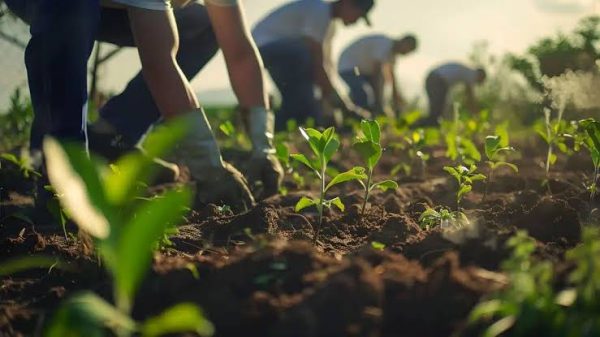
UNEP revealed a new $78 million program designed to restore 270,000 hectares of degraded land and improve livelihoods for five million people across nine Great Green Wall countries. This funding, supported by the Global Environment Facility (GEF), targets critical ecosystems in countries including Mali, Niger, and Senegal, aiming to enhance climate resilience and sustainable agriculture.

Algeria expands "Green Dam" barrier
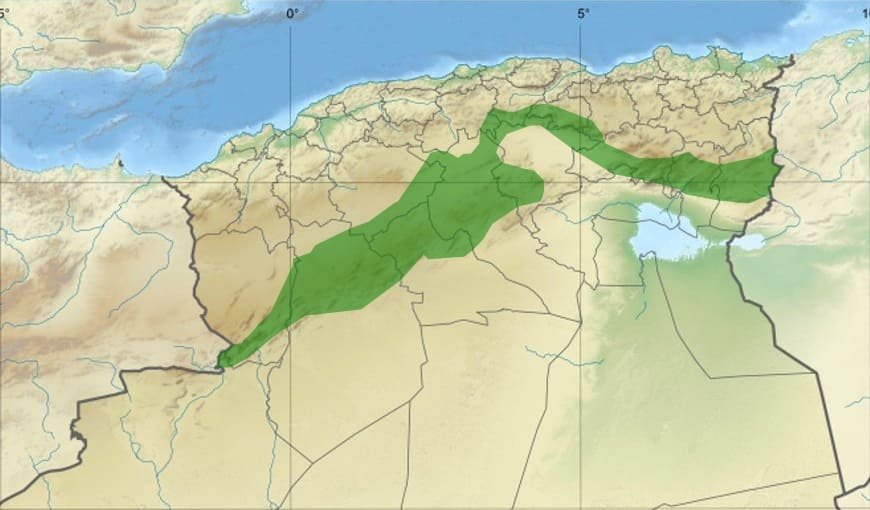
Algeria reported planting over 42,000 hectares between 2023 and 2026 as part of its "Green Dam" (Barrage vert) rehabilitation program. The country’s DGF plans to reforest nearly 48,000 hectares in the 2026–2027 cycle, including 34,318 hectares specifically for the Green Dam, demonstrating continued commitment to the northern edge of the Sahel restoration effort.
Funding gaps persist despite pledges
While partners have pledged billions since the 2021 One Planet Summit, a significant gap remains between committed funds and actual disbursements. Reports from the Djibouti COP17 preparatory meetings highlighted that many projects struggle to access resources needed to move from planning to implementation, slowing the pace of restoration compared to the 2030 targets.
Local view
In Chad, local nursery owners are advocating for year-round reforestation rather than limiting planting to the annual "National Tree Week." They argue that the current periodic schedule is inefficient for both ecological survival and economic stability, as seedlings often fail due to timing mismatches with rainfall patterns.
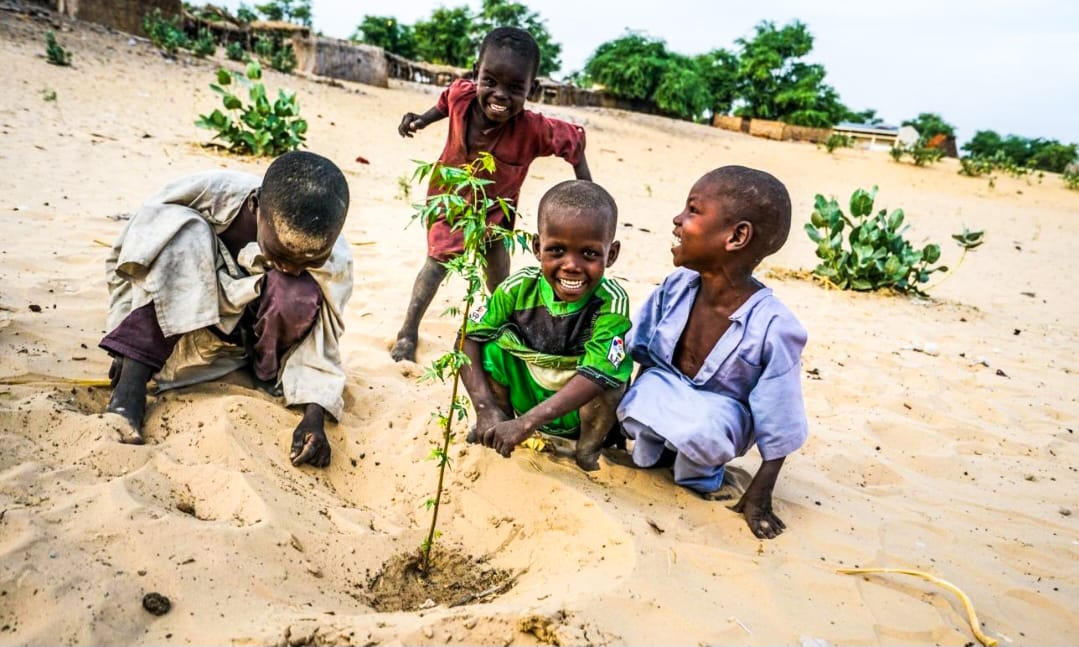
In Mali, community-led initiatives continue to integrate refugees and local residents in planting efforts. For instance, in Sibiribougou, refugees and locals jointly planted trees on October 17, 2026, emphasizing social cohesion as a component of environmental restoration.
Context & numbers
- Target Progress: The Great Green Wall initiative aims to restore 100 million hectares by 2030. As of recent assessments, approximately 18% of the targeted area has been restored, with countries like Ethiopia, Senegal, and Nigeria leading in hectares reclaimed.
- Security Constraints: Violent conflicts in the Sahel are estimated to reduce accessible degraded ecosystems from 27.9 million hectares to 14.1 million hectares, significantly limiting the physical scope of restoration projects in unstable regions.
- Farm-Managed Natural Regeneration (FMNR): In Niger, the FMNR technique has successfully regenerated 200 million trees across 5 million hectares by protecting stumps rather than planting new saplings, offering a cost-effective alternative to traditional reforestation.
On the radar
- COP17 Preparations: The Pan-African Agency for the Great Green Wall is actively coordinating with African nations to highlight restoration solutions ahead of COP17, focusing on knowledge management and monitoring-evaluation systems.
- Seasonal Timing: As the rainy season ends, discussions are intensifying in Chad and other Sahelian nations about shifting from seasonal to continuous reforestation models to improve sapling survival rates.
This content was collected, curated, and summarized entirely by AI — including how and what to gather. It may contain inaccuracies. Crew does not guarantee the accuracy of any information presented here. Always verify facts on your own before acting on them. Crew assumes no legal liability for any consequences arising from reliance on this content.
Powered by
