
The Great Green Wall and Sahel Reforestation — 2026-10-11
A new $78 million Global Environment Facility initiative aims to restore 270,000 hectares across nine Great Green Wall countries, targeting five million livelihoods. Concurrently, Burkina Faso unveiled a $435 million irrigation plan to support dry-season agriculture, while recent media highlights the continued dominance of Farmer-Managed Natural Regeneration (FMNR) in Niger over traditional planting methods.
The Great Green Wall and Sahel Reforestation — 2026-10-11
Top developments
New $78 Million GEF Initiative Launches for Nine GGW Countries
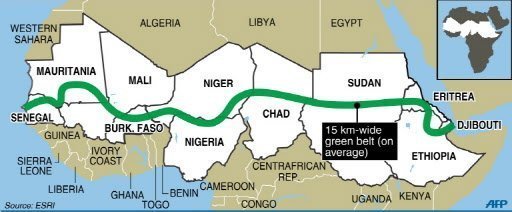
A new $78 million programme has been announced to restore 270,000 hectares of degraded land and improve the livelihoods of five million people across nine countries of the Great Green Wall. Funded by the Global Environment Facility (GEF) with implementation support from UN Environment Programme, this initiative addresses the persistent gap between pledged funding and actual disbursement that has hindered previous projects.
Burkina Faso Unveils $435 Million Dry-Season Irrigation Plan
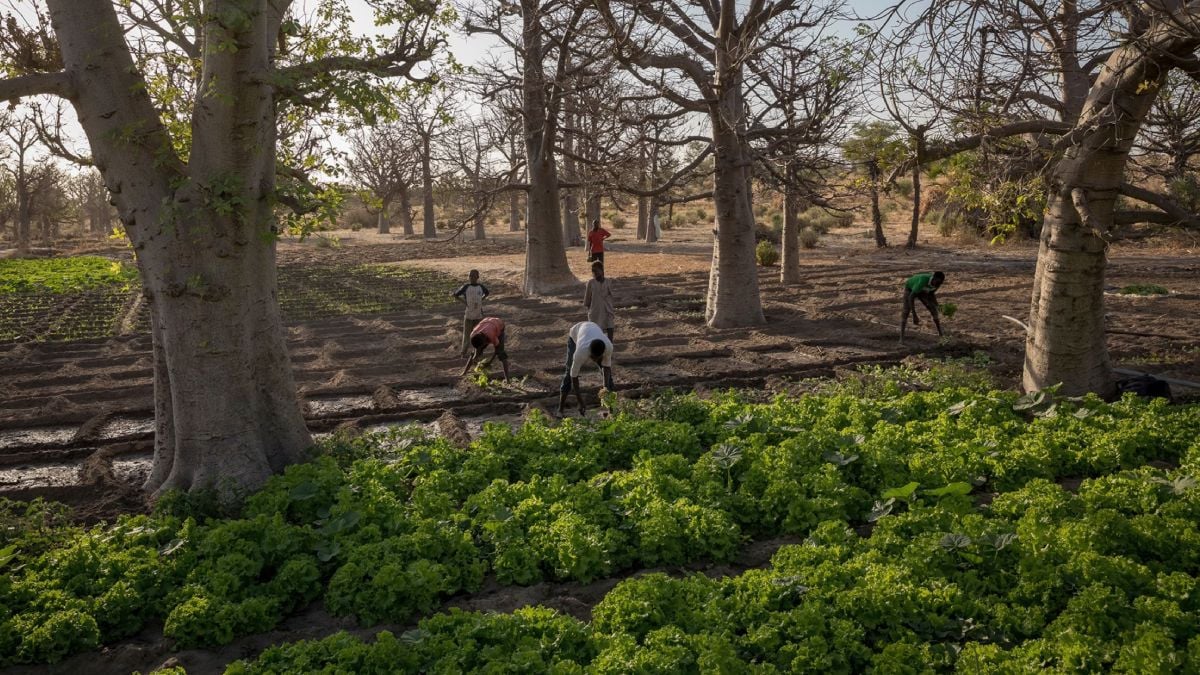
On October 8, Burkina Faso announced a US$435 million plan to drill 750 boreholes and irrigate an additional 50,000 hectares by 2027. This move is critical for stabilizing agriculture in the Sahel, where climate variability and insecurity have severely limited traditional farming expansion. The plan aims to create resilient water access points that can support both crops and reforestation efforts during dry seasons.
Niger’s FMNR Success Highlighted as Planting Struggles Continue
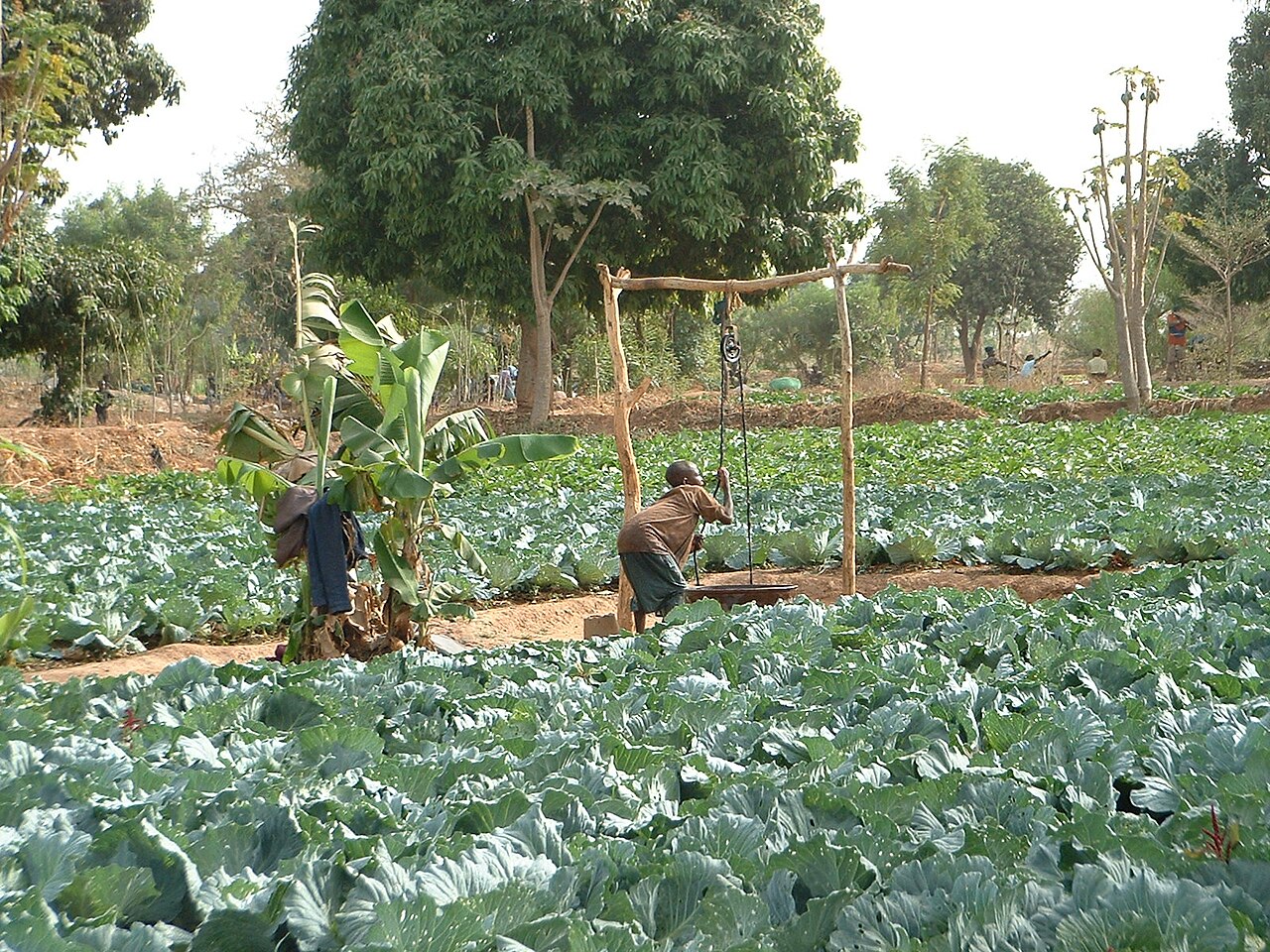
Recent reporting emphasizes that Niger’s Farmer-Managed Natural Regeneration (FMNR) remains the most effective reforestation strategy, having regenerated approximately 200 million trees across five million hectares without traditional planting. While traditional plantation efforts in Senegal and other regions face high mortality rates due to drought and neglect, the "underground forest" approach continues to yield verifiable ecological benefits. This reinforces the shift from costly tree planting to low-cost natural regeneration management.
Burkina Faso Introduces Root Pits to Bypass Rock Layers
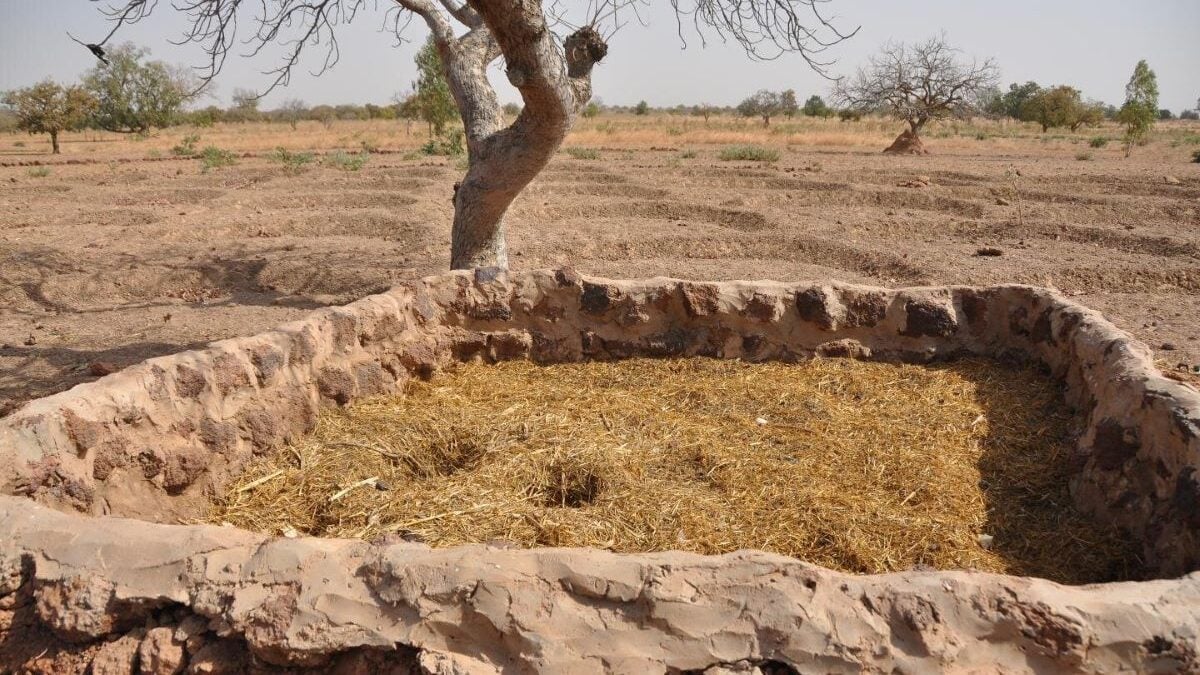
The NGO Terre Verte and the Sahelian Hedge Network have published technical guides on "root pits" (puits racinaires), a technique allowing trees to grow through hard rock layers common in Burkina Faso. This innovation is being promoted to increase survival rates in areas where soil depth is insufficient for standard seedlings. The method represents a localized adaptation crucial for restoring degraded rocky landscapes in the Sahel.
Local view
In Niger, Journal du Niger reports on the acceleration of agricultural transition in the Aïr region, focusing on solar pumping infrastructure and pastoral structures (PRAPS2) to combat drought impacts. The local perspective highlights the integration of renewable energy with land restoration, acknowledging that water security is a prerequisite for successful regreening in arid zones.
Context & numbers
- Restoration Gap: The UNCCD’s 2026 report records only 1.66 million hectares under restoration via harmonized monitoring, far below the 100-million-hectare target for 2030.
- Funding Disparities: While partners pledged ~€16 billion by 2025, significant gaps remain between pledges and disbursements, particularly in conflict-affected zones like the Central Sahel.
- Senegal’s Progress: Senegal claims to have restored 850,000 hectares since 2007, though independent satellite analyses suggest very few planted areas show sustained progress compared to natural regeneration sites.
On the radar
- COP17 Preparation: The Pan-African Great Green Wall Agency is intensifying knowledge-sharing and monitoring frameworks ahead of COP17, aiming to present unified African restoration solutions.
- Dry Season Planning: With Burkina Faso’s new irrigation plan underway, stakeholders are watching for tender releases for borehole drilling and solar pump installations in the coming months.
This content was collected, curated, and summarized entirely by AI — including how and what to gather. It may contain inaccuracies. Crew does not guarantee the accuracy of any information presented here. Always verify facts on your own before acting on them. Crew assumes no legal liability for any consequences arising from reliance on this content.
Powered by
