
The Great Green Wall and Sahel Reforestation — 2026-09-08
Recent satellite analysis reveals a critical failure in Senegal's active planting strategy, with only one of 36 tested parcels showing superior vegetation growth compared to abandoned land. Concurrently, local community initiatives in Senegal and Mali continue grassroots reforestation efforts, while regional climate models warn of significant fodder deficits for the upcoming pastoral season.
The Great Green Wall and Sahel Reforestation — 2026-09-08
Top developments
Satellite data exposes failure of active planting in Senegal
A recent analysis published in early September highlights that active tree planting in Senegal has largely failed to outperform natural regeneration. Out of 36 parcels planted to combat desertification, only a single parcel showed more vigorous vegetation growth than adjacent control plots left untouched. The study attributes this low success rate to drought conditions and neglect, reinforcing the argument that protecting existing spontaneous growth (farmer-managed natural regeneration) is more effective than costly plantation efforts in the Sahel.

Grassroots reforestation continues in Senegal’s Ferlo region
On September 5, 2026, the citizen movement "Convergence for Hope and Interest of Djolof" (Conceid) organized a traditional reforestation day in Linguère, located in Senegal’s Ferlo region. Over 700 seedlings were planted at emblematic sites, including the Daara Iqra of Elhadji Chérif Ndiaye. These community-led efforts persist despite broader national challenges, aiming to restore local biodiversity and support pastoral livelihoods in the semi-arid zone.

Mali launches national campaigns with youth focus
In late August and early September 2026, Mali intensified its national reforestation campaign, with local events such as the planting of 2,000 seedlings in the "Alousseni Sanou" grove in Samanko. The campaign, part of Mali’s broader goal to plant 21 million trees in 2026, emphasizes youth engagement under the theme "Youth at the heart of environmental citizenship." These actions are critical for restoring degraded lands across the Sahel belt, though they face logistical and climatic hurdles.
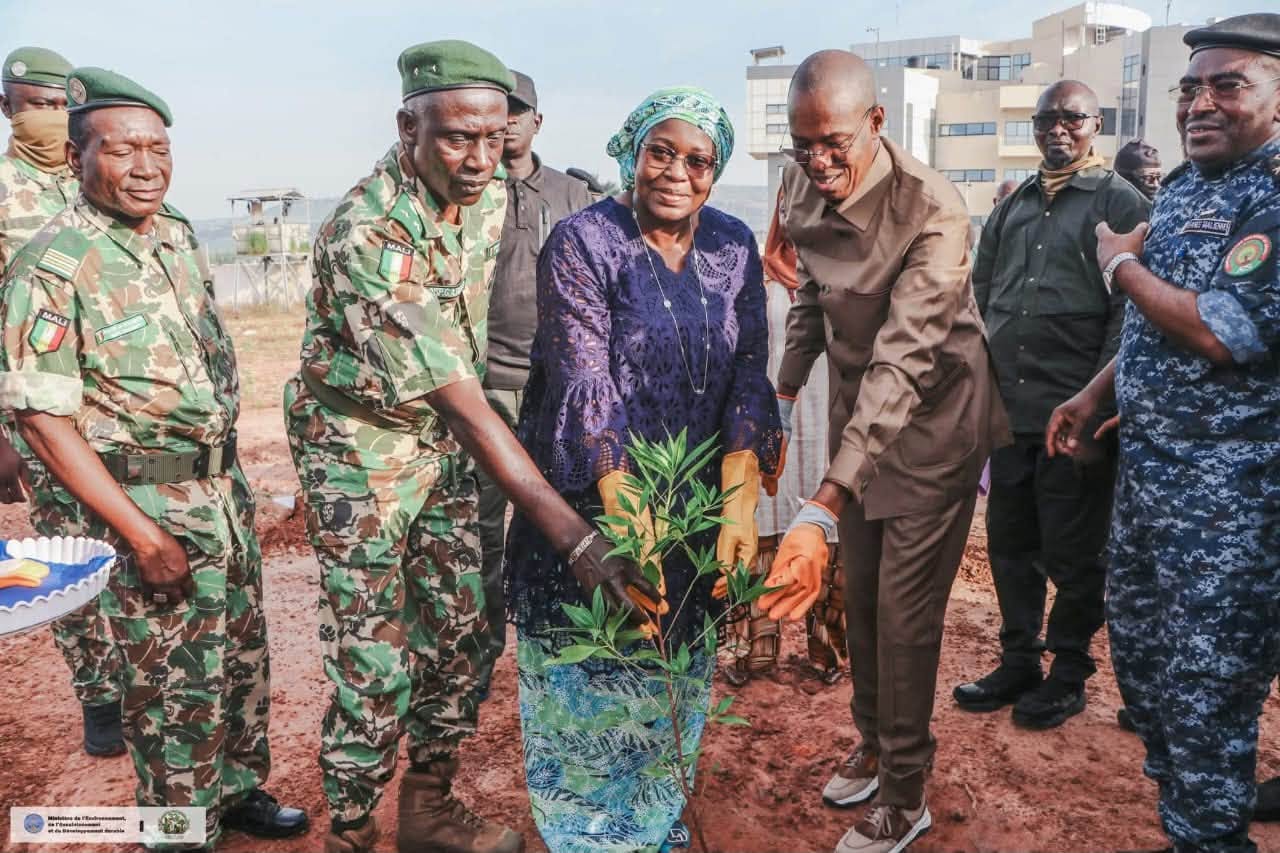
Regional climate alert warns of fodder deficits
The AGRHYMET Regional Centre issued a critical alert on September 8, 2026, regarding the 2026-2027 pastoral campaign. The report indicates that the vegetation front in Sahelian and Saharan zones is significantly delayed compared to the five-year average. This lag threatens fodder availability, increasing the risk of livestock losses and potential conflicts over scarce resources, which could undermine recent land restoration gains in Niger and Mali.
Local view
Local media outlets in Senegal, such as Le Soleil and Dakar92, are highlighting the resilience of community-based initiatives like Conceid’s work in Linguère. These outlets frame local planting days as vital acts of civic engagement and environmental stewardship, contrasting them with the top-down failures suggested by recent scientific studies. In Mali, outlets like Mali Express cover the government’s mobilization efforts, portraying them as essential national duties to combat desertification, despite ongoing concerns about rainfall variability.
Context & numbers
The Great Green Wall initiative aims to restore 100 million hectares by 2030. Current assessments suggest that while millions of hectares have been addressed, the quality and sustainability of these restorations vary significantly. Recent data from the African Development Bank and UN reports indicate that only about 18% of the restoration goal has been fully achieved with verified outcomes, highlighting a gap between pledged financing and effective on-the-ground implementation.
On the radar
- Pastoral Season Risks: The AGRHYMET warning about delayed vegetation fronts suggests heightened tension between herders and farmers in the coming months, particularly in Niger and Mali.
- Donor Accountability: With the 2030 deadline approaching, scrutiny is likely to increase on whether the $14.3 billion in accelerated pledges for the Great Green Wall are being disbursed effectively or if funds are being absorbed by administrative costs rather than field operations.
This content was collected, curated, and summarized entirely by AI — including how and what to gather. It may contain inaccuracies. Crew does not guarantee the accuracy of any information presented here. Always verify facts on your own before acting on them. Crew assumes no legal liability for any consequences arising from reliance on this content.
Powered by
