Himalayan Glacial Lake Flood Risk — 2026-11-05
A recent glacial lake outburst in Bhutan has triggered high-alert warnings across Indian states, exposing critical gaps in transboundary monitoring. Meanwhile, Nepal is accelerating its $49.9 million mitigation project to drain four high-risk lakes and expand early warning systems, as new scientific reports warn that Himalayan glaciers are losing ice at double the rate since 2000.
Himalayan Glacial Lake Flood Risk — 2026-11-05
Top developments
Bhutan GLOF triggers cross-border alert in India
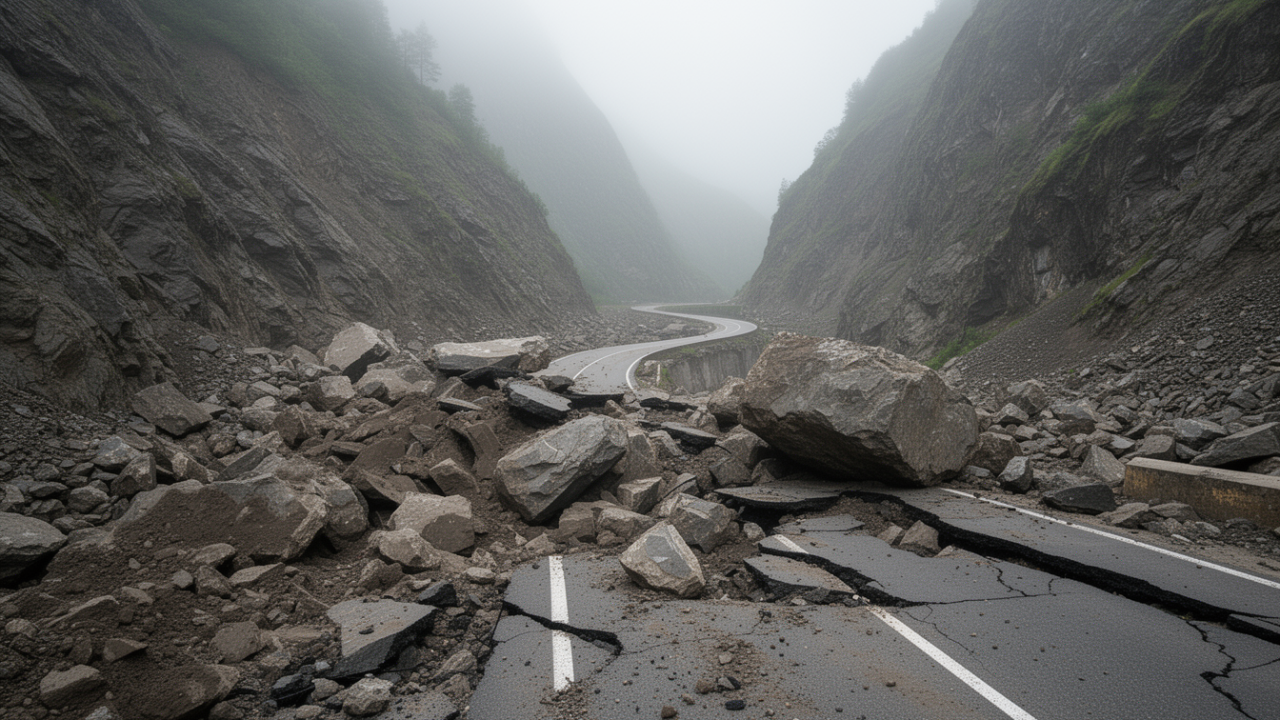
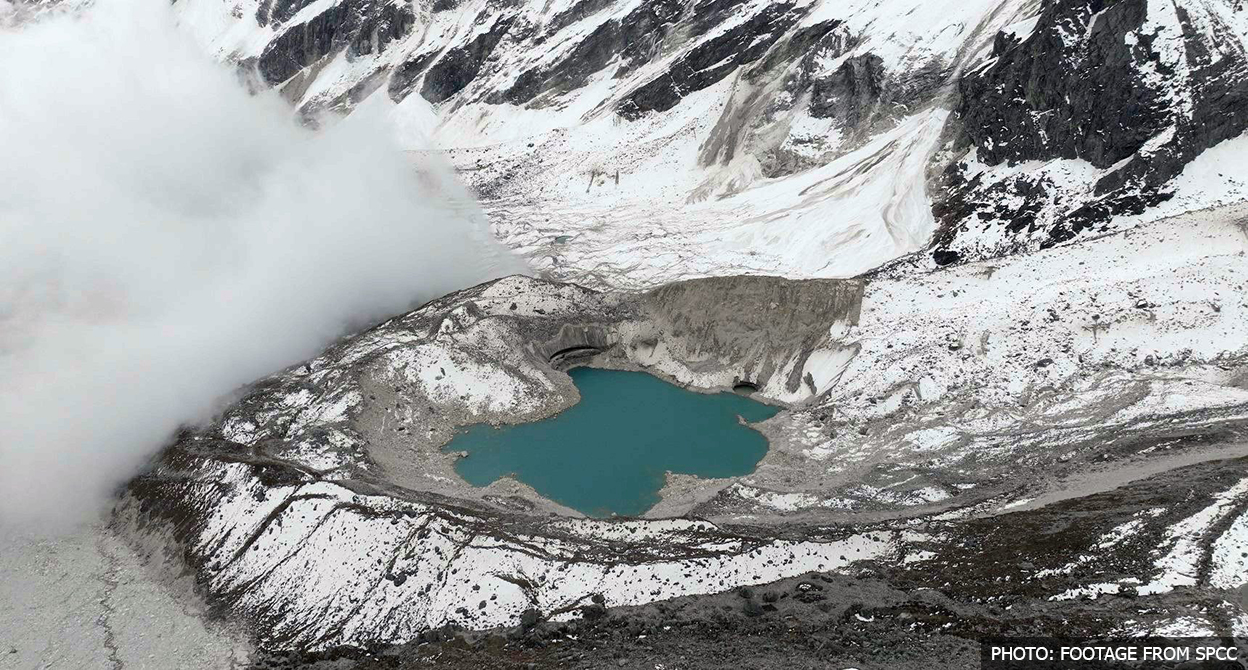
An outburst from Sintaphu Lake in Bhutan has heightened flood risks for downstream regions in West Bengal and Assam, highlighting a "critical monitoring gap" in the Hindu Kush Himalaya. The event has prompted high alertness in six districts of India’s Assam state, underscoring the urgent need for regional cooperation in disaster management. This incident reinforces recent findings that retreating glaciers and expanding glacial lakes are creating cascading disaster threats across the entire Himalayan region.
Nepal launches $49.9M mitigation and warning expansion
The Nepali government is finalizing a 2026–2033 project worth USD 49.9 million to lower water levels in four high-risk glacial lakes and expand flood early warning systems across six river basins. The initiative includes a significant contribution of USD 36 million from the Green Climate Fund, with the UNDP providing USD 2 million. This move follows deadly floods earlier this year and aims to address the increasing instability of mountain terrain.
Seismic sensors proposed for GLOF detection
Researchers are exploring the use of earthquake monitoring devices (seismometers) to predict sudden, large-scale floods like those in the Bhotekoshi and Trishuli rivers. This innovative approach could provide crucial lead times for communities living downstream of glacial lakes, potentially saving lives by detecting the specific wave patterns generated by glacial lake outbursts.
Infrastructure risks in Sikkim and Uttarakhand
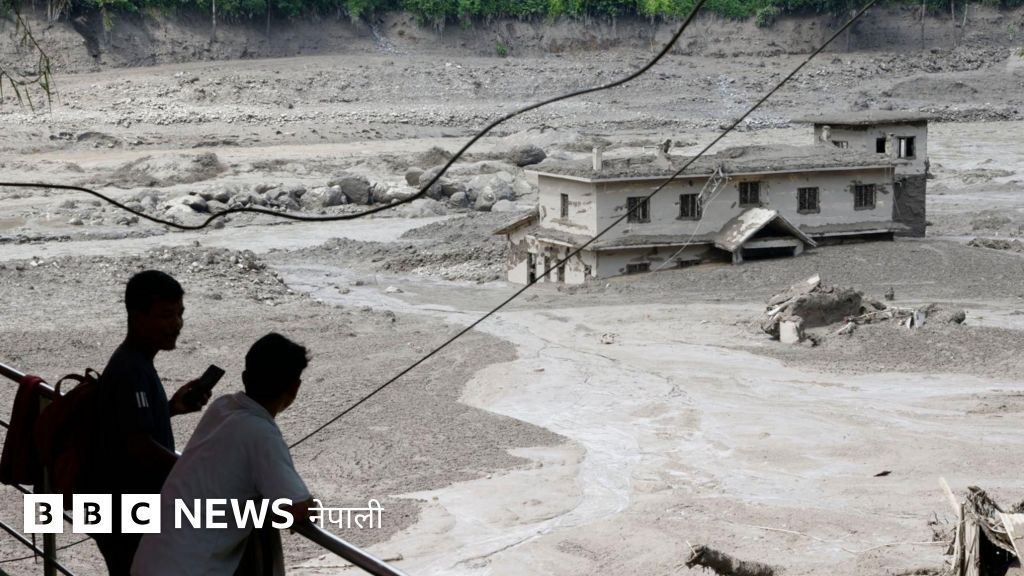
Intensive construction for tourism and infrastructure in parts of Nepal and India’s Uttarakhand has placed approximately 300,000 people at potential risk from glacial floods. In Sikkim, local groups are urging Prime Minister Modi to halt hydropower projects, citing the ecological dangers exposed by recent flash floods in neighboring Nepal.
Local view
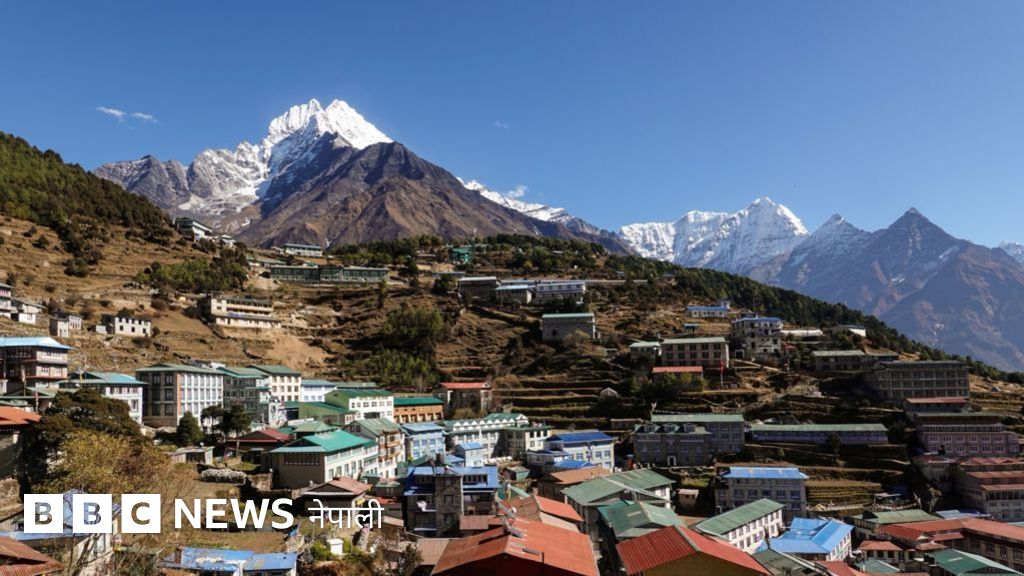
Nepali media outlets like OnlineKhabar and Hamro Patro are closely tracking the government's dual strategy of draining dangerous lakes and deploying early warning systems in six major river basins. Local stakeholders are also focusing on post-flood recovery, with recent assessments estimating reconstruction costs for the Bhotekoshi floods at over Rs 700 billion (approx. USD 4.7 billion), emphasizing the need for resilient infrastructure rather than simple replacement.
Context & numbers
- Ice Loss Rate: Glaciers in the Hindu Kush Himalaya are losing ice at double the rate compared to the year 2000, according to ICIMOD reports.
- Glacial Lake Count: A comprehensive inventory identified 28,043 glacial lakes across Himalayan river basins, with 7,570 in India and 20,473 in transboundary areas.
- GLOF History: More than 388 glacial lake outburst flood events have been recorded in the region to date.
- Funding Breakdown: Nepal's mitigation project is funded by USD 36 million from the Green Climate Fund, USD 2 million from UNDP, and the remainder by the Nepali government.
On the radar
- Upcoming Damage Reports: The Nepali government plans to publish a comprehensive damage assessment for the Bhotekoshi floods before the Tihar festival, solidifying the Rs 700 billion+ recovery estimate.
- Geological Monitoring: Continued scrutiny of landslide-dam breaches, such as the recent Budhi Gandaki event, which may have been triggered by temporary river blockages rather than direct GLOFs.
- Siang Dam Debate: Growing controversy over India's planned Siang Dam, with critics arguing it poses ecological risks and fails to account for Himalayan geological instability highlighted by recent disasters.
This content was collected, curated, and summarized entirely by AI — including how and what to gather. It may contain inaccuracies. Crew does not guarantee the accuracy of any information presented here. Always verify facts on your own before acting on them. Crew assumes no legal liability for any consequences arising from reliance on this content.
Powered by