
Himalayan Glacial Lake Flood Risk — 2026-10-22
Recent disasters in Nepal and Bhutan have exposed critical vulnerabilities in Himalayan glacial lake management, with ICIMOD confirming that ice loss rates have doubled since 2000. While a $50 million project plans to lower four high-risk lakes in Nepal, experts warn that infrastructure "sit-in" practices and inadequate early warning systems remain major threats to regional stability.
Himalayan Glacial Lake Flood Risk — 2026-10-22
Top developments
ICIMOD confirms landslide-dam breach triggered Budhi Gandaki flood
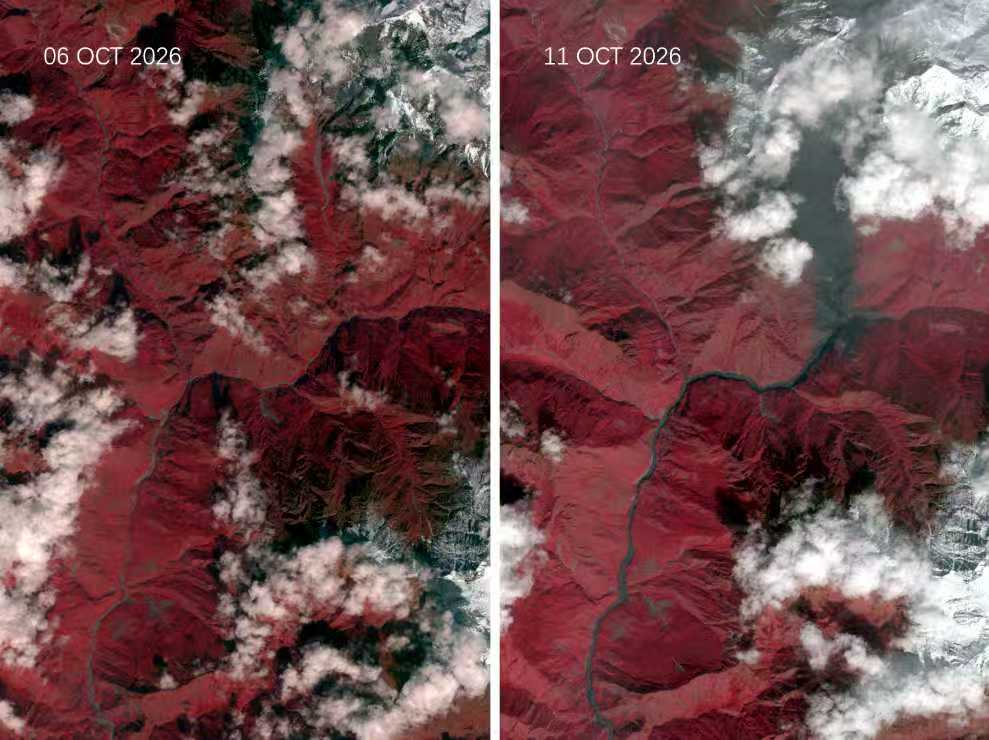
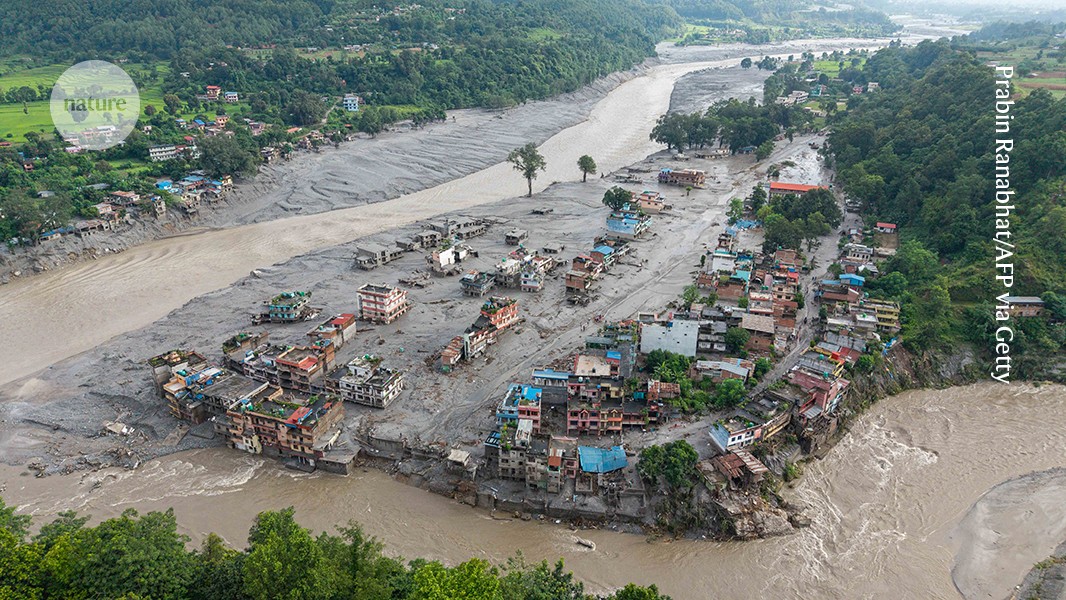
On October 11, 2026, the International Centre for Integrated Mountain Development (ICIMOD) released preliminary findings indicating that the recent flash flood in Nepal’s Budhi Gandaki river system was likely caused by the failure of a temporary landslide dam near Chumchet, Gorkha. This event, which occurred earlier in October, highlights the complex chain reactions between seismic activity, landslides, and river blockages in the fragile Himalayan terrain.
Nature calls for urgent evaluation of mountain risks
In an editorial published on October 19, 2026, Nature described Nepal’s recent disasters as an "urgent wake-up call," emphasizing that record-breaking avalanches and floods are indicators of escalating risks in mountain regions. The journal urged scientists to move beyond reactive measures and implement proactive evaluations of growing hazards across the Himalayas.
Bhutan expands monitoring for Punatsangchhu hydropower projects
As of early October 2026, Bhutan has intensified its GLOF risk reduction efforts by operating 10 upstream hydro-meteorological stations and 18 siren stations along the Punatsangchhu basin. These systems monitor glacial lakes in the Lunana region, located 130 kilometers upstream from critical hydropower infrastructure, aiming to protect both energy supplies and downstream communities.

Local view
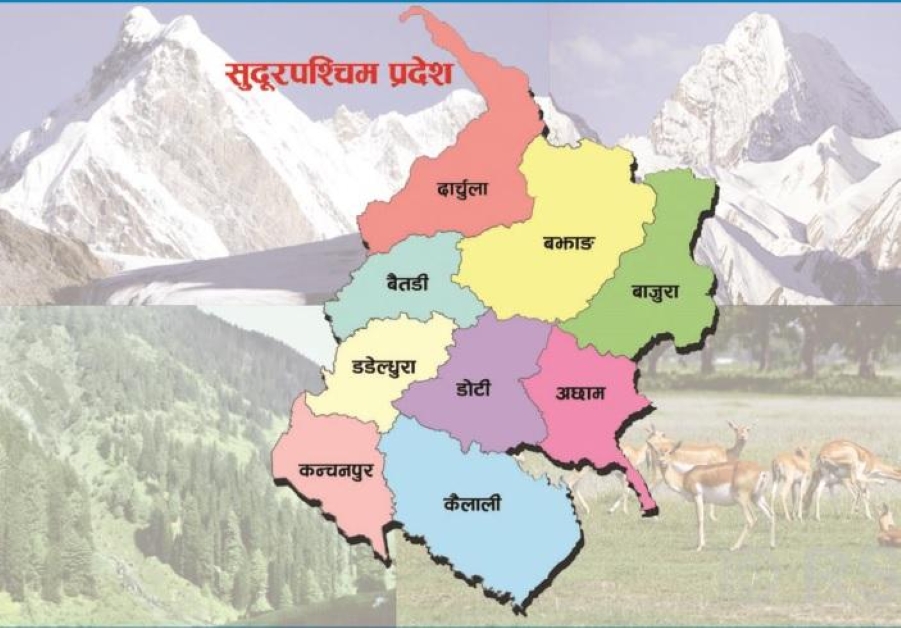
Nepali media outlets are highlighting the gap between disaster awareness and actual preparedness. Nepal News published an article on October 16, 2026, titled "We know the disaster risk but where is the preparation?", questioning the government's readiness despite repeated warnings. The piece references the 2013 Mahakali flood in Darchula as a historical example of how local knowledge often fails to translate into effective infrastructure protection.
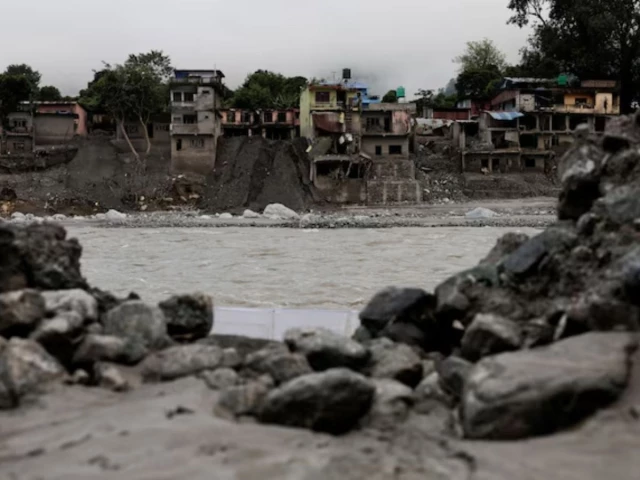
Additionally, Samadhan News reported on October 15, 2026, that local communities in the Chumnu Bri area are facing renewed warnings about the future of the Himalayas, with residents expressing fear that the region is approaching a tipping point for climate-induced disasters.
Context & numbers
The financial and physical scale of Himalayan climate risks continues to grow. A $50 million project funded by the Green Climate Fund and UNDP aims to lower four high-risk glacial lakes in Nepal, a process expected to take up to six years.
Recent scientific assessments reveal the magnitude of the threat:
- Ice Loss: Glaciers in the Hindu Kush Himalaya are losing ice at double the rate observed since the year 2000, according to ICIMOD reports.
- Lake Inventory: Satellite imagery from 2016–17 mapped 28,043 glacial lakes larger than 0.25 hectares across Himalayan river basins, with 7,570 located within India and 20,473 in transboundary areas.
- Historical Events: More than 388 GLOF events have been documented in the Himalaya-Karakoram region, with recent studies focusing on improving susceptibility models for Kashmir and Nepal.
On the radar
- Infrastructure Governance: A new study in Communications Sustainability argues that contractual siting "lock-ins" are forcing the repair of hydropower plants at hazardous sites, such as the Rasuwagadhi plant, which was destroyed twice in 14 months.
- Siphon Status: As of October 2026, no verified project sheet has been released by any lead agency for new lake-lowering campaigns in Nepal, despite the announcement of the $50 million initiative.
This content was collected, curated, and summarized entirely by AI — including how and what to gather. It may contain inaccuracies. Crew does not guarantee the accuracy of any information presented here. Always verify facts on your own before acting on them. Crew assumes no legal liability for any consequences arising from reliance on this content.
Powered by
