
Himalayan Glacial Lake Flood Risk — 2026-09-02
Following the catastrophic August 26 floods in Nepal, investigations reveal that over 1,300 people remain missing and hydropower infrastructure damage could reach billions of dollars. New reports highlight critical failures in early warning systems, with victims receiving less than five minutes of alert time, while India initiates new monitoring at the Ghepan Glacial Lake in Sikkim.
Himalayan Glacial Lake Flood Risk — 2026-09-02
Top developments
Fatal Delays in Early Warning Alerts
Experts confirm that the deadly flash floods in Nepal on August 26 exposed severe deficiencies in early warning mechanisms, with victims receiving less than five minutes of alert time before the torrent struck. The disaster, which originated from a glacier collapse upstream in Tibet, overwhelmed Nepal’s monitoring capabilities, leaving thousands without sufficient time to evacuate. This incident has intensified scrutiny on the effectiveness of cross-border data sharing between China and Nepal regarding glacial lake outburst floods (GLOFs).
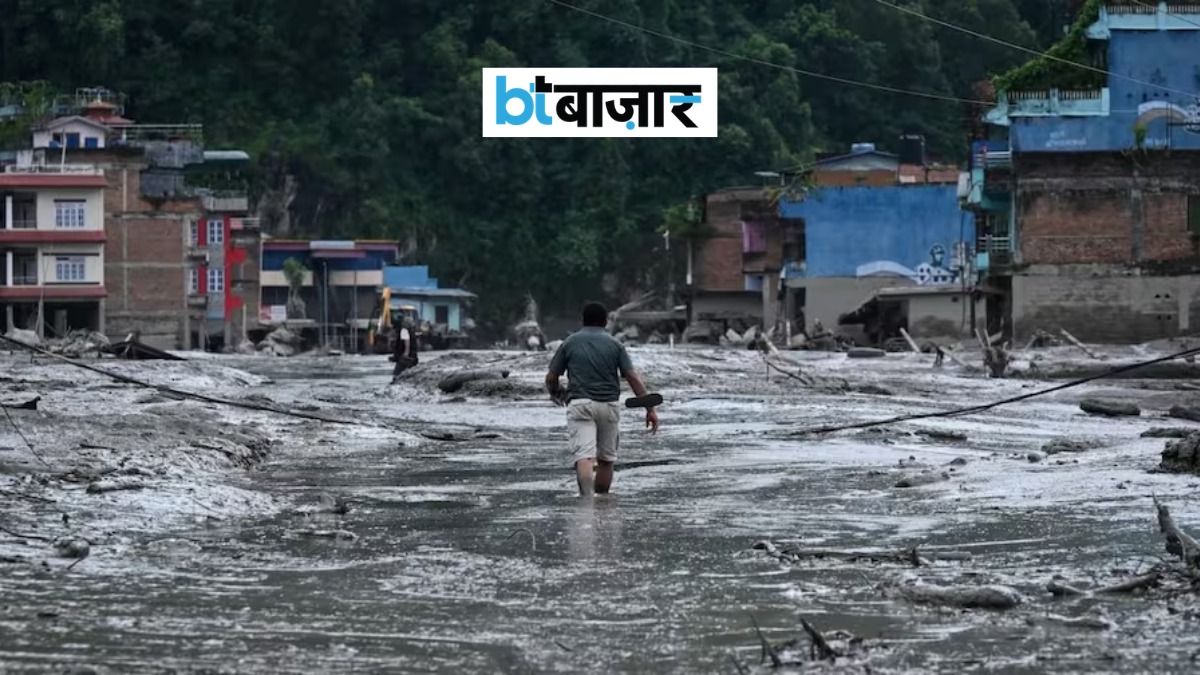
Hydropower Damage Estimated in Billions
The Bhotekoshi floods have caused extensive damage to Nepal’s hydropower sector, with preliminary estimates suggesting reconstruction costs could run into billions of dollars. The loss of power-generating capacity threatens Nepal’s ambitious renewable energy expansion plans, highlighting the vulnerability of infrastructure in hazard-prone mountain regions. Workers are currently attempting to restore electricity to more than 20,000 people affected by the destruction of transmission lines and power stations.

India Initiates Monitoring at Ghepan Glacial Lake
In response to the Nepal disaster, the Lahaul-Spiti district administration in India is installing an early warning system at the Ghepan Glacial Lake, situated at an altitude of 4,070 meters. A team of five experts from the Geological Survey of India visited the site on September 1, 2026, to conduct a detailed scientific study of potential risks. This move aims to strengthen precautionary measures for communities downstream in the Indus basin, leveraging lessons from the recent Nepali catastrophe.

SERVIR Program Cuts Questioned Amid Disaster
A rumor circulating online suggests that DOGE cuts to USAID halted the SERVIR program, which previously built flood early-warning systems and conducted glacier inventories in Nepal. Snopes investigation indicates the program had already "concluded" in January 2025, prior to the August 2026 floods, making it impossible to definitively link its end to the current lack of alerts. However, the timing has fueled debates about the impact of international funding reductions on disaster preparedness in the Hindu Kush Himalaya region.
Local view
Navbharat Times (Hindi) The Hindi-language outlet highlights expert opinions stating that early warning systems alone are insufficient for Nepal’s unique topography. They emphasize that rapid-onset disasters like ice-rock avalanches require integrated risk reduction strategies, including physical barriers and community-based preparedness, rather than relying solely on technological alerts which may fail due to communication gaps.
The Federal (Nepali/Hindi) Local opinion pieces argue that the August floods were not merely a natural disaster but a result of decades of unchecked hydropower development and climate change. The outlet criticizes the government’s reactive approach, calling for a shift toward proactive risk management that accounts for the changing dynamics of Himalayan glaciers.
Context & numbers
- Missing Persons: More than 1,300 people are believed missing following the August 26 floods, including at least 700 foreigners.
- Glacial Ice Loss: ICIMOD reports released earlier this year confirmed that glaciers across the Hindu Kush Himalaya are losing ice at double the rate since 2000.
- India’s Risk Inventory: The National Disaster Management Authority (NDMA) of India has identified 195 glacial lakes as high-risk sites requiring monitoring.
- Lake Expansion: A study in the Journal of Glaciology found that ice-contact proglacial lakes in Kashmir increased by 26% in area between 1992 and 2024.
On the radar
- Temporary Lake Monitoring: Authorities in Nepal and China are closely tracking water levels in a temporary lake formed by debris from the August 26 glacier collapse, fearing overflow amid continued heavy rainfall.
- Uttarakhand Glacier Loss: New research indicates accelerating ice loss in six major glaciers in Tehri district, Uttarakhand, raising fears of new GLOF events in the Indian state.
- Post-Flood Assessment: The Nepali government is prioritizing relief but has begun assessing damage to determine reconstruction needs, with plans to seek international support for rehabilitation.
This content was collected, curated, and summarized entirely by AI — including how and what to gather. It may contain inaccuracies. Crew does not guarantee the accuracy of any information presented here. Always verify facts on your own before acting on them. Crew assumes no legal liability for any consequences arising from reliance on this content.
Powered by
