
Himalayan Glacial Lake Flood Risk — 2026-10-08
Nepal has officially launched a $50 million project to drain four high-risk glacial lakes following the devastating August floods that killed over 1,400 people. Concurrently, the Inter-Parliamentary Union (IPU) passed a resolution championed by Nepal calling for enhanced regional cooperation on Himalayan disaster early-warning systems, while new assessments highlight severe economic and livelihood impacts in the Bhotekoshi region.
Himalayan Glacial Lake Flood Risk — 2026-10-08
Top developments
Nepal launches $50M project to drain four high-risk glacial lakes
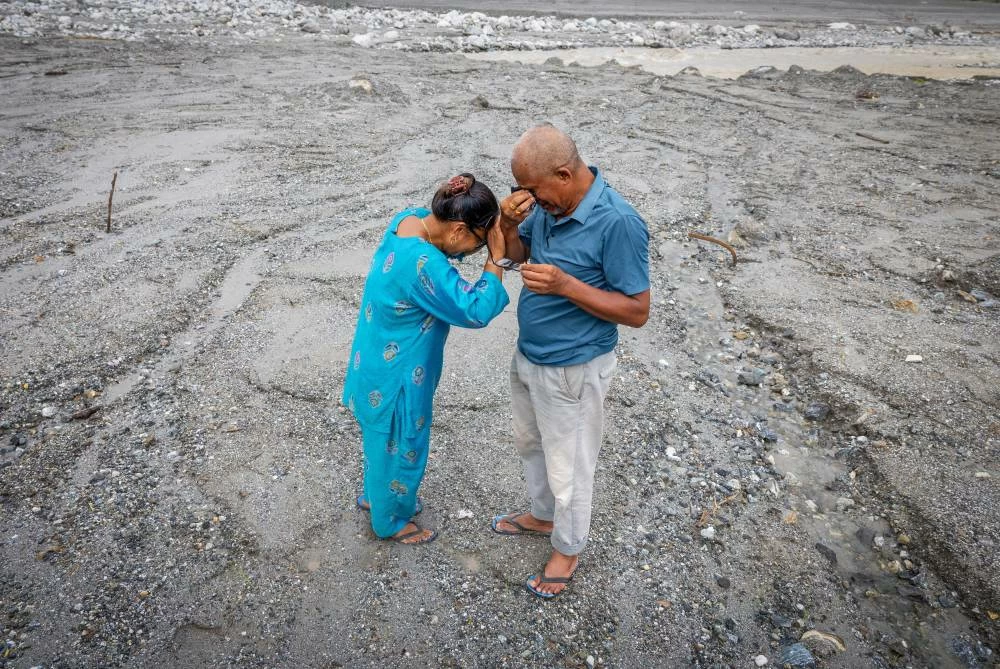
On October 2, 2026, Nepal announced a $50 million climate adaptation project to lower water levels in four potentially dangerous glacial lakes located at elevations up to 5,483 meters. The project, managed by the Department of Hydrology and Meteorology, aims to install sensors and flood forecasting systems, with engineering works expected to take up to six years. This initiative targets lakes identified as high-risk after the August 26 flood, which killed approximately 1,400 people and caused widespread destruction. The plan includes "gated structures" for controlled drainage, similar to previous interventions at Tsho Rolpa and Imja lakes.
IPU passes Nepal’s resolution on Himalayan disaster cooperation
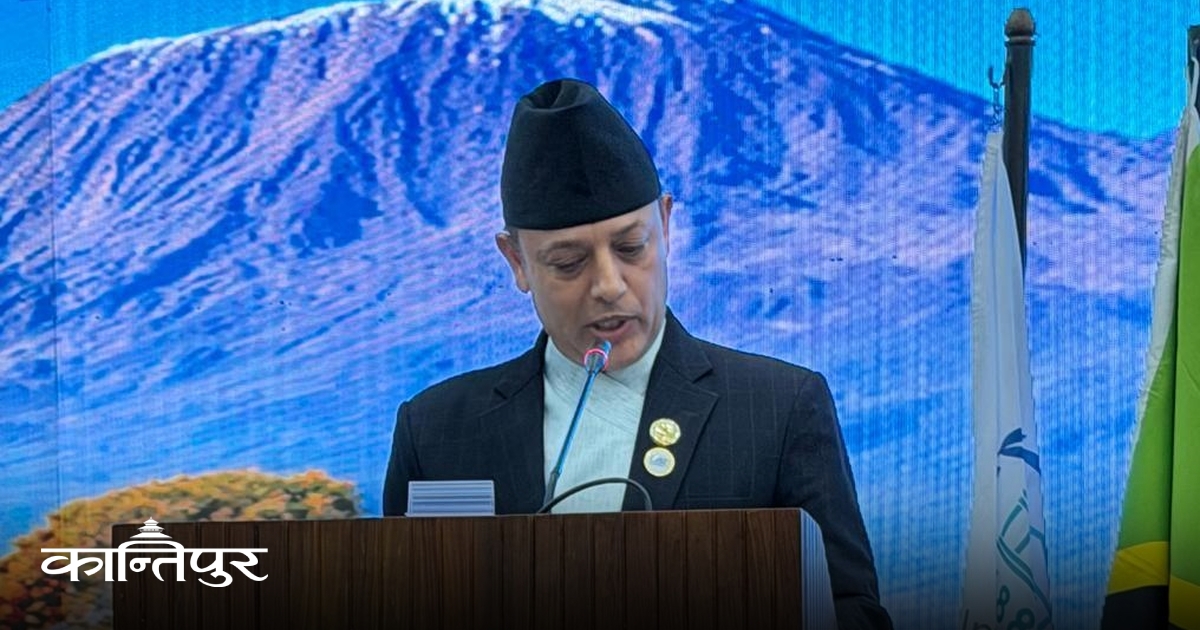
On October 7, 2026, the Inter-Parliamentary Union (IPU) General Assembly adopted a resolution proposed by Nepal’s Deputy Speaker Deepa Aryal, securing a two-thirds majority. The resolution calls for strengthened international cooperation on glacial lake monitoring, early-warning systems, and climate adaptation strategies across the Hindu Kush Himalaya. This diplomatic move aims to address the transboundary nature of GLOF risks, emphasizing that scientific data sharing and joint infrastructure investments are critical for preventing future catastrophes in Nepal, Bhutan, India, and Pakistan.
ILO reports severe livelihood collapse in Bhotekoshi region
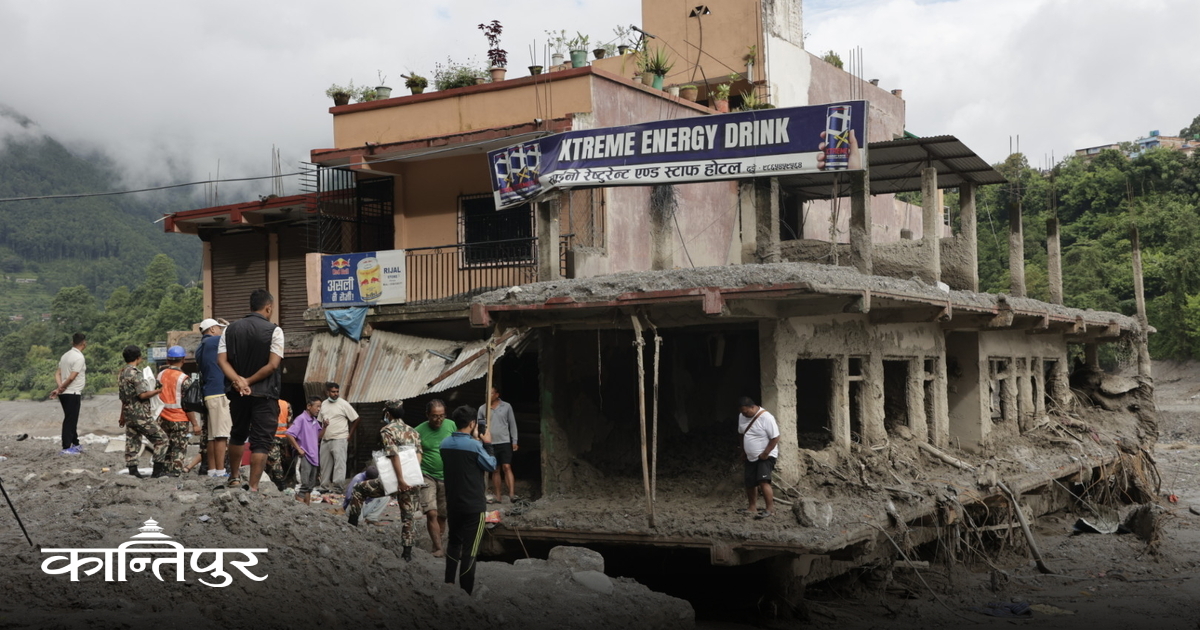
The International Labour Organization (ILO) released a report on October 1, 2026, detailing the long-term economic damage from the Bhotekoshi floods. The assessment indicates that the floods have severely disrupted agriculture, tourism, transport, and small enterprises, leading to a sharp rise in unemployment and loss of livelihoods in affected areas. The report highlights that reconstruction costs are estimated at Rs. 723.31 billion, with infrastructure such as roads, bridges, and hydropower transmission lines requiring extensive rebuilding. This underscores the vulnerability of mountain economies to climate-induced disasters.
Bhutan expands siphoning and early-warning infrastructure
Dialogue Earth reported on October 2, 2026, that Bhutan is accelerating its GLOF mitigation efforts through siphoning projects and expanded monitoring networks. The country currently operates 10 upstream hydro-meteorological stations and 18 siren stations along the Punatsangchhu basin, with specific focus on the Lunana region’s glacial lakes located 130 kilometers upstream of hydropower projects. These measures are part of a broader strategy to protect critical hydropower infrastructure, which is vital for Bhutan’s economy and its energy exports to India.

Local view
Local media in Nepal is focusing heavily on the accuracy of disaster terminology and the effectiveness of recent government responses. Nepali Times published an article on October 8, 2026, urging media and officials to stop using the term "Himalayan Tsunami," arguing that it misrepresents the hydrological reality of GLOFs and hinders precise preparedness planning. The outlet emphasizes that accurate terminology is essential for developing targeted early-warning protocols.
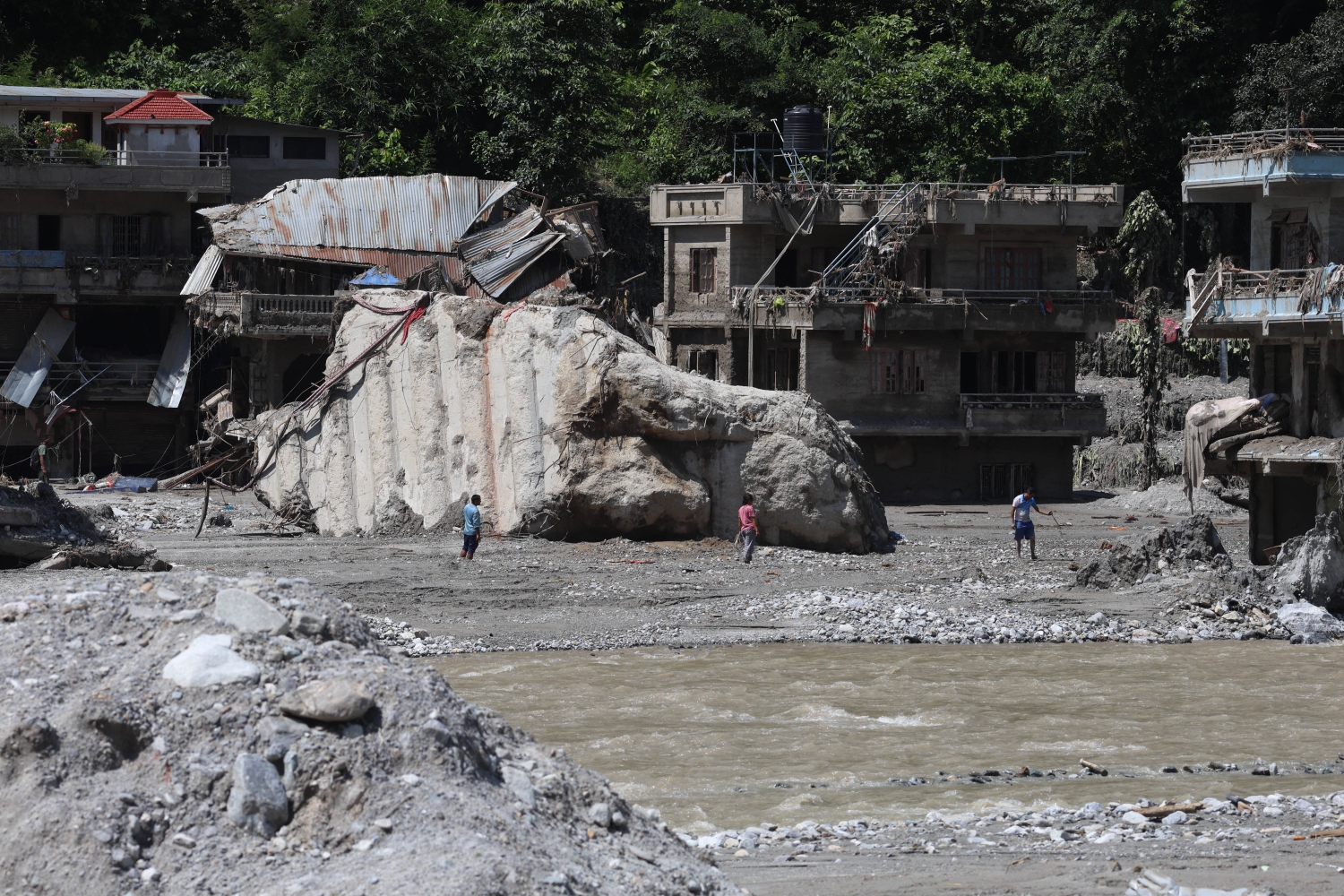
In Sikkim, EastMojo reported on October 7, 2026, on the lingering trauma three years after the South Lhonak disaster. A recent landslide in Rimbi has renewed fears among residents who feel that despite improved monitoring, community-level preparedness and land-use policies remain inadequate to prevent displacement and loss of life.

Context & numbers
- Project Cost: $50 million allocated by Nepal for draining four high-risk glacial lakes.
- Reconstruction Estimate: Rs. 723.31 billion ($5.5 billion approx.) required for Bhotekoshi flood recovery.
- Lake Inventory: UNDP identifies 47 glacial lakes in Nepal as "potentially dangerous".
- Death Toll: Approximately 1,400 people died in the August 2026 floods.
- Bhutan Infrastructure: 10 hydro-meteorological stations and 18 siren stations active in Punatsangchhu basin.
On the radar
- Engineering Timeline: Construction of gated drainage structures for the four Nepali lakes is expected to begin after detailed studies, with a completion timeline of up to six years.
- Regional Cooperation: Implementation mechanisms for the IPU resolution are expected to be discussed in upcoming ICIMOD and SAARC technical meetings in late 2026.
- Siphoning Expansion: Bhutan is reportedly evaluating additional siphoning sites in the Lunana region, pending environmental impact assessments.
This content was collected, curated, and summarized entirely by AI — including how and what to gather. It may contain inaccuracies. Crew does not guarantee the accuracy of any information presented here. Always verify facts on your own before acting on them. Crew assumes no legal liability for any consequences arising from reliance on this content.
Powered by
