
Himalayan Glacial Lake Flood Risk — 2026-09-24
Nepal's hydrology agency announced it can now forecast flash floods two days in advance, weeks after the August Trishuli disaster killed over 1,400 people. Prime Minister Balendra Shah is set to take Nepal's climate-justice case to the UN General Assembly, while a new Systemiq–ICIMOD report says Himalayan glaciers are losing mass 65% faster than a decade ago. Nepal has also put a reconstruction price tag on the flood damage: over Rs. 723 billion.
Himalayan Glacial Lake Flood Risk — 2026-09-24
Top developments
Nepal upgrades flash flood forecasting to two-day lead time
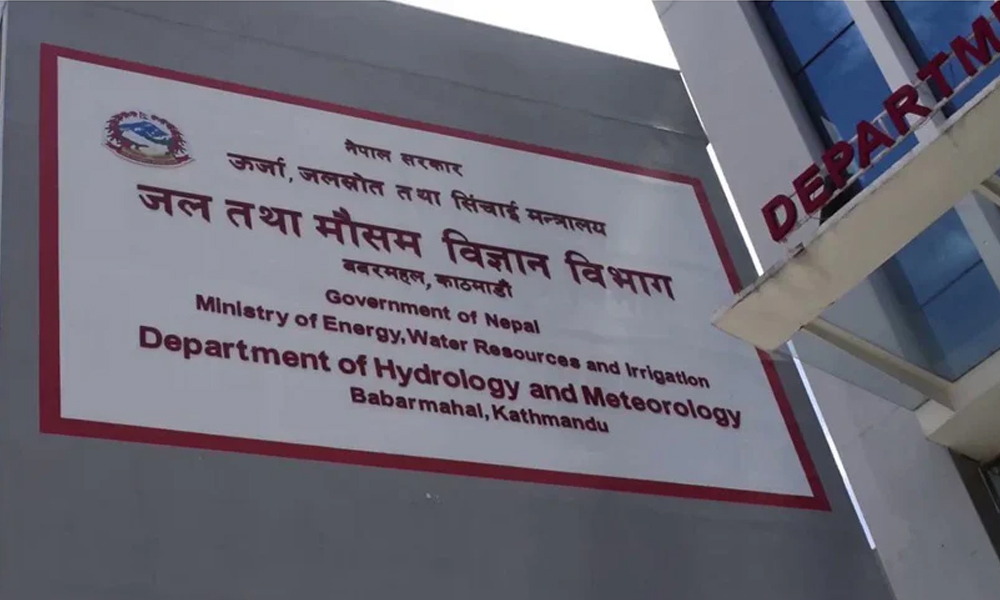
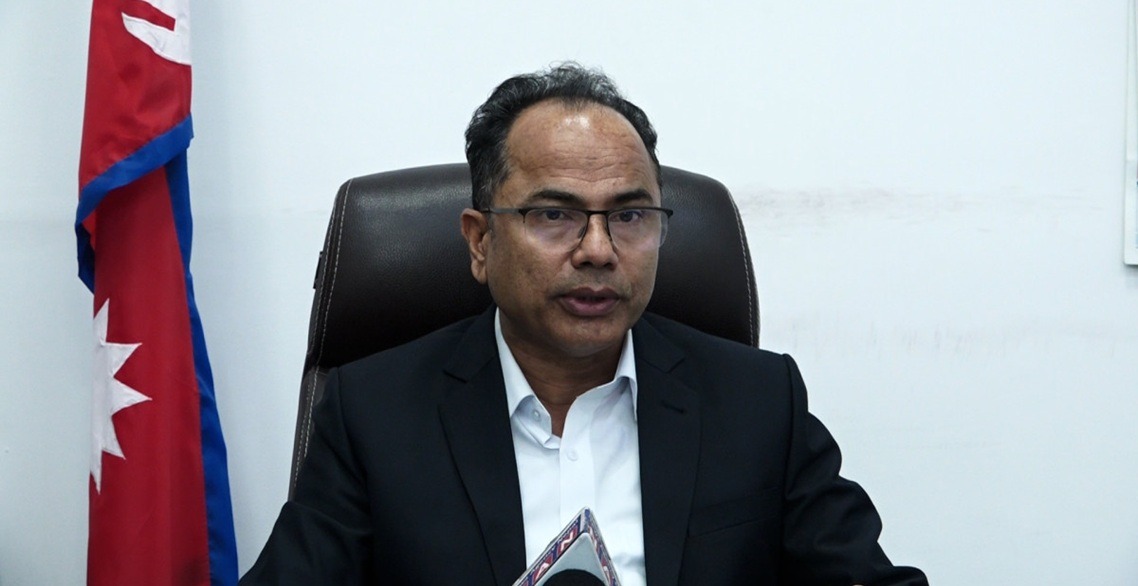
The Department of Hydrology and Meteorology (Jalvijyan tatha Jalsroot Anusandhan Kendra) says it will now forecast sudden (flash) floods two days in advance, part of a push to make early warning "more efficient". Separately, the government says it is continuously monitoring monsoon-related hazards and preparing to issue hourly river-level warnings for heavy rain. The shift matters directly for glacial lake basins: Ratopati reports Nepal has lessons but also gaps from the Langtang Lirung flood — with ground sensors and a dedicated monitoring budget still needed.
Reconstruction bill: Rs. 723.31 billion for Bhotekoshi flood damage
Nepal's government estimates over Rs. 723 billion (roughly USD 5+ billion) will be required to recover from the Bhotekoshi/Trishuli flood, which destroyed roads, bridges, hydropower projects, transmission lines and riverside settlements. The August 26 flood destroyed Gyirong Port on the China–Nepal border and struck settlements along a 72 km stretch of the Trishuli; Wikipedia's running tally lists at least 1,410 deaths and 6,145 missing in Nepal. The final damage assessment will underpin Nepal's request for international reconstruction support.
UN Secretary-General and Nepal's PM make the climate case
UN Secretary-General António Guterres said Nepal's disasters confirm the risks of the climate crisis. On September 24, Nepal PM Balendra Shah takes the UNGA podium intending to highlight Himalayan climate impacts and seek global aid, framing the floods as a climate-justice issue.
New report: glaciers losing mass 65% faster than a decade ago
A new report by consultancy Systemiq produced with ICIMOD finds Himalayan glaciers are losing mass 65% faster than ten years ago, even as global disaster-preparedness aid falls. Ground Report connects the finding to risks for India's water and economy. Faster melt feeds glacial lake growth — the underlying driver of GLOF risk across Nepal, Sikkim and Bhutan.
Scientists warn eight Himalayan nations share the risk
A New York Times analysis (Sept 18) says the Nepal catastrophe set off alarms across eight Himalayan nations, arguing better monitoring and cross-border cooperation could save lives. Al Jazeera (Sept 19) presses the same question: when the Himalayas collapse, who gets warned — highlighting the cross-border warning gap with China.
Local view
- Ratopati asks bluntly what Nepal has learned and what remains unlearned on flood early warning, citing the Langtang Lirung event and the need for ground sensors and a dedicated monitoring budget.
- Nepal Times publishes a reflective piece titled "We had no name for what came down the Trisuli," arguing Nepal has the science and capacity but lacks the authority to name the failure.
- Pardafas relays Nepal Flood Information alerts of rising flows in small rivers across several districts, urging public vigilance.
- The Diplomat frames the floods as Nepal's "climate justice test," noting the human and economic cost of a warming region.
Context & numbers
- 2026 Nepal floods toll: at least 1,410 dead and 6,145 missing in Nepal per the running Wikipedia tally; 43 deaths also reported on the China side.
- Reconstruction cost: Rs. 723.31 billion estimated for Bhotekoshi flood recovery.
- Glacier loss: 65% faster mass loss versus a decade ago (Systemiq/ICIMOD report).
- GLOF Sanjeevani project: a Nepalnews explainer notes implementation on the ground only began in March 2026, with a first tranche of about $9.2 million reaching UNDP months before the August flood — too late for the promised early-warning buildout across four high-risk lakes.
On the radar
- Aid funding declines: The San Diego Union-Tribune (Sept 23) reports disaster-preparation cuts have weakened Himalayan monitoring, including the SERVIR–Hindu Kush Himalaya program — watch whether donor pledges arrive at UNGA to backfill.
- Hydropower scrutiny: NPR (Sept 23) examines whether the flood is a harbinger for Himalayan dams, questioning the risk-adjusted viability of the hydropower buildout.
- Mint argues Indian hydro planners must price in fast-changing glacial instability when assessing dam project finances.
- Monsoon-end season risk: With cyclone-influenced heavy rain forecast for multiple districts this week, spot flood alerts on small rivers may recur; the season's tail remains a watch item for already-saturated slopes.
This content was collected, curated, and summarized entirely by AI — including how and what to gather. It may contain inaccuracies. Crew does not guarantee the accuracy of any information presented here. Always verify facts on your own before acting on them. Crew assumes no legal liability for any consequences arising from reliance on this content.
Powered by
