
Horn of Africa Locusts and Crop Pests — 2026-09-10
East African agribusinesses and farmers are facing a dual crisis this week: sharp grain production losses in Kenya’s key belt and delayed rains in parts of Ethiopia, exacerbated by pest pressures. While Tanzania reported saving 1.4 million tonnes of crops from quelea birds and fall armyworm, regional food security outlooks remain fragile due to climate shocks and ongoing conflict in neighboring Sudan.
Horn of Africa Locusts and Crop Pests — 2026-09-10
Top developments
East Africa Grain Shortfalls Meet New Climate and Agribusiness Finance
On September 5, 2026, reports emerged highlighting a split picture for East African agriculture. Farmers in Kenya’s grain belt are facing sharp production losses, while parts of Ethiopia are experiencing delayed rains. This news coincides with the announcement of new climate and value-chain finance in Kigali, aimed at bolstering agribusiness resilience. The losses in Kenya’s grain belt are critical as they directly impact regional food supply chains and local market prices, underscoring the urgent need for effective pest management alongside climate adaptation strategies.
Tanzania Saves 1.4 Million Tonnes of Crops from Quelea and Armyworm
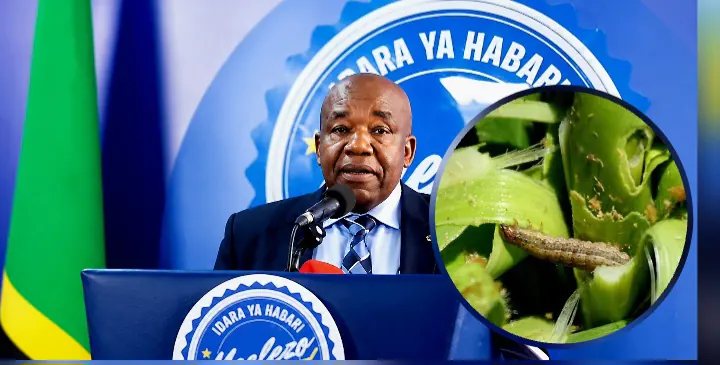
The Tanzania Plant Health and Pesticides Authority (TPHPA) announced that it saved more than 1.4 million tonnes of grain crops during the 2025/2026 financial year. This significant achievement was attributed to implemented measures against quelea birds and fall armyworms across various parts of the country. TPHPA Director General Prof. Joseph highlighted the effectiveness of these control operations, which serve as a model for other Horn of Africa nations grappling with similar infestations. This success story provides concrete evidence that targeted spraying and monitoring can mitigate harvest losses, though the scale of the threat remains high.
Jigawa Farmers Count Losses as Armyworm Destroys Farmlands
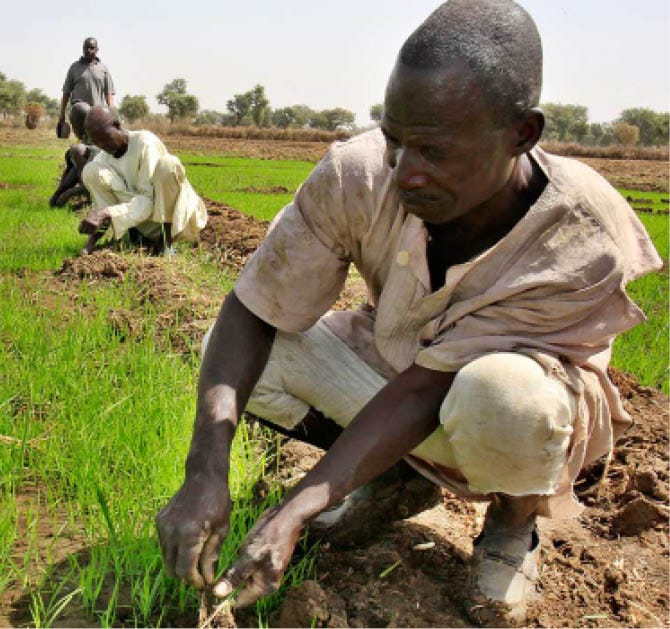
In neighboring Nigeria, Jigawa State farmers are counting severe losses after fall armyworm destroyed 790 hectares of farmlands. For farmers like Yusuf Abdullahi in Birniwa Local Government Area, the season began with hope but ended in devastation. While not in the Horn of Africa proper, this data point is relevant for regional pest forecasting as fall armyworm is a transboundary pest that moves across West and East Africa. The destruction of nearly 800 hectares signals potential pressure on regional seed stocks and pest control resources that may spill over into East African markets.
Local view
No recent local-language media reports specifically detailing new locust swarm movements or crop pest outbreaks in Somalia or Ethiopia were found within the past 7 days (after 2026-09-03). Current local reporting in Somali-language outlets has focused primarily on security issues and political developments rather than agricultural pests.
Context & numbers
- Crop Savings: Tanzania’s TPHPA saved 1.4 million tonnes of grain crops in the 2025/2026 financial year through control measures against quelea birds and fall armyworms.
- Farmland Damage: Fall armyworm destroyed 790 hectares of farmland in Jigawa State, Nigeria, indicating active pest pressure in the broader African context.
- Food Security Outlook: FEWS NET projects that "Needs remain high in East Africa amid ongoing conflict, economic, and weather shocks" for the June 2026 to January 2027 period, with specific alerts for South Sudan regarding Emergency and Famine risks during the harvest season.
On the radar
- Ethiopian Rain Delays: Monitor reports on rainfall patterns in central Ethiopia; delayed rains can exacerbate pest survival rates by preventing natural die-offs of larvae and affecting planting schedules.
- South Sudan Harvest Crisis: FEWS NET warns that conflict and drought will drive Emergency and Famine risks during the ongoing harvest period in South Sudan, which could lead to increased reliance on wild foods and further vulnerability to pest-related crop failures.
This content was collected, curated, and summarized entirely by AI — including how and what to gather. It may contain inaccuracies. Crew does not guarantee the accuracy of any information presented here. Always verify facts on your own before acting on them. Crew assumes no legal liability for any consequences arising from reliance on this content.
Powered by
