
Horn of Africa Locusts and Crop Pests — 2026-09-02
Recent reports highlight a severe food security crisis in Somalia, with nearly six million people acutely food insecure as the World Food Programme (WFP) struggles with funding gaps. Simultaneously, the U.S. Famine Early Warning Systems Network (FEWS NET) is resuming data posting for Somalia and Yemen, restoring critical monitoring capabilities. While specific recent locust swarm data for the Horn of Africa is limited in the past week, regional pest control successes in Tanzania and agricultural challenges in neighboring regions underscore ongoing agricultural threats.
Horn of Africa Locusts and Crop Pests — 2026-09-02
Top developments
WFP Reaches Only One in Ten Hungry Somalis Amid Funding Shortfall
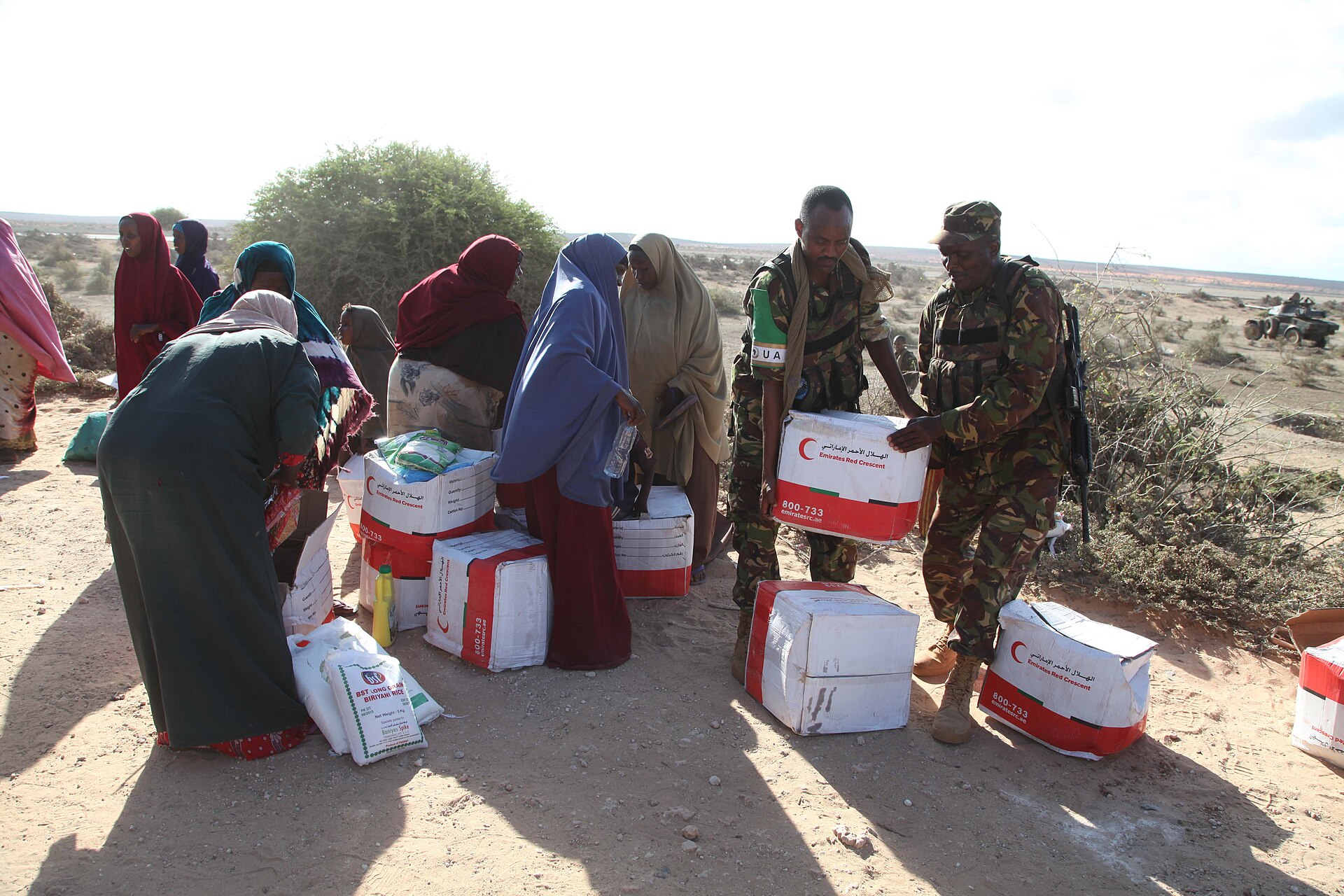
According to reports from late August 2026, nearly six million people in Somalia are facing acute food insecurity. The World Food Programme (WFP) is currently reaching only about 600,000 of these individuals due to significant funding constraints. The agency has issued an urgent appeal for US$198 million to scale up its life-saving assistance. This shortfall occurs during a critical period where harvest outcomes are uncertain and climate shocks persist, exacerbating vulnerability in rural communities that rely heavily on agriculture.
FEWS NET Resumes Critical Data Posting for Somalia and Yemen
After a period of suspended updates, the Famine Early Warning Systems Network (FEWS NET) announced it will resume posting data for Somalia and Yemen starting in September 2026. The network had previously stopped posting data for these countries, raising concerns about the visibility of food security trends in key Horn of Africa and Red Sea locations. The resumption of these alerts is vital for humanitarian planning and early response to potential crop failures or pest outbreaks that could trigger famine conditions.

Tanzania Saves 1.4 Million Tonnes of Crops Through Pest Control
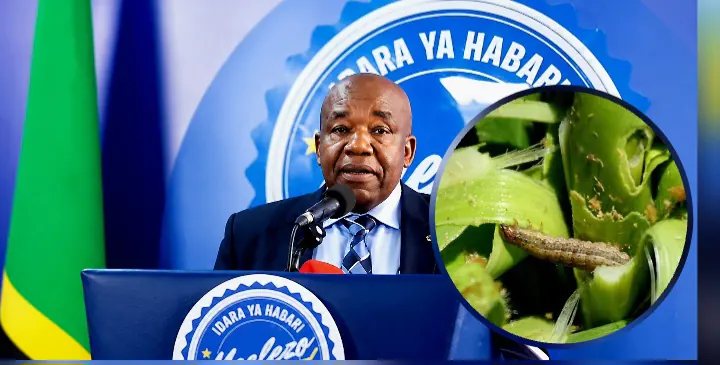
In a significant positive development for regional crop protection, the Tanzania Plant Health and Pesticides Authority (TPHPA) reported saving over 1.4 million tonnes of grain crops during the 2025/2026 financial year. These savings were achieved through targeted measures against quelea birds and fall armyworms, two of the most destructive pests in East African agriculture. This success highlights the importance of proactive surveillance and control operations, which serve as a model for other Horn of Africa nations facing similar pest pressures.
Jigawa Farmers Face Massive Armyworm Losses
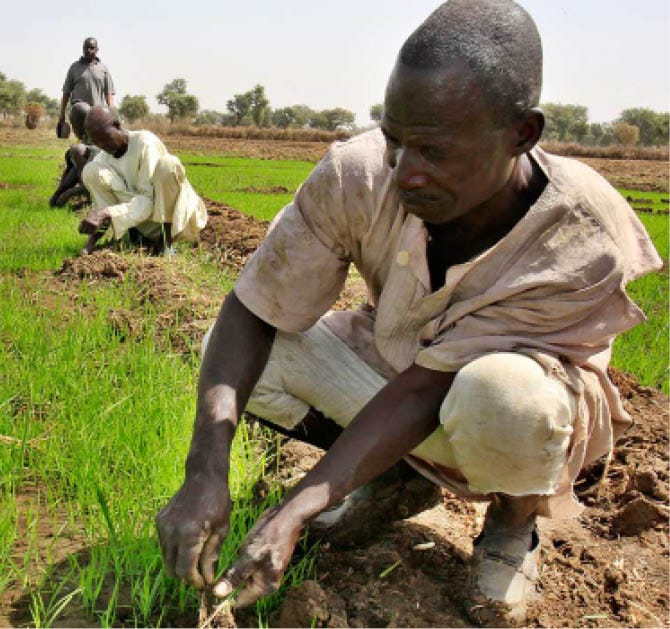
Farmers in Jigawa State, Nigeria, are counting severe losses after fall armyworms destroyed 790 hectares of farmland. This incident underscores the persistent threat of transboundary pests like the fall armyworm, which have established themselves across Africa since their arrival in 2016. While located in West Africa, the scale of damage serves as a warning for Horn of Africa countries where fall armyworm infestations remain a recurring challenge for maize production and food security.
Local view
Local media in Somalia has reported on the distress of farmers in Lower Shabelle region, who have submitted complaints to federal authorities regarding security challenges and agricultural disruptions. While specific recent reports on locust swarms in local Somali-language media were not prominent in the last week, the general sentiment reflects anxiety over both conflict and environmental hazards impacting livelihoods. Community stakeholders continue to call for improved support systems to protect crops from both pests and insecurity.
Context & numbers
- Food Insecurity: Approximately 6 million people in Somalia are acutely food insecure.
- WFP Reach: The WFP is currently reaching only ~10% of the acutely food insecure population (600,000 out of 6 million).
- Funding Gap: WFP requires US$198 million to meet current needs in Somalia.
- Crop Savings: TPHPA saved 1.4 million tonnes of grain in Tanzania through quelea and armyworm control.
On the radar
- September Data Release: FEWS NET is scheduled to resume regular data posting for Somalia and Yemen in September 2026; analysts should watch for the first updated IPC classifications and early warning signals.
- Deyr Season Preparations: As the deyr (short rains) season approaches in October, attention will shift to whether pest populations (locusts and armyworms) will surge in breeding areas, particularly if rainfall is above average.
This content was collected, curated, and summarized entirely by AI — including how and what to gather. It may contain inaccuracies. Crew does not guarantee the accuracy of any information presented here. Always verify facts on your own before acting on them. Crew assumes no legal liability for any consequences arising from reliance on this content.
Powered by
