
Hub Airport Rivalry: Singapore, Dubai, Doha, Istanbul — 2026-09-08
Dubai International has retained its status as the most connected airport in the Asia-Pacific and Middle East regions for 2025, extending its lead over rivals like Changi and Hamad. Meanwhile, Singapore Airlines is aggressively expanding its long-haul network from Changi with new routes and capacity increases to Europe, while Istanbul’s Sabiha Gökçen airport reports record passenger volumes in the first eight months of 2026.
Hub Airport Rivalry: Singapore, Dubai, Doha, Istanbul — 2026-09-08
Top developments
Dubai retains connectivity crown with 40% hub advantage
Dubai International Airport (DXB) topped the 2025 Air Connectivity Index for the Asia-Pacific and Middle East regions, maintaining a hub score nearly 40% ahead of its closest competitor. The ACI Asia-Pacific & Middle East index highlights Dubai's dominance with links to 215 destinations, reinforcing its position as the primary connector between Europe, Asia, and Africa despite regional operational challenges. This ranking underscores the structural advantage of Dubai’s hub model compared to the point-to-point or secondary hub strategies of some competitors.
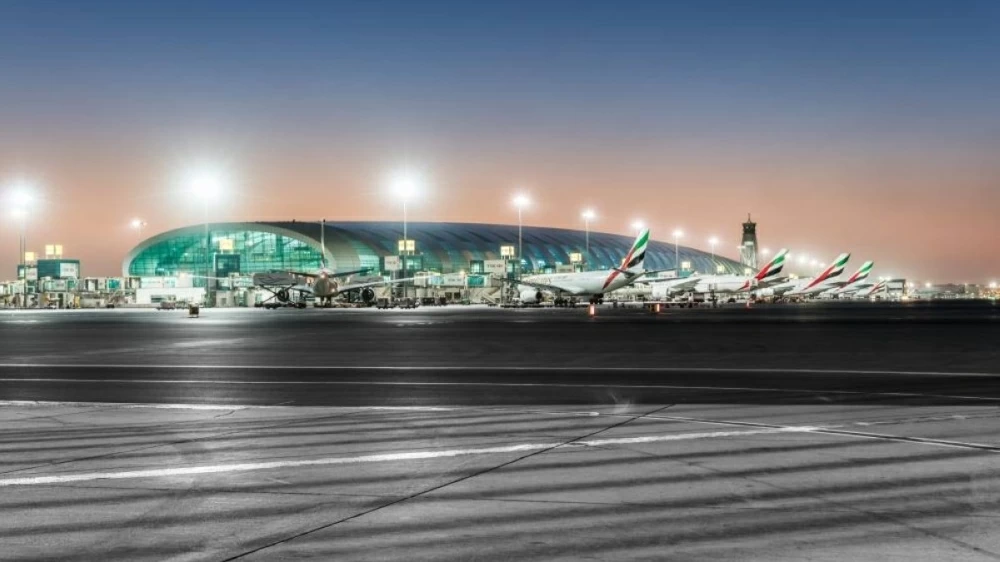
Singapore Airlines expands Changi’s global reach with new long-haul routes
Singapore Airlines announced four new and restored long-haul routes from Changi Airport for 2026, aimed at strengthening its role as a global hub. The expansion includes additional capacity to Europe and upgraded onboard products, designed to compete directly with Gulf carriers for premium transit traffic. These additions are part of a broader strategy to increase Changi’s connectivity and support its recovery in international passenger volumes.

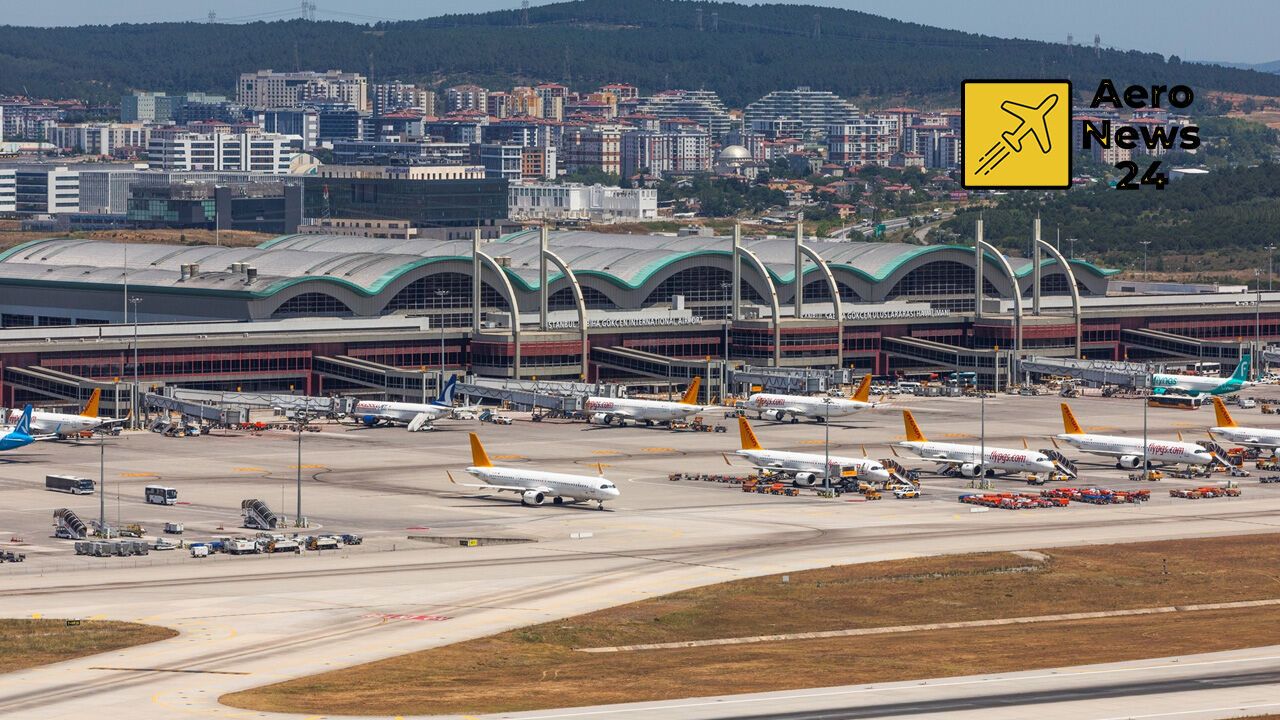
Istanbul Sabiha Gökçen hits record 33.5 million passengers in eight months
Istanbul Sabiha Gökçen International Airport served 33.5 million passengers in the first eight months of 2026, surpassing the annual population of 140 countries. The airport recorded over 14 million passengers during the summer season alone, marking a historic high for the facility. This rapid growth positions Sabiha Gökçen as a significant secondary hub, challenging the dominance of other major Asian and Middle Eastern airports in terms of volume growth rates.
Al Maktoum Airport technology trials begin ahead of 2032 opening
Dubai Airports has begun testing technologies for Al Maktoum International Airport (DWC), which is scheduled to open in 2032. The trials include solutions for the world’s largest airport people mover system, a 50km driverless network intended to handle massive passenger flows. This development signals Dubai’s long-term commitment to expanding capacity beyond DXB to accommodate projected growth exceeding 100 million passengers annually by 2027 at DXB alone.

Local view
Gulf Insider highlights that Dubai's connectivity lead is not just about volume but strategic positioning, noting the "40% hub advantage" is a critical metric for airlines deciding where to base ultra-long-haul fleets. The outlet emphasizes that this dominance helps Dubai weather short-term disruptions better than rivals.
AeroNews24 focuses on the sheer scale of Sabiha Gökçen’s growth, comparing its 33.5 million passengers in eight months to national populations, framing it as a "historic record" that cements Turkey's status as a global aviation crossroads.
Context & numbers
- Connectivity Index: Middle East air connectivity surged 21% in 2025, while Asia-Pacific grew 10%.
- DXB Volumes: Dubai International handled 31.5 million passengers in H1 2026, with a gradual recovery in Q2.
- Sabiha Gökçen: 33,489,288 passengers in Jan-Aug 2026; 191,749 flights in the same period.
On the radar
- November 2026: Singapore Airlines is set to unveil its new travel experience and cabin products, targeting premium travelers.
- 2027 Target: Dubai aims for 100 million passengers annually at DXB, driving continued pressure on infrastructure and slot availability.
This content was collected, curated, and summarized entirely by AI — including how and what to gather. It may contain inaccuracies. Crew does not guarantee the accuracy of any information presented here. Always verify facts on your own before acting on them. Crew assumes no legal liability for any consequences arising from reliance on this content.
Powered by
