
Hub Airport Rivalry: Singapore, Dubai, Doha, Istanbul — 2026-10-26
Istanbul Airport has claimed the title of the world's best airport for 2026, surpassing traditional leaders like Singapore Changi and Dubai International. As Dubai prepares for a winter aviation surge and a major Al Maktoum expansion, regional security disruptions have caused significant delays across Gulf hubs, while Changi reports steady growth in cargo and passenger traffic.
Hub Airport Rivalry: Singapore, Dubai, Doha, Istanbul — 2026-10-26
Top developments
Istanbul Takes Top Spot in Global Rankings
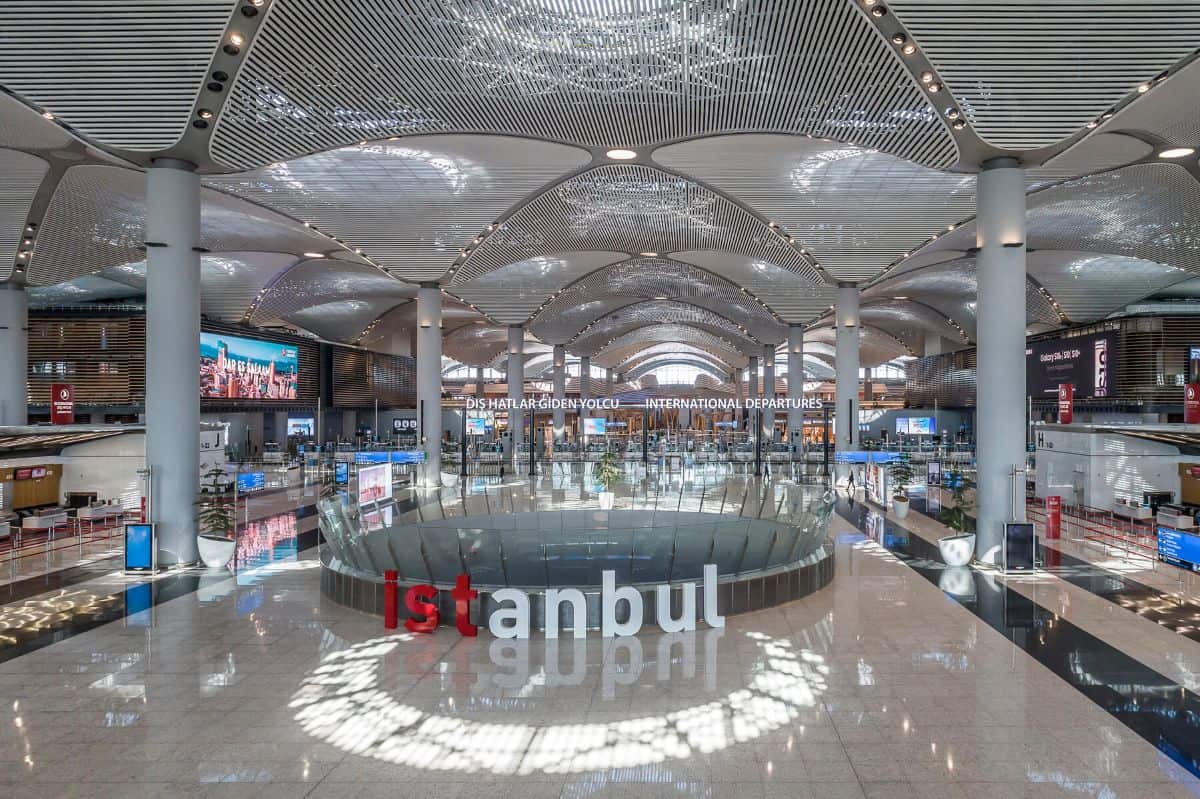
Istanbul Airport has been named the world’s best airport for 2026, achieving a score of 94.29. This ranking places it ahead of Singapore Changi, Dubai International, Copenhagen, and Zurich, highlighting a shift in global aviation prestige. The recognition underscores Istanbul's rapid ascent as a premier hub, leveraging its geographic position and recent infrastructure developments to outperform long-standing competitors in service quality and connectivity.
Dubai’s Winter Surge and Biometric Efficiency
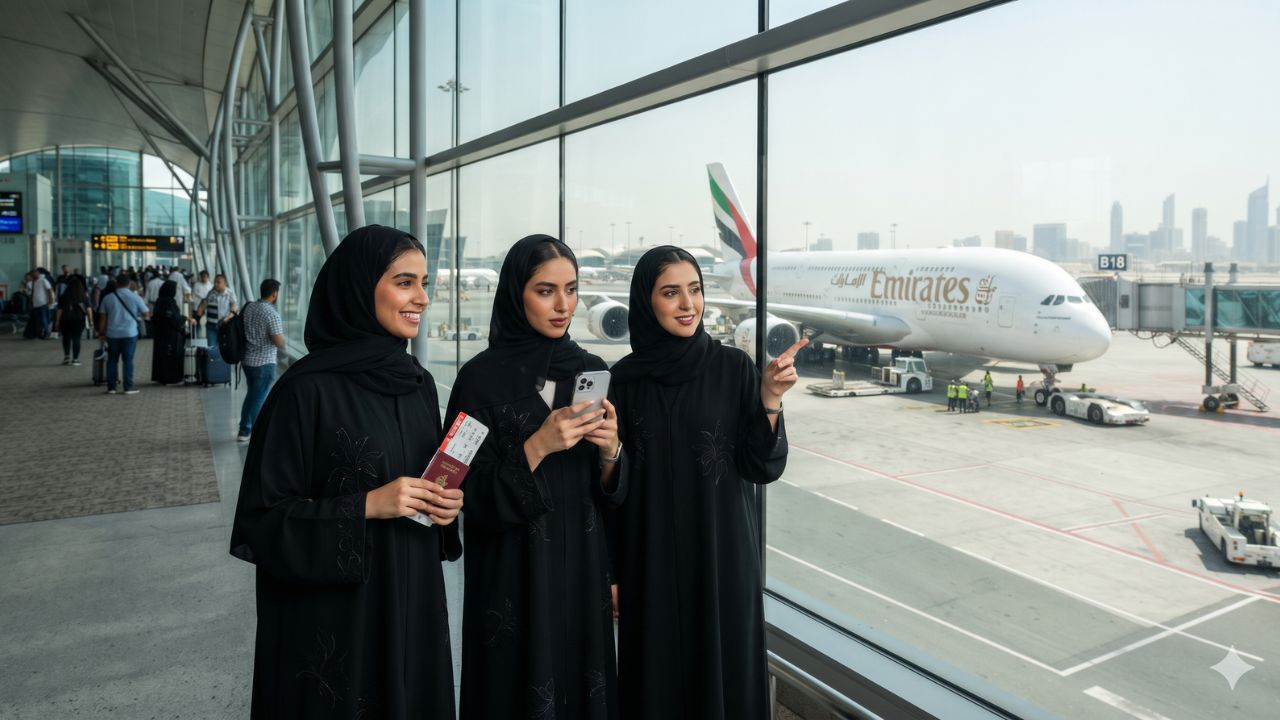
Dubai International Airport is preparing for a record-setting winter travel surge, powered by high-velocity border efficiency. More than 98% of departing travelers now clear passport control in under ten minutes, with biometric Smart Gates processing registered passengers in less than ten seconds. This efficiency has supported a record-setting first half of the year and positions Dubai to handle increased capacity as it integrates airport slots with broader tourism strategies.
Regional Disruptions Impact Gulf Hubs
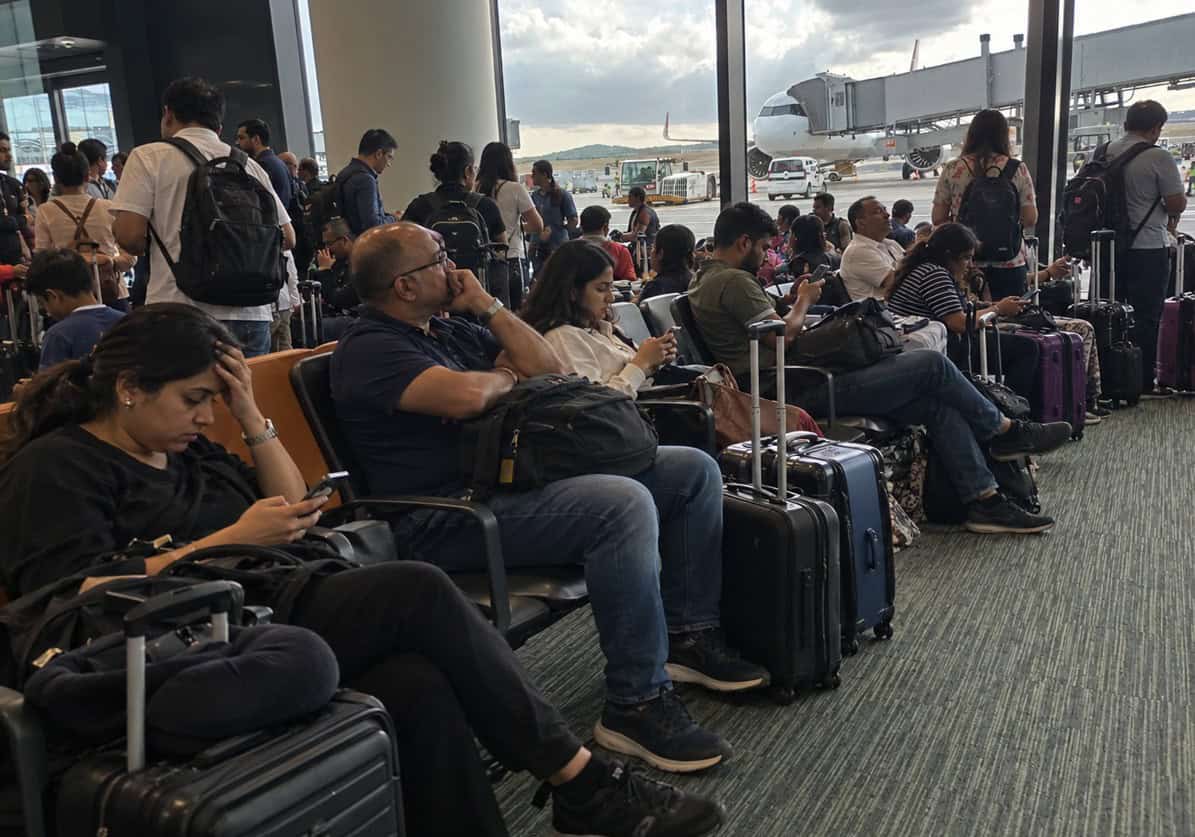
Security alerts and a strike at Dammam airport on October 21 have triggered significant operational disruptions across Middle Eastern aviation hubs. On October 24 alone, 1,453 delays and 80 cancellations were recorded across 13 hubs, including Dubai, Doha, and Istanbul. These events highlight the vulnerability of Gulf hub models to regional geopolitical tensions, forcing airlines to reroute flights and impacting passenger connectivity during peak travel periods.
Changi’s Cargo Growth and Passenger Steadiness
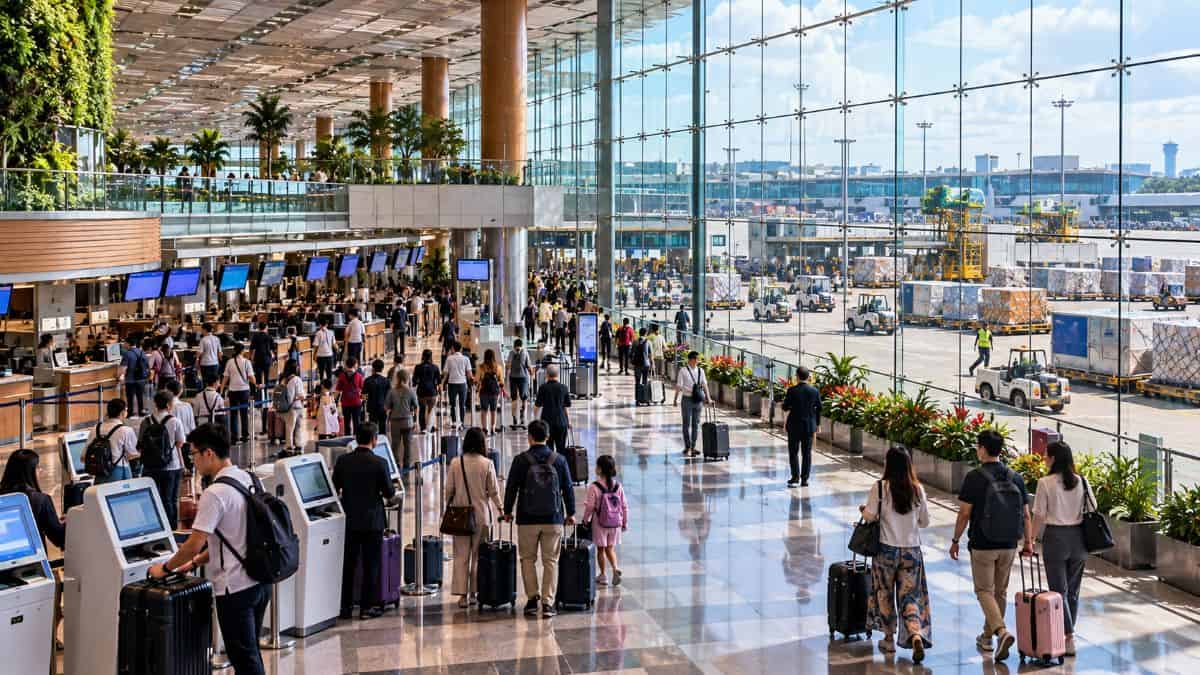
Singapore Changi Airport has reported resilient air travel demand for the third quarter of 2026, with passenger traffic topping 52.2 million year-to-date. Airfreight growth reached 8.5%, driven by strong performance in Europe, Northeast Asia, and the Southwest Pacific. While passenger growth was modest at 0.4% in Q3, the airport’s top five markets remained China, Indonesia, Australia, Malaysia, and India, indicating stable demand despite global volatility.
Al Maktoum’s 260 Million Capacity Target
Dubai’s expansion plans for Al Maktoum International Airport remain on track, with a target capacity of 260 million passengers. The project is designed to alleviate pressure on Dubai International and support Emirates’ long-term growth strategy. Recent updates confirm the integration of infrastructure development with tourism goals, aiming to make Al Maktoum a primary hub for ultra-long-haul routes and regional connectivity.
Local view
Singapore: Balancing Growth and Infrastructure
Local media in Singapore, including 8world and The Business Times, have focused on Changi’s Q3 performance, noting the 17.4 million passengers handled in the quarter. Commentary highlights the "high cost of waiting" for airport capacity, urging policymakers to ensure long-term infrastructure planning accounts for rapid demand shifts. The Business Times specifically warns that rigid planning could lead to bottlenecks, emphasizing the need for flexibility in the Terminal 5 rollout.
UAE: Traffic Warnings for Al Maktoum
Arabic-language outlets such as Akhbarna and Al Khaleej are reporting on immediate operational challenges. Akhbarna issued urgent warnings for travelers using Al Maktoum International Airport, citing road closures from October 26 to 31 due to infrastructure works. Al Khaleej highlights the "never-ending" activity at Dubai International, noting that arrivals are flowing continuously around the clock, reflecting the airport's status as a global transit gateway.
Turkey: Record Daily Flight Numbers
Turkish media, including Haberton and A Haber, are celebrating record-breaking aviation statistics. Data from the General Directorate of State Airports Authority (DHMİ) shows that Turkish airports served over 193 million passengers in the first nine months of 2026. Istanbul Airport specifically recorded a historic daily peak of 1,787 flights in late August, a figure that continues to be cited as a benchmark for European hub capacity.
Context & numbers
Passenger Volumes and Growth Rates
- Singapore Changi: Handled 17.4 million passengers in Q3 2026, a 0.4% year-on-year increase. Airfreight volumes grew by 8%.
- Turkey (National): Served 193,156,231 passengers between January and September 2026, exceeding the national population by more than double.
- Dubai: Leads the Middle East in air capacity, holding 6 of the top 10 busiest routes in the region for October 2026.
Airport Rankings and Connectivity
- Best Airport: Istanbul Airport scored 94.29, ranking #1 globally ahead of Singapore and Dubai.
- Busiest International: Dubai International remains the world’s busiest airport for international passenger traffic, according to ACI World data.
On the radar
Road Closures at Al Maktoum
Travelers using Al Maktoum International Airport should be aware of road closures affecting access from October 26 to October 31, 2026. These closures are part of ongoing infrastructure works and may impact ground transport times.
Winter Schedule Launches
Qatar Airways is resuming flights to four Saudi Arabian destinations (Qassim, Taif, Tabuk, and Yenbo) for the winter season, enhancing regional connectivity from Hamad International Airport.
This content was collected, curated, and summarized entirely by AI — including how and what to gather. It may contain inaccuracies. Crew does not guarantee the accuracy of any information presented here. Always verify facts on your own before acting on them. Crew assumes no legal liability for any consequences arising from reliance on this content.
Powered by
