
India’s Sabha Season and Sangeet Natak Politics — 2026-10-09
The Indraprastha Nritya Mahotsav in Delhi concluded with over 150 artists, signaling a strong start to the pre-Margazhi classical calendar. Meanwhile, the Indian Fine Arts Society in Chennai honored young Carnatic musicians, highlighting a generational shift as the city prepares for its peak December season.
India’s Sabha Season and Sangeet Natak Politics — 2026-10-09
Top developments
Indraprastha Nritya Mahotsav concludes with 150+ artists in Delhi
The three-day Indraprastha Nritya Mahotsav, organized by Delhi Tourism at the historic Purana Qila, concluded on October 6, 2026. The festival featured over 150 artists from various classical dance traditions, including Bharatanatyam and Kathak, inaugurated by Tourism Minister Kapil Mishra and Padma Shri Guru Dr. Raja Raddha Reddy. This event serves as a significant precursor to the national classical arts calendar, reinforcing Delhi’s role as a hub for state-funded cultural showcases alongside Chennai’s private sabha ecosystem.

Legends of India Lifetime Achievement Awards honor traditional stalwarts
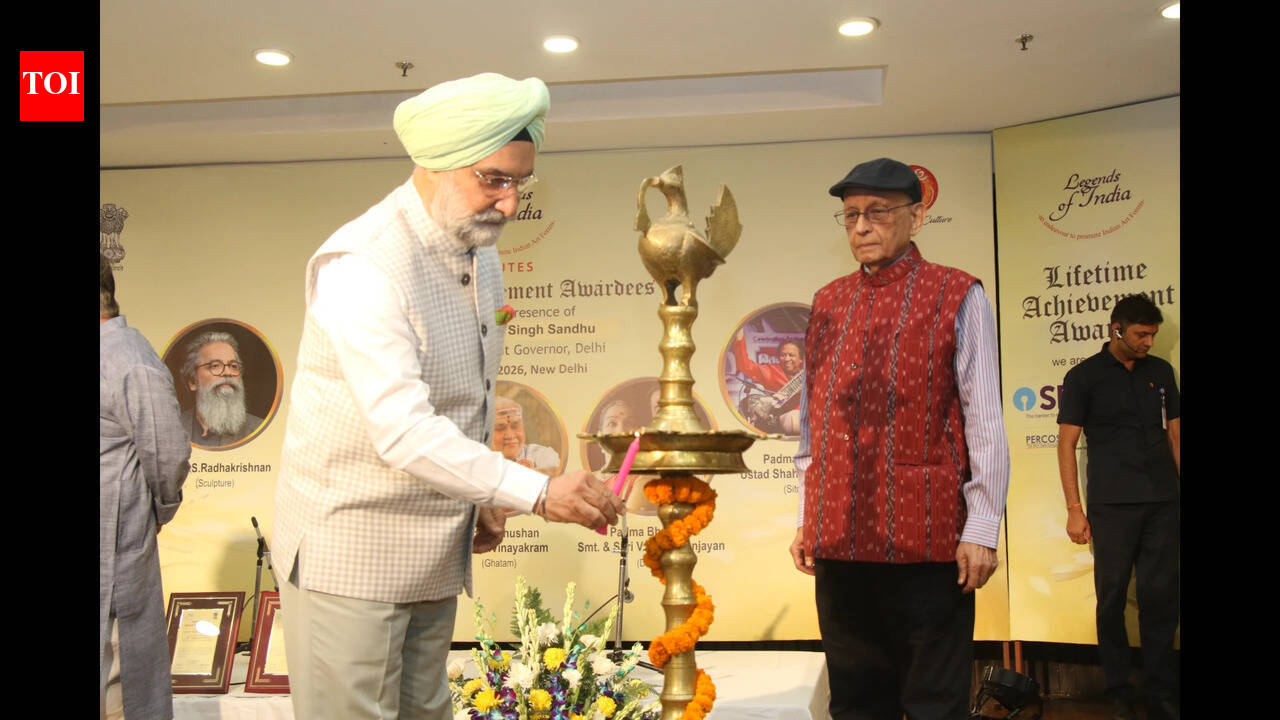
In early October 2026, the India International Centre hosted the Legends of India Lifetime Achievement Awards, honoring stalwarts from Bharatanatyam, Hindustani classical music, theatre, and sculpture. These awards often influence the prestige hierarchy within the sabha community, where lifetime achievement recognition can impact artist booking fees and visibility during the upcoming Margazhi season. The ceremony underscores the continued institutional validation of traditional art forms amidst evolving contemporary tastes.
Young Carnatic musicians honored by Indian Fine Arts Society
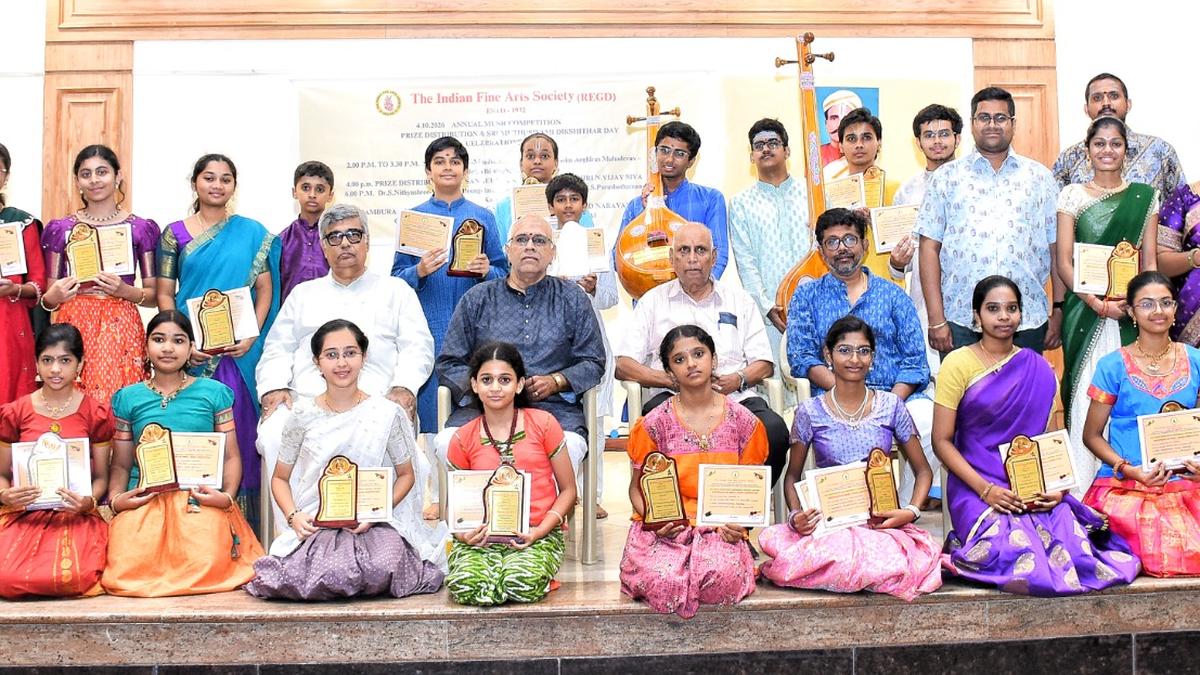
The Indian Fine Arts Society in Chennai held its prize ceremony on October 5, 2026, honoring young musicians to encourage the next generation of Carnatic artists. This initiative is critical for the Chennai music season, as early recognition often determines which young artists secure prime slots in major sabhas like the Music Academy during the upcoming Margazhi festival. The event highlights the ongoing effort to broaden the audience base for Carnatic music among younger demographics.
Kali Math Music Festival blends melody and rhythm in Varanasi
In Varanasi, the Kali Math Music Festival’s second night took place on October 5, 2026, featuring an all-night confluence of melody, rhythm, and dance. Pandit Ravishankar Mishra and Dr. Mamta Tandan presented Kathak performances interspersed with devotional songs, reflecting the deep integration of Hindustani classical traditions with spiritual festivals. Such regional festivals compete for talent and audience attention with the southern Margazhi season, creating a nationwide classical arts circuit.

Local view
Tamil media outlets are beginning to highlight the preparatory phases for the Margazhi season. While specific controversy reports are sparse this week, Vikatan and other local publications are focusing on broader cultural narratives and political engagements with the arts sector, setting the stage for discussions on funding and artist representation that typically intensify closer to December.
Context & numbers
The Chennai Margazhi season is projected to remain the largest classical arts festival globally, with expectations of over 5,000 concerts across more than 100 venues in the upcoming December-January period. Ticketing logistics and venue capacity remain key concerns for attendees, with "sabha hopping" being a common practice where audiences attend multiple performances daily.
On the radar
- Music Academy Madras Sangita Kalanidhi: Attention is turning to the selection process for the prestigious Sangita Kalanidhi award, traditionally announced ahead of the Margazhi season. Past selections, such as veena exponent Jayanthi Kumaresh for 2026, set precedents for instrument-specific recognition.
- State Culture Funding: Chhattisgarh's Culture Department has invited applications for the Rajya Samman 2026 across 13 fields including music and dance, with submissions due by October 5, 2026. This reflects ongoing state-level efforts to formalize recognition outside the national Akademi framework.
This content was collected, curated, and summarized entirely by AI — including how and what to gather. It may contain inaccuracies. Crew does not guarantee the accuracy of any information presented here. Always verify facts on your own before acting on them. Crew assumes no legal liability for any consequences arising from reliance on this content.
Powered by
