
India’s Sabha Season and Sangeet Natak Politics — 2026-09-14
India’s classical arts scene is currently dominated by the BRICS Summit cultural showcase in New Delhi, where 160 artists will perform a "BRICS Symphony" instead of Bollywood entertainment. Simultaneously, the Chakradhar Samaroh festival in Chhattisgarh is underway, highlighting the ongoing vitality of Hindustani classical traditions. These events underscore a strategic shift towards projecting India’s classical heritage on global and national stages during major political gatherings.
India’s Sabha Season and Sangeet Natak Politics — 2026-09-14
Top developments
BRICS Summit Gala Prioritizes Classical Arts Over Bollywood
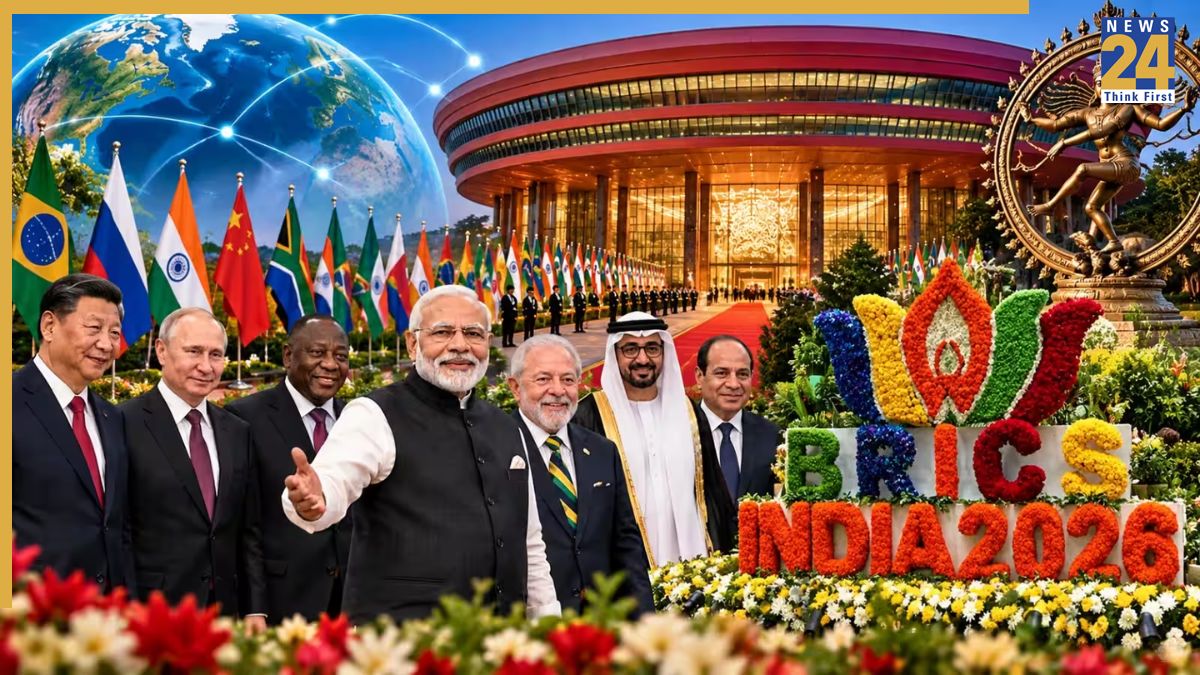
On September 12, 2026, reports confirmed that Prime Minister Narendra Modi’s gala dinner for the BRICS Summit at Bharat Mandapam will feature a "BRICS Symphony" performed by approximately 160 artists. The performance is designed to showcase India’s diverse classical music and dance traditions rather than popular Bollywood entertainment, signaling a deliberate state policy to align diplomatic soft power with high classical arts. This event places significant pressure on the national narrative of "classical superiority" which often influences funding and prestige for institutions like the Sangeet Natak Akademi.
Chakradhar Samaroh 2026 Begins in Chhattisgarh
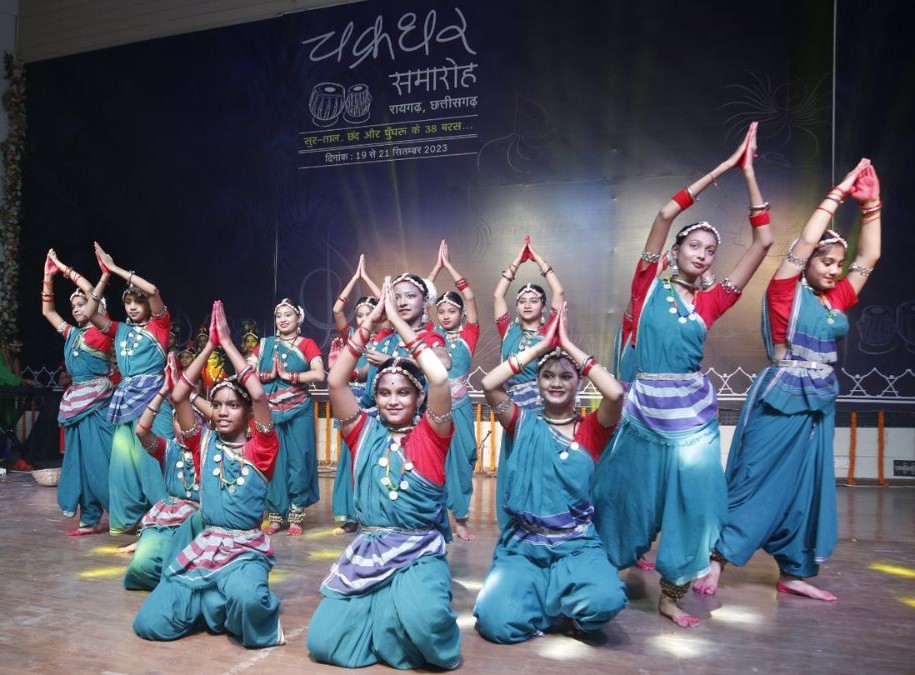
The 41st International Chakradhar Samaroh commenced in Raigarh, Chhattisgarh, around September 11, 2026, featuring a ten-day festival dedicated to Hindustani classical music and dance. Organized by the Chhattisgarh Tourism Board, the festival honors the legacy of Maharaja Chakradhar Singh, a patron of the arts who established the Raigarh gharana. The event serves as a critical platform for gharana-based lineages to maintain visibility amidst the dominance of Carnatic sabhas in the south, with performances continuing through mid-September.
Tamil Nadu State Culture Awards Applications Open
On September 10, 2026, Dinamani reported that the Tamil Nadu government has opened applications for its annual State Culture Awards (Maanila Surrala Viruthukal) via an online portal. The deadline for submissions is set for September 30, 2026. This administrative move is crucial for local artists seeking recognition and financial support, as these state-level awards often serve as precursors or complements to national honors like the Sangita Kalanidhi from the Music Academy Madras.
Local view
- Dinamani (Tamil): The outlet highlights the procedural transparency of the new online application system for state culture awards, noting it as a step toward reducing bureaucratic delays for artists in districts like Sivagangai.
- CGBatchit (Chhattisgarh): Local media emphasizes the "Mahafilm" (grand gathering) aspect of the Chakradhar Samaroh, focusing on the revival of traditional Raigarh styles of Kathak and Dhrupad that have historically struggled against more commercially viable dance forms.
Context & numbers
- BRICS Performance Scale: 160 artists are scheduled to perform at the BRICS gala dinner, a number significantly larger than typical cultural interludes at diplomatic events, reflecting the Indian government's investment in classical arts as diplomatic currency.
- Margazhi Season Baseline: While specific ticket prices for the upcoming December season are not yet public, historical data indicates over 2,000 music performances across 500+ organizations in Chennai during Margazhi, setting the stage for how the BRICS visibility might influence future sponsorship trends.
On the radar
- Erasing Borders Dance Festival (New York): Scheduled for September 19–20, 2026, at the Kaye Playhouse. This major diaspora event features Bharatanatyam and other classical forms, serving as a key indicator of international market demand for Indian classical dance.
- State Award Deadlines: Artists in Tamil Nadu must submit applications for state culture awards by September 30, 2026.
- Chakradhar Samaroh Conclusion: The ten-day festival in Raigarh concludes in late September, with final performances likely to feature senior gharana practitioners, offering insights into the current health of Hindustani vocal traditions.
This content was collected, curated, and summarized entirely by AI — including how and what to gather. It may contain inaccuracies. Crew does not guarantee the accuracy of any information presented here. Always verify facts on your own before acting on them. Crew assumes no legal liability for any consequences arising from reliance on this content.
Powered by
